Top Dolphin Experiences in Hawi, Hawaii
Hawi Dolphin Guide

Top Dolphin Experiences in Hawi, Hawaii

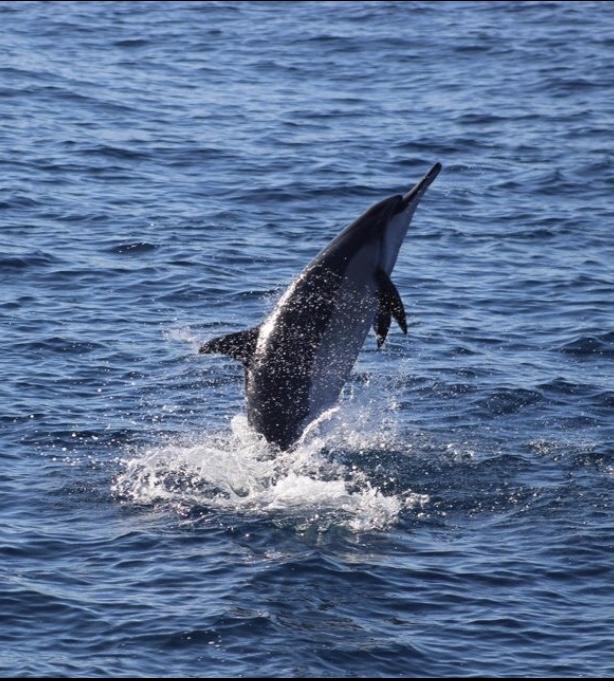
Where the iron-rich cliffs of North Kohala taper into wide ocean, Hawi serves as a compact gateway to playful, fast-moving dolphin pods. Spinner dolphins, common dolphins, and occasional bottlenose visitors carve arcs through the blue just offshore—accessible by short charters, guided snorkel tours, or experienced kayakers willing to venture into cleaner pelagic water. This guide focuses on how to encounter dolphins responsibly from Hawi: when to go, what to expect in sea state and behavior, and how to plan an outing that respects local marine life and cultural values.

Kohala CoastHawi HarborOpen Pacific Pelagic Waters

Live destination inventory

Top Dolphin Trips in Hawi

7 trips · Book with confidence · Instant confirmation

The prototype intentionally does not invent replacement trip cards or add images that are not already part of the live source page.

The city from the water

Why Hawi Is a Standout Dolphin Destination

Hawi sits at the northern edge of Kohala, a place where trade winds sculpt chaparral and lava outcrops, and the sea drops away into deep blue corridors. Those same deep-water channels make the waters off Hawi unusually rich in pelagic life for a small fishing town: baitfish swell on tidal seams and island-wash currents funnel food along predictable lanes. Dolphins—chiefly spinner dolphins in pods that number from dozens to hundreds—use these lanes like highways. They ride eddies and upwellings that flush nutrients toward the surface, and from late spring through early fall, their acrobatics are staggeringly frequent. For the visitor, that means short transit times from shore to action; many charters leave within an hour and find playful pods in less than two hours, depending on swell and wind. Beyond sheer proximity, Hawi offers an unusually intimate cultural context for marine encounters. The older, wind-honed coastal communities of North Kohala have a living relationship with the sea: traditional knowledge—about currents, seasonal bait runs, and safe approach lines—persists alongside modern eco-tourism. Guides here tend to be local and experienced, and you'll find a practical reverence that encourages viewing without intrusion. That’s important: Hawaiʻi’s marine mammals are protected under federal law, and local practice often adds stricter expectations about distance, noise, and touching. Responsible operators frame dolphin encounters as shared moments rather than commercial photo ops; they emphasize observation, quiet approaches, and letting animals choose engagement. Ecologically, Hawi’s value lies in its mix of nearshore reef and immediate deep water. That gradient supports both reef-associated species—useful for combined snorkeling trips—and pelagic species that move through quickly, including spinner dolphins, pantropical spotted dolphins, and sometimes larger visitors like false killer whales or transient bottlenose groups. Sea state matters: the north shore can be glassy at dawn with crosswinds rising late morning. Water clarity is typically best in calmer months, which also happen to be when dolphins aggregate near the surface for socializing and bow-riding. For photographers and wildlife enthusiasts, Hawi offers a compact, accessible stage: short boat runs, predictable pod behaviors, and the chance to combine a dolphin outing with shoreline hikes, cultural stops in town, and reef snorkels in calmer coves when conditions permit.

Short charters from nearby launch points reduce transit time to pelagic lanes compared with larger island harbors.

Local guides blend traditional knowledge of currents and bait fish with modern conservation practice.

The harbor is the gateway, and the Pacific becomes the classroom.

Dolphin activity is visible year-round, with behavioral peaks in warmer months and smoother seas.

Hawi can be a launch point for combined experiences: dolphin watching, reef snorkeling, and coastal photography.
Activity focus

Choose by purpose

Whale watching, snorkeling, sunset sailing, cultural canoeing, harbor sightseeing, or private chartering.

Departure hubs

Start near the city

Waikiki and Honolulu Harbor are primary hubs, with some trips launching near Hanauma Bay.

Accessibility

Confirm the vessel

Gangways, shaded seating, and boarding requirements vary according to vessel size and operator.

Seasonal planning

Best Time to Visit

Hawi is warm year-round, but wind, swell, migration, visibility, and demand change the best match between traveler and trip.

Hawi boat tour
Year-round destination

Seasonal highlights change the reason to go

Winter favors humpback encounters; warmer, calmer months favor snorkeling visibility and smoother water.

Humpback season

Summer through early fall is the busiest and most consistent period for dolphin activity and calm conditions.

Prime whale watching, winter holidays, higher demand, and earlier sell-outs.

Snorkeling window

May–June–July–August–September–October

Typically gentler seas and clearer water for snorkeling trips.

Weather notes

Trade winds year-round

Mornings are often the calmest—trade winds tend to pick up by late morning. Summer months bring warmer surface temperatures and clearer water, while winter can create larger swell and windier days on the north shore.

Quieter opportunities

Late spring & summer weekdays

Winter months can still produce sightings, and reduced visitor numbers mean quieter, more private outings—expect rougher seas and more frequent cancellations.

Match the trip to your comfort

Choose Your Experience Level

Low effort

Beginner

Short, guided boat tours with minimal sea time and large pods ideal for casual observers and families.

  • Two-hour dolphin watch with coastal narration
  • Half-day morning cruise focused on sightings and photography
  • Shore-based spotting from promontories when seas are rough
Active day trip

Intermediate

Full-morning or half-day outings that may include snorkeling, closer approaches, and moderate sea conditions.

  • Half-day snorkel + dolphin encounter combo
  • Kayak trips for experienced paddlers (calm days only)
  • Small-group photography charter
Longer or technical

Advanced

Longer pelagic expeditions, dedicated photo/videography charters, or DIY offshore paddles that require experience with open ocean navigation and conditions.

  • All-day pelagic charter searching for large pods and other pelagic species
  • Technical freediving sessions with experienced guides
  • Research or photo expeditions requiring advanced planning and permits

Prepare for sun, spray, and swell

What to Bring

Essential

Core kit

  • Reef-safe sunscreen (broad-spectrum SPF 30+)
  • Light waterproof jacket for wind and spray
  • Waterproof camera or housing with lanyard
  • Personal flotation device (PFD) if you plan to kayak or free-swim
  • Quick-dry clothing and a hat with chin strap
Recommended

Useful extras

  • Snorkel mask (well fitted) and low-volume snorkel
  • Sea-sickness prevention if prone to motion sickness
  • Reusable water bottle and snack bars
  • Small dry bag for phone and documents
  • Polarized sunglasses for spotting at distance
Optional

Trip-specific

  • Light wetsuit (3/2mm) for longer snorkels or cooler mornings
  • Telephoto lens or zoom for on-deck photography
  • Binoculars for distant pod detection
Respect the animals and local customs—let dolphins set the terms of engagement; avoid noise and sudden movements.

Insider Tips & Local Knowledge

Reserve whale-watching and popular sunset cruises well ahead during December–April.
Choose morning snorkeling departures for calmer seas and better underwater visibility.
For motion sensitivity, choose a larger vessel, sit mid-ship, and take preventative medication before boarding.
Do not touch coral or wildlife, avoid standing on reefs, and use reef-safe sunscreen.
Community-based operators may add context about traditional navigation and stewardship.
Arrive early for parking and check-in because Waikiki departure areas can be busy.

Planning questions

Frequently Asked Questions

Some operators offer guided swim-with options, but regulations prohibit chasing, harassing, or attempting to touch dolphins. Ethical tours follow a no-contact policy and allow animals to approach if they choose.
Top Dolphin Experiences in Hawi, Hawaii
Ready for your dolphin adventure?

Browse 7 verified trips in Hawi.

Compare current availability and book with instant confirmation.

Explore Hawi dolphin