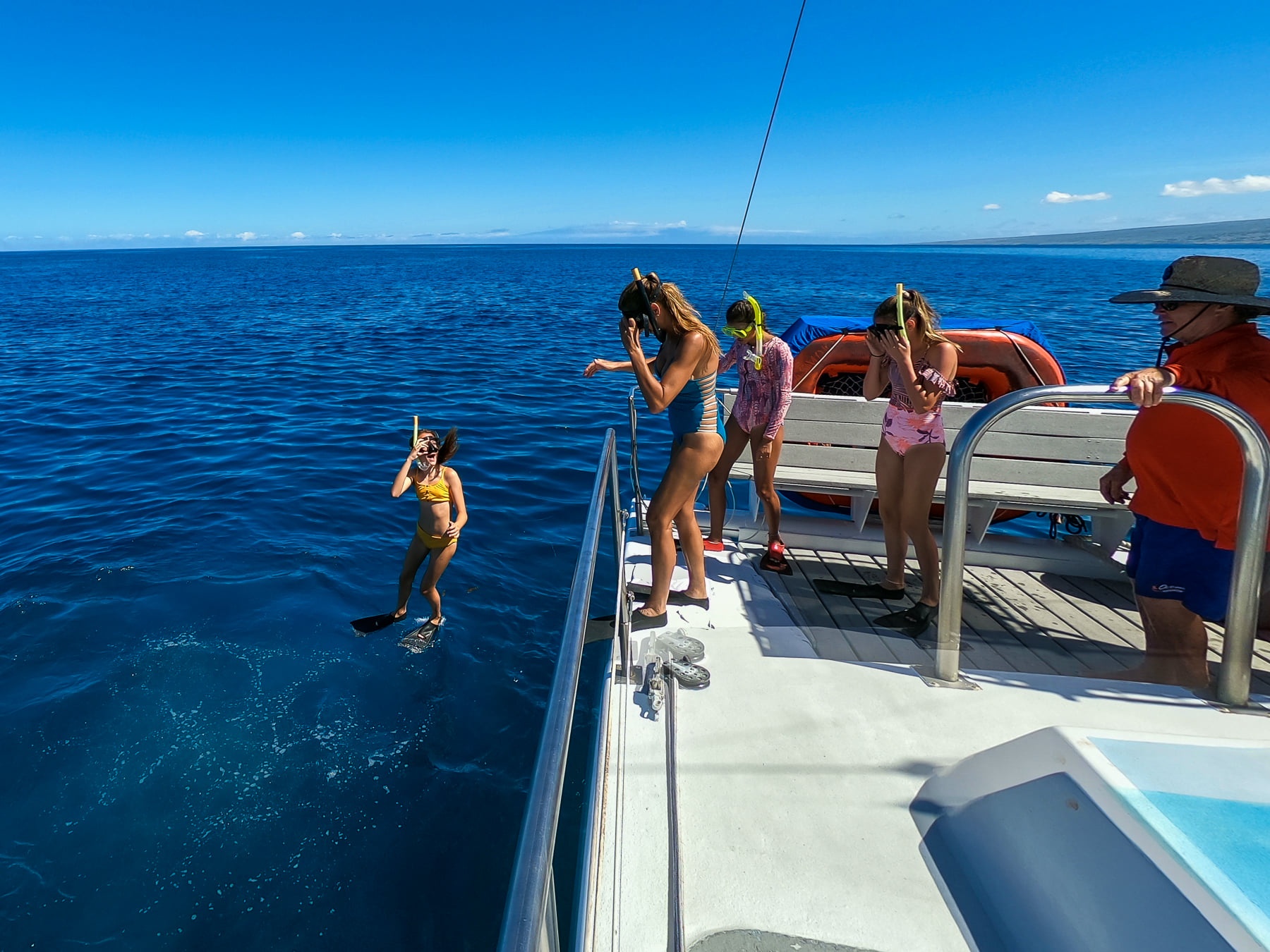
Why Hawi Works as a Snorkel Base
Hawi is at once a small town of galleries, local markets, and wind-bent trees and a strategic base for exploring the Kohala Coast’s more sheltered snorkeling pockets. The town’s charm—old plantation-era buildings, a tight-knit community, and a slower pace of life—makes it an appealing launch point for days spent chasing glassy, fish-filled coves along the island’s leeward shoulders. Snorkeling from Hawi is less about a single iconic beach and more about options: short drives to protected bays, morning launches when the water is calmest, and guided excursions that thread into coastal reefs otherwise difficult to reach from the road.
Hawi sits on the island’s windward-north edge, so local conditions are shaped by trade winds and seasonal north swells. That dynamic means mornings are often the best window for clear conditions; by midday the trade winds can pick up, stirring the surface and pushing plankton and silt that reduce visibility. But on the lee side—down the Kohala Coast toward Puako, Mahukona, and Kawaihae—there are pockets where coral gardens and lava-formed reefs create natural protection. These sites support healthy reef fish populations and frequent honu (green sea turtles) visits. The volcanic geology also yields interesting shore-entry sites, with jagged lava formations that create tide pools and channels where life concentrates.
Culturally and historically, the coast around Hawi is layered. Ancient fishponds, old kahua (settlement sites), and historic harbors punctuate the shoreline; while most snorkelers focus on marine life, a short hike or stop at a cultural site can transform a simple swim into a fuller place-based day. Conservation matters here: the reef ecosystems are fragile, and local stewardship efforts emphasize reef-safe sunscreen, no-touch policies, and awareness of seasonal closures for turtle nesting and reef recovery. Choosing a small-group guide not only opens access to quieter coves but also supports local knowledge and protection efforts.
Practically, a snorkel trip from Hawi is a rhythm of early coffee, a short coastal drive, a careful gear check, and a mindful entry. Conditions vary by beach: some spots are sandy and straightforward for beginners, others demand careful navigation around rocks and currents that can run along points. For travelers who prize quiet mornings, cultural context, and a suite of nearby snorkeling options rather than a single beach, Hawi provides a thoughtful base — one that pairs well with coastal hikes, kayak outings, and evenings spent sampling local cuisine and storytelling.
Mornings are prime: calm water and best visibility often arrive before onshore winds develop. Plan shore entries early and pack for midday wind shifts.
Local guides add value: they know micro-conditions, tide windows, and where to find sheltered coral gardens and turtle feeding zones.
Respect for reef ecology is central—use reef-safe sunscreen, keep distance from resting turtles, and never stand on coral. Many local operators brief visitors on low-impact snorkeling practices.