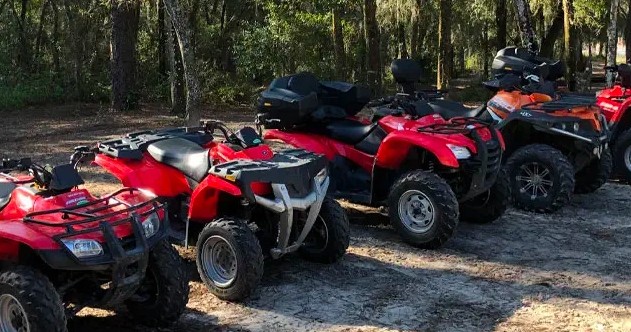
Riding around Hernando Beach feels like a study in contrasts: the salt flats and shallow estuaries of the Gulf sit a short drive from ribbon-like trails that thread pine forests and scrub. For off-road enthusiasts who favor low-country landscapes, this is a place to ride with bagged dunes underfoot one minute and mud-splattered sandy loops the next. The terrain tends to be forgiving—minimal elevation and wide sightlines—but that same simplicity hides variables that demand respect: tidal flats, spongey sand that can trap tires, and seasonal wetlands that expand after storm systems.
Culturally, Hernando Beach is quietly rooted in coastal trades—fishing, boating, and outdoor recreation. That local rhythm means your ride days pair well with a morning of river kayaking or an afternoon fishing the shallow Gulf. The region’s history, from indigenous shell middens to 20th-century coastal hamlets, is easiest to appreciate at the pace of a late-afternoon trail run when light softens the pines. Environmentally, the area is ecologically sensitive; many coastal parcels are habitat for shorebirds and mangrove systems. Responsible riders follow designated routes, avoid dunes and marsh edges, and use established staging areas.
From a planning standpoint, Hernando Beach is best thought of as a gateway rather than a single destination for off-roading. You’ll base in town, source fuel and supplies, and commute a short distance to authorized riding zones, club trails, or private parks. That makes logistics straightforward but elevates the importance of pre-ride checks: verify trail permissions, confirm tide and weather forecasts when close to shore, and coordinate with rental or guide operators if you’re unfamiliar with Florida sand dynamics. For riders who come prepared—proper tires, recovery gear, and a clear respect for seasonal closures—the Hernando Beach corridor offers quiet roads, scenic shallow-water views, and a coastal riding rhythm that’s both accessible for newcomers and rewarding for seasoned UTV pilots.
The flatter coastal terrain favors technical sand handling and mud play rather than sustained climbs—expect traction work, sand-line strategy, and frequent gear checks.
Pair off-road days with the area’s other low-country activities: inshore fishing, shelling, and paddleboarding are natural complements and allow you to rotate between dusty and damp pursuits.
The harbor is the gateway, and the Pacific becomes the classroom.
Because habitat sensitivity is high, many of the most scenic coastal zones are off-limits to motor vehicles; always use designated trails and private off-road parks where available.
Choose by purpose
Whale watching, snorkeling, sunset sailing, cultural canoeing, harbor sightseeing, or private chartering.
Start near the city
Waikiki and Honolulu Harbor are primary hubs, with some trips launching near Hanauma Bay.
Confirm the vessel
Gangways, shaded seating, and boarding requirements vary according to vessel size and operator.