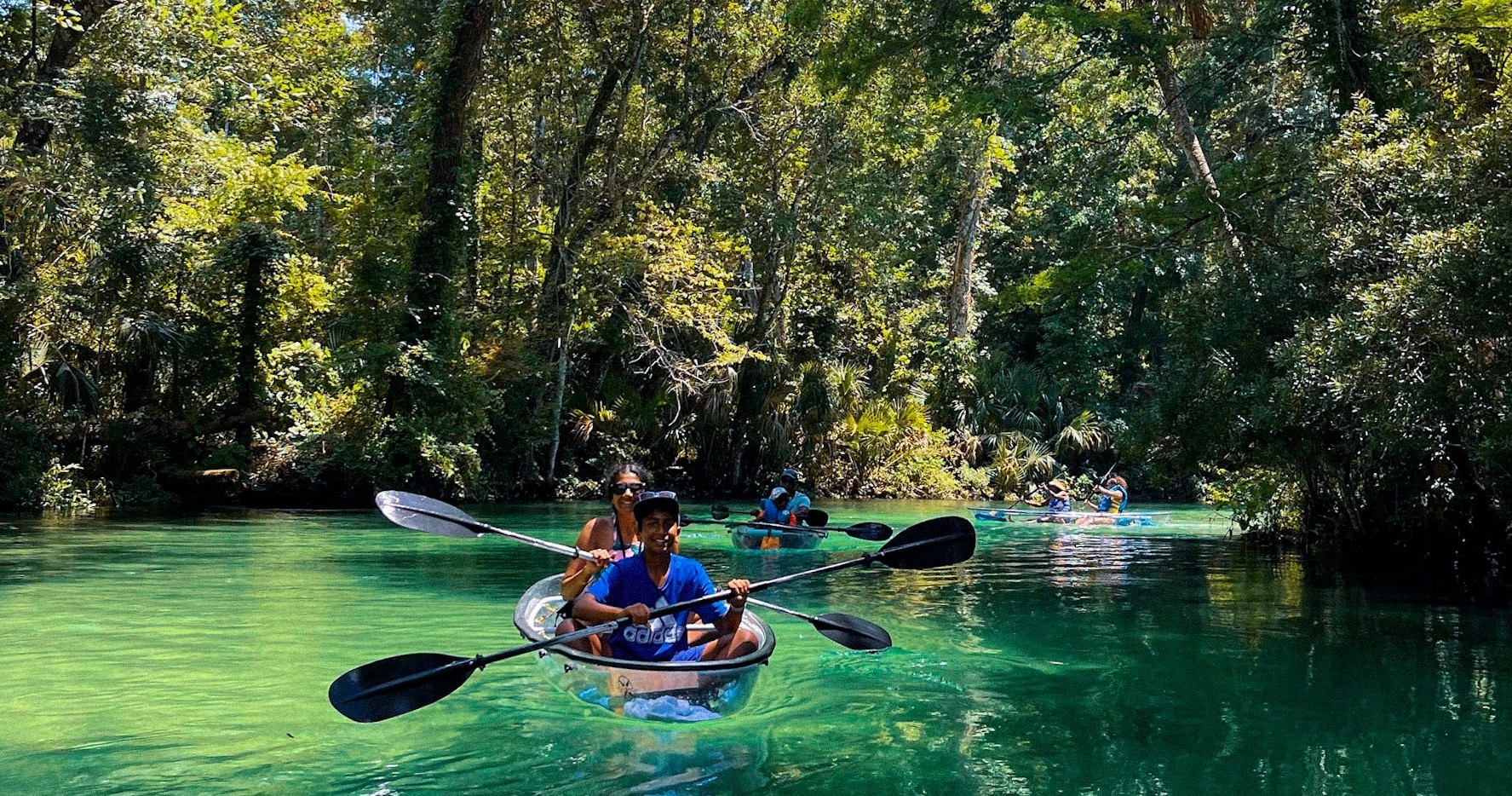
Hernando Beach sits where shallow Gulf waters and freshwater inputs meet to create a mosaic of habitats that are both fragile and astonishingly productive. The shoreline here is not the dramatic cliffline of some coasts; instead it’s a series of low marshes, mangrove fringes, and seagrass flats that feel enormous up close. On an eco tour you quickly learn to read the subtle signs—schools of juvenile fish flickering under a seagrass mat, the ripple where a ray rises, the shadow of a heron stalking the mud. Guides use these quiet moments to teach a different kind of geography: one defined by tidal creeks, nursery grounds, and the ebb-and-flow of seasonal migrations rather than summits and ridgelines.
Because the water is shallow and the wildlife is accustomed to small craft, Hernando Beach delivers near-constant opportunities for intimate encounters. Kayak and paddleboard tours thread into maze-like mangrove channels that open onto sun-baked flats where manatees graze and dolphins hunt the edges. Birding is a throughline on almost every trip—oystercatchers, green herons, limpkin, and migratory warblers all rely on the same intertidal systems. The region’s proximity to freshwater springs and the Weeki Wachee River means eco tours can be layered: a morning boat trip through the harbor followed by an afternoon swim or glass-bottom boat ride in a spring-fed run offers a fuller picture of how freshwater and saltwater systems interconnect.
Equally important to the experience is the human dimension. Local outfitters and environmental organizations in Hernando Beach emphasize stewardship; tours are often framed as low-impact, educational outings that support conservation projects—seagrass monitoring, mangrove plantings, or species counts. That makes a visit feel participatory rather than merely observational. Travelers leave with clear, actionable context: why seagrass matters to fisheries, how mangrove roots buffer storm surge, and what simple behaviors reduce stress on wildlife. This mixture of sensory immersion, scientific explanation, and hands-on conservation is what sets Hernando Beach eco tours apart.
Finally, accessibility is a practical advantage. The calm, protected nature of the nearshore waters makes eco tours approachable for a wide range of people—families, novice paddlers, and older travelers—while offering depth for enthusiasts: night tours that highlight estuarine food webs, longer boat trips that follow dolphin pods, or combined tours that include snorkeling over shallow seagrass. Whether you come to photograph birds at first light or to learn about coastal restoration, Hernando Beach packages the Gulf’s essential stories into small, unforgettable outings.
Tours focus on estuarine habitats: mangroves, seagrass beds, tidal creeks, and nearshore flats—each with distinct wildlife and conservation value.
Local operators often partner with researchers and NGOs, creating opportunities for citizen-science and habitat stewardship.
The harbor is the gateway, and the Pacific becomes the classroom.
Because waters are protected and shallow, many eco tours are beginner-friendly but can be tailored for advanced naturalists seeking specialized observation.
Choose by purpose
Whale watching, snorkeling, sunset sailing, cultural canoeing, harbor sightseeing, or private chartering.
Start near the city
Waikiki and Honolulu Harbor are primary hubs, with some trips launching near Hanauma Bay.
Confirm the vessel
Gangways, shaded seating, and boarding requirements vary according to vessel size and operator.