Why Hilo Is a Standout Bus Tour Destination
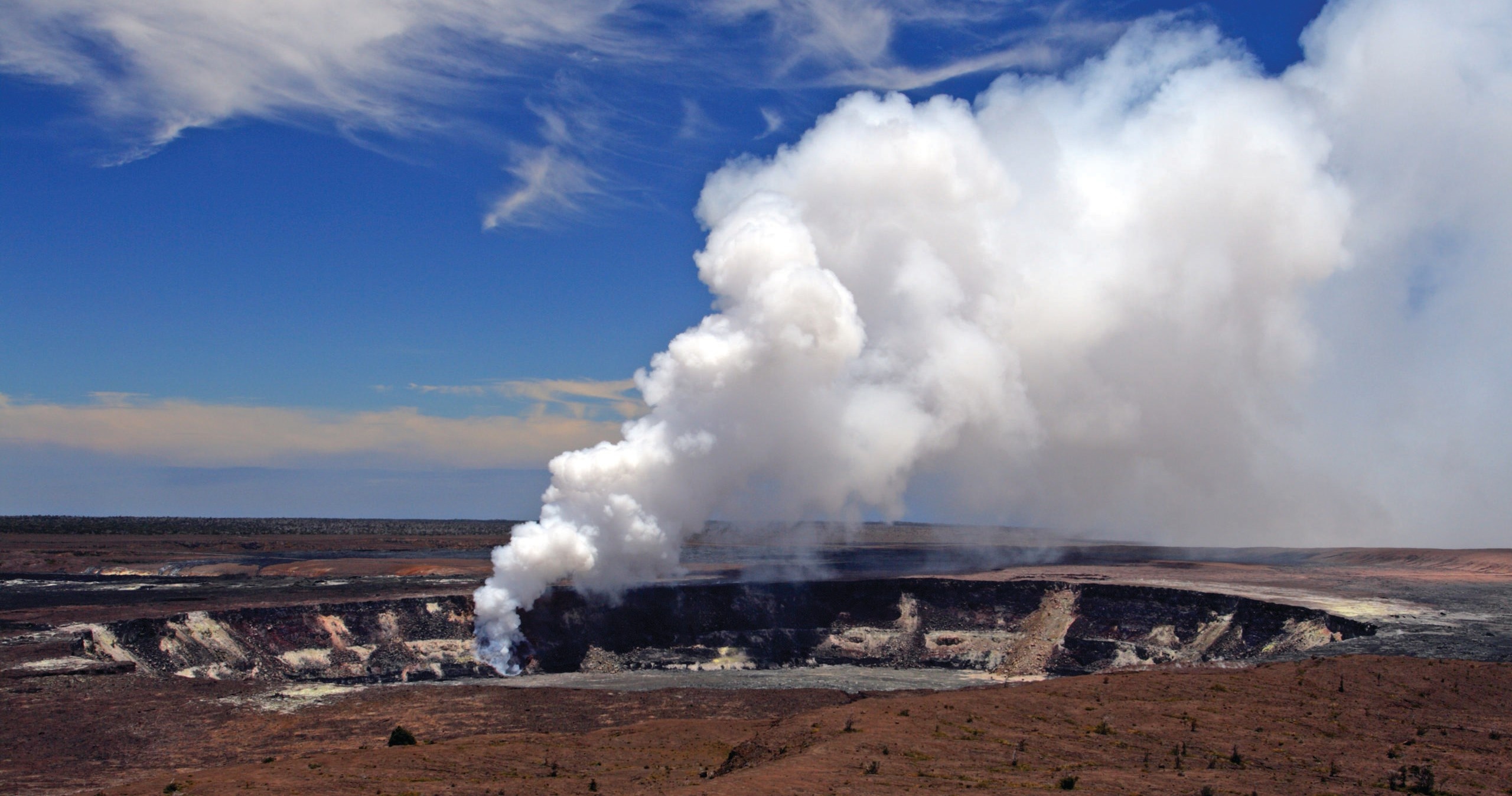
There’s a particular rhythm to travel in Hilo: low clouds lift, the scent of wet ʻohiʻa and ferns rises, and the coastline reveals itself in stages. Bus tours in Hilo are designed around that rhythm—measured, story-driven, and attentive to the weathered details of a landscape shaped by both rain and fire. Unlike high-speed excursions that skim coasts, Hilo’s tours slow the map to human scale. Drivers double as local interpreters, stopping at roadside vistas, pointing out native plant pockets, and outlining the geology that links lava flows to the seaside reefs beyond. The payoff is not just a checklist of attractions; it’s a layered sense of place. On a typical day you might begin with a seaside loop around Hilo Bay—where banyans and old sugar-town streets meet the Pacific—then climb into older, rain-soaked valleys to witness waterfalls dropping in multiple tiers. From there the route often swings toward Hawaii Volcanoes National Park, where the terrain is stripped down and elemental: hardened lava fields, steam vents, and stark roadside pullouts that make visible the island’s creation story.
Practical planning is baked into the experience. Bus tours range from two-hour coastal shuttles to full-day expeditions that include park admission, guided walks, and longer stops at scenic gardens and waterfalls. That variety means travelers can pick an outing that matches mobility needs, attention span, and curiosity—choose a short scenic loop if you want a gentle orientation to Hilo, or opt for a longer park-focused tour if the idea of walking across old lava and peering into crater rims excites you. Weather and terrain demand modest flexibility: Hilo is one of the wettest towns in the state, and rain can rework an itinerary (extra waterfall viewing or more time under shelter is often the trade). The best bus tours are those that use that weather as a feature—a rainforest mist becomes a visual effect, not an inconvenience—and provide comfortable, accessible windows from which to watch the island repaint itself.
Culturally, bus tours are an excellent introduction. Along the way, expect to hear about plantation history and native Hawaiian cultural sites, and to stop at markets where local growers sell tropical fruit and poi. The combination of narrative, curated stops, and the simple luxury of being driven through alternating microclimates—coastal flats, fern-filled gulches, summit-edge scrub—makes the Hilo bus-tour model especially welcoming for families, older travelers, and anyone who wants landscape immersion without the logistics of self-driving on unfamiliar roads. For adventurous travelers, bus tours also serve as connectors: they bring you to trailheads for short hikes, to snorkel-launch sites, and to meeting points for longer excursions like whale-watching or summit stargazing, turning a single carriage route into the spine of a larger island itinerary.
Tours scale to interests: short coastal loops, waterfall-focused half-days, and full-day volcano park circuits with guided walks.
Local drivers and guides provide geology, ecology, and cultural context—especially helpful in a place where weather reshapes the day.
The harbor is the gateway, and the Pacific becomes the classroom.
Hilo’s wet climate means frequent waterfalls and lush scenery but requires flexible timing; a drizzle can become the highlight rather than a setback.
Choose by purpose
Whale watching, snorkeling, sunset sailing, cultural canoeing, harbor sightseeing, or private chartering.
Start near the city
Waikiki and Honolulu Harbor are primary hubs, with some trips launching near Hanauma Bay.
Confirm the vessel
Gangways, shaded seating, and boarding requirements vary according to vessel size and operator.