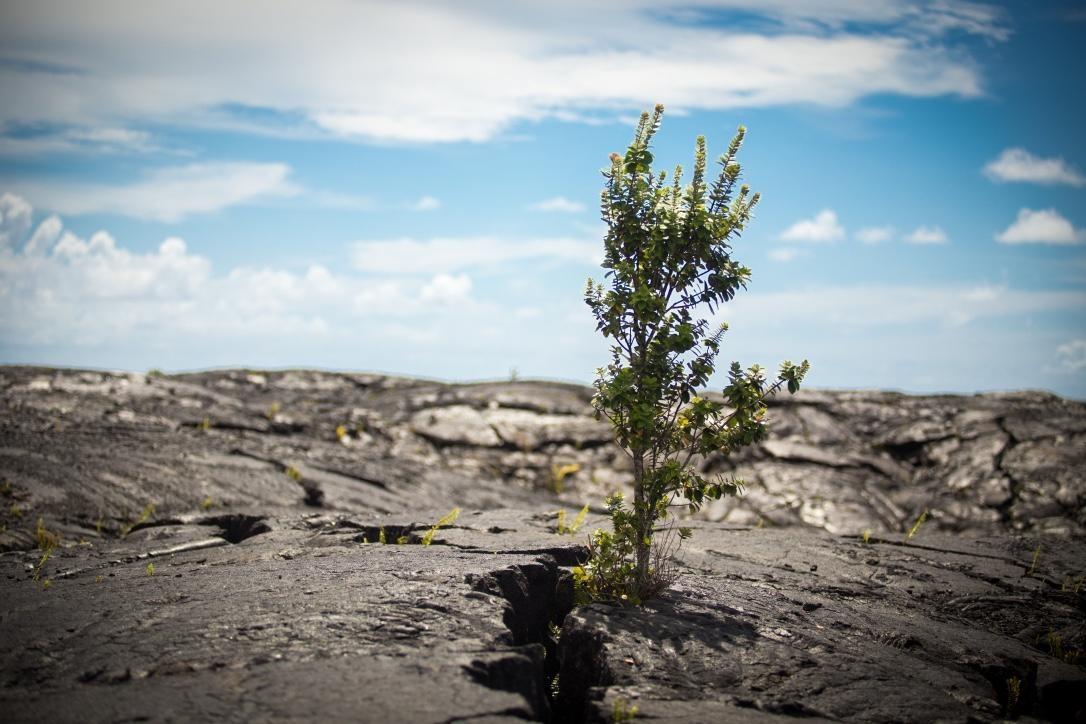
There are places where the land announces itself quietly — a gentle ridge, a distant panorama — and then there is Hilo, which arrives with humidity, thunder, and a chorus of waterfalls. Hiking here is an encounter with a living landscape shaped by water and fire: tropical rainforest that reclaims old trails, river-carved gulches that open into emerald pools, and raw fields of pahoehoe and ʻaʻa lava where the island's volcanic heart is visible and palpable. Close to town you'll find short, perfectly composed loops under a vaulted canopy, and within an hour's drive you can stand above a crater rim or pick through recent lava to see the textures and colors that textbooks only hint at.
The experience is as much ecological as it is scenic. The Hilo side of the island is fed by the trade winds and by geography that wrings moisture from passing clouds; that weather creates dramatic variation over short distances. A dry coastal walk can lead, within a half-hour drive, to a moss-draped trail where ferns reach for ankles and every root is slick with mist. That variety rewards curiosity: birdwatchers find endemic species in the understory, photographers choreograph long-exposure waterfall shots after afternoon showers, and botanists — amateur or otherwise — can spot native ʻōhiʻa and understory flora unique to the islands. Hiking here is not about high alpine views so much as layered, intimate encounters with ecology and geology.
Cultural context also deepens each trail. Many routes trace or intersect traditional ahupuaʻa boundaries — the island land divisions that link mountain to sea — and some paths lead to old wahi pana (sacred places) and historic sites. That makes hiking in Hilo simultaneously recreational and reflective: the trails are travel corridors through time, where volcanic episodes, ancient stewardship, and modern conservation all leave fingerprints. Because of frequent rain, trail surfaces vary from smooth boardwalks to boggy dirt, and planning revolves around weather, tides (for coastal routes), and respectful access. The payoff is a type of immersion few places offer: dense, sensory, and immediate. Whether you’re after a short waterfall loop that ends with a cool plunge, a rim walk with steaming vents and sulfur-scented air, or a coastal traverse where waves thunder against black cliffs, Hilo’s hiking portfolio delivers — with stewardship and practical preparation as part of the adventure.
The compact geography is a major advantage: within a short drive from Hilo’s center you can move from sea-level coastal paths to lava-scarred expanses and into protected parklands. That accessibility makes day trips practical and varied.
Weather and microclimate drive conditions here. Trails are often at their most dramatic after rain — fuller waterfalls, misted forests, and saturated colors — but that also means slippery roots, muddy trailheads, and occasional stream crossings. Plan for changeable conditions.
Choose by purpose
Whale watching, snorkeling, sunset sailing, cultural canoeing, harbor sightseeing, or private chartering.
Start near the city
Waikiki and Honolulu Harbor are primary hubs, with some trips launching near Hanauma Bay.
Confirm the vessel
Gangways, shaded seating, and boarding requirements vary according to vessel size and operator.