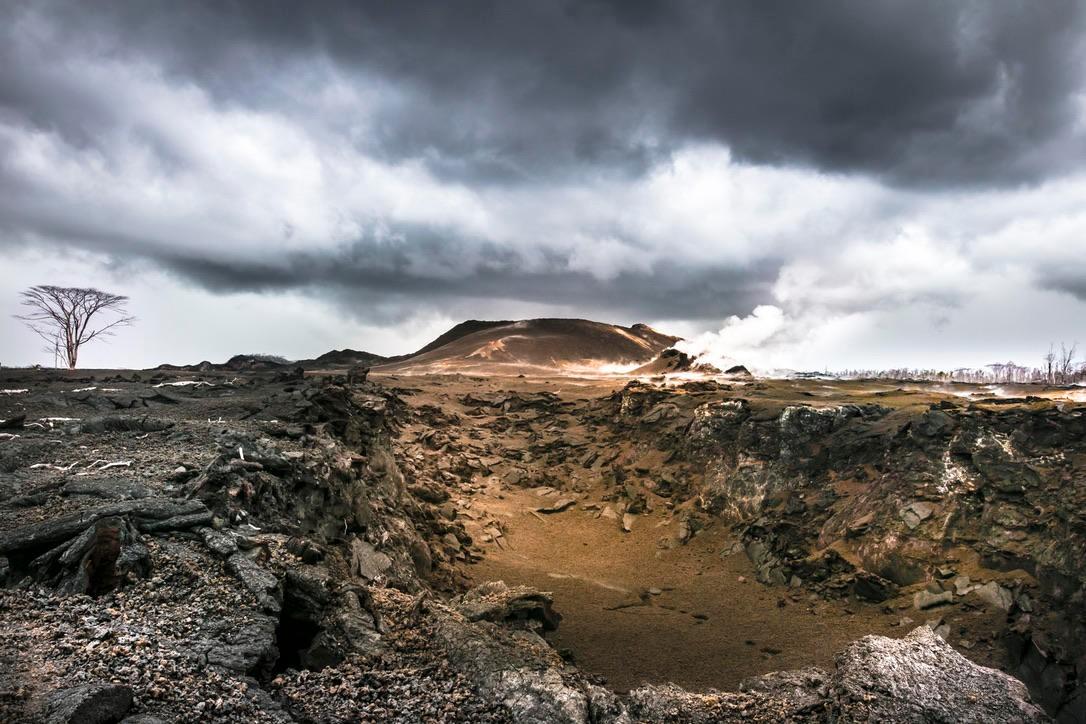
Hilo compresses an astonishing range of photographic subjects into a small radius: seething volcanic terrain to the west, a spray-splashed coastline to the east, and pocket rainforests and waterfalls threaded between. For photographers—amateur to pro—this variety means you can shoot a black-sand sunrise, a long-exposure waterfall in the morning, spend an afternoon on lava flows or in fern-fringed gulches, and then chase stormlight over the bay at sunset. The island’s moisture and topography create light that shifts from soft, veiled portraits to high-contrast, dramatic skies within hours. That volatility is the creative prompt: compositions rely as much on weather-readiness as on framing.
Beyond scenery, Hilo’s cultural texture enhances photographic storytelling. Local markets, churches, and street scenes are intimate and accessible, allowing for respectful portraiture and environmental studies alongside landscapes. Guides based in Hilo know the microclimates—where the morning fog will lift, which waterfalls hold the best flow after trade-wind squalls, and where lava steam vents produce the most evocative backlighting. Photography tours here are often hybrid experiences: technical instruction (tripod technique, filter choices, focus stacking) married to location logistics (timing the golden hour at a remote overlook, securing safe vantage points on slick volcanic rock).
Practically, Hilo rewards low-gear approaches and modular planning. Short drives yield disproportionate variety; a single half-day tour can deliver three distinct lighting scenarios. Seasonally, the wet side climate guarantees waterfalls and rainforest detail year-round, but it also demands redundancy—waterproof protection, extra batteries, and rapid-dry packing. For photographers who relish mood, texture, and contrasts—steaming vents, dripping moss, and saturated coastal skies—Hilo is not just convenient, it’s generative.
Tours range from short, focused shoots (black‑sand sunrise, waterfall long exposures) to full-day combos that include Volcanoes National Park and off‑the‑beaten‑path viewing platforms.
Local guides can open access to safer vantage points on lava flows, arrange permissions for private cultural shoots, and advise on drone regulations and park restrictions.
The harbor is the gateway, and the Pacific becomes the classroom.
Hilo’s microclimate produces rich, changeable light—plan flexibility into your itinerary and expect to carve windows of opportunity from sudden weather breaks.
Choose by purpose
Whale watching, snorkeling, sunset sailing, cultural canoeing, harbor sightseeing, or private chartering.
Start near the city
Waikiki and Honolulu Harbor are primary hubs, with some trips launching near Hanauma Bay.
Confirm the vessel
Gangways, shaded seating, and boarding requirements vary according to vessel size and operator.