Why Hilo Is a Standout Zipline Destination
There’s an unmistakable hush that falls when you step onto a zipline platform in Hilo: an island hush that holds the steady hiss of rain in the canopy and the faraway rumble of surf. Unlike sun-drenched, arid zipline parks, Hilo’s canopy tours are threaded through one of the wettest, greenest corners of the Hawaiian Islands. The vertical world here is dense and immediate—ferns layered on trunks, cliffs dressed in orchids and moss, and rivers that have carved deep, wet lanes below. Flying a line in Hilo feels less like a single stunt and more like an intimate passage through a living ecosystem. You cross gullies carved by flash floods, skim ridgelines where wind drafts can change your speed, and look down on pockets of riparian forest that host endemic birds and ancient taro patches.
That geography shapes the experience: ziplines here tend to emphasize scenery and variation more than sheer length or record speeds. Many Hilo operators stitch together a series of shorter to mid-length lines that alternate with suspension bridges, sky platforms, and interpretive stops where guides point out native plants, cultural sites, and the watershed dynamics that sustain local communities. Because the rainforest is active—rain one hour, sun the next—expect microclimates between the coast and upland valleys. A pre-dawn drizzle can turn into clear skies by late morning; late-afternoon squalls are common year-round. This makes scheduling and flexibility essential, and rewards travelers who plan for weather-ready clothing and a willingness to adjust timing.
For travelers, Hilo’s ziplines offer immediate practicality: they’re accessible from town with short drives, pair easily with classic island stops (think Akaka Falls, Rainbow Falls, the Hilo Farmers Market, or the Hawaii Tropical Botanical Garden), and often include short guided walks that add context to each flight. The combination of adrenaline and education—how native flora contributes to slope stability, where watershed protections are in place, or how taro loʻi fit into the landscape—gives the activity a depth beyond spectacle. For photographers and nature lovers, ziplines provide unobstructed angles into canopy layers that few other activities permit, while families and first-time flyers will find many operators offer introductory lines and dual-tandem options with guide assistance. In short, Hilo’s ziplines are defined by place: a humid, living canopy articulated by water, culture, and the geology of Hawaiʻi Island. They reward patience, curiosity, and the appropriate respect for weather and terrain.
Zipline flights in Hilo often double as environmental tours—guides interpret native plants, watershed importance, and local conservation efforts.
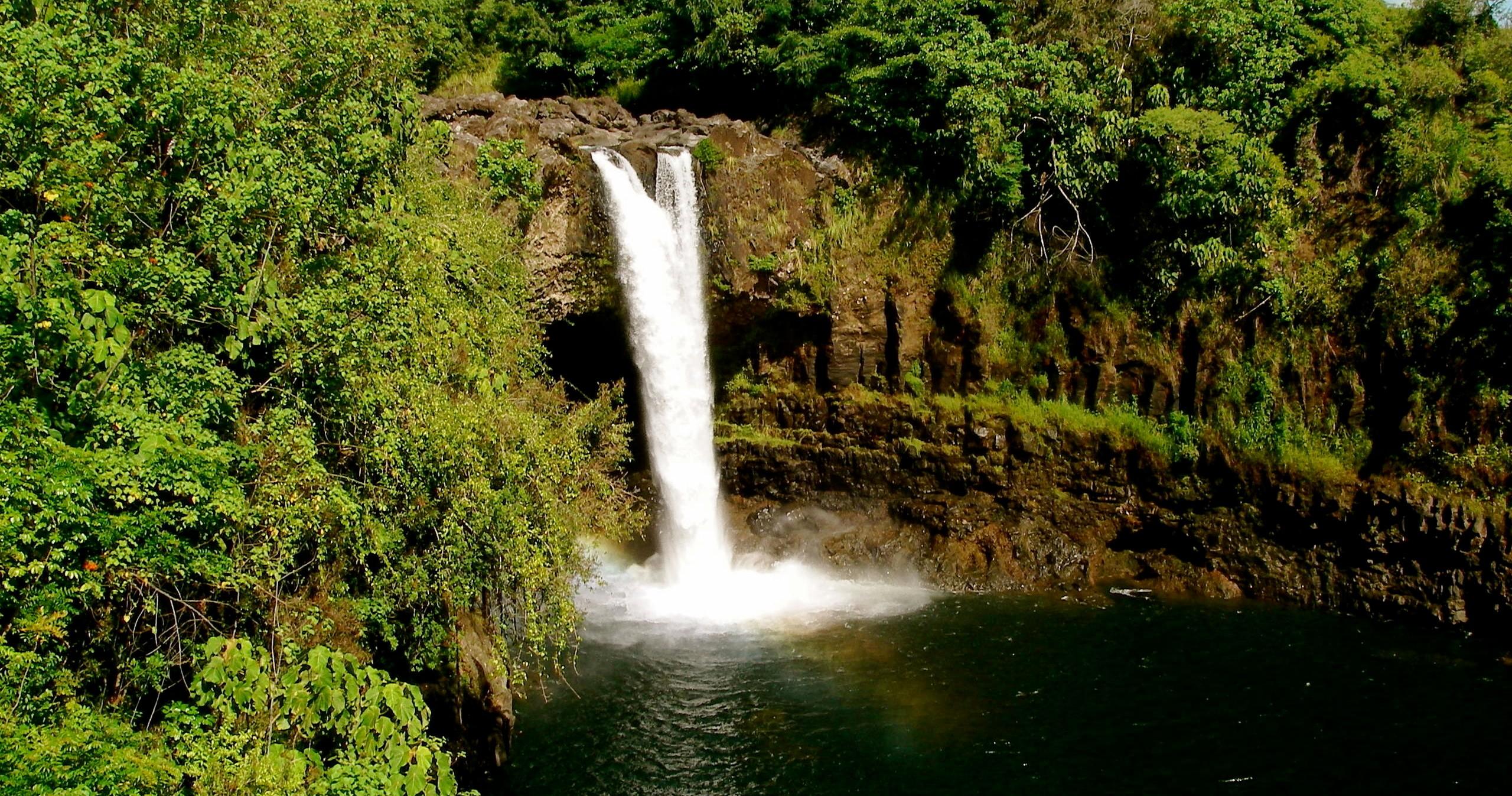
Short drives from Hilo town connect ziplines with waterfalls, botanical gardens, and scenic overlooks, making half-day or full-day combos simple to plan.
The harbor is the gateway, and the Pacific becomes the classroom.
Operators commonly run multiple short to medium lines rather than single ultra-long flights; this creates variety and frequent photo opportunities.
Choose by purpose
Whale watching, snorkeling, sunset sailing, cultural canoeing, harbor sightseeing, or private chartering.
Start near the city
Waikiki and Honolulu Harbor are primary hubs, with some trips launching near Hanauma Bay.
Confirm the vessel
Gangways, shaded seating, and boarding requirements vary according to vessel size and operator.