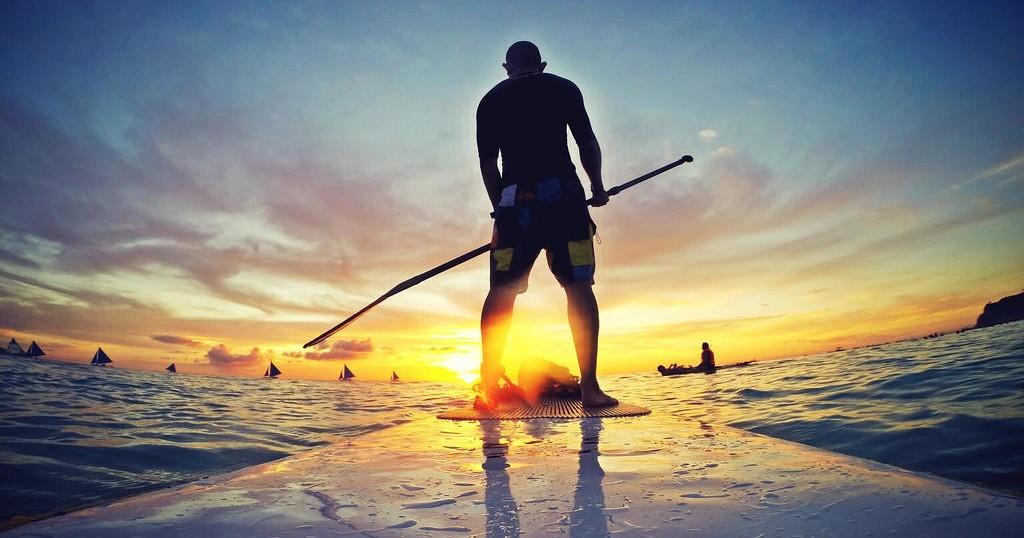
Why Holmes Beach Is a Standout SUP Destination
Holmes Beach sits on the gentle spine of Anna Maria Island, where wide, shallow bays unspool into a subtropical horizon. For stand-up paddleboarding, those conditions are gold: little chop on most mornings, long sightlines to watch wildlife, and a mix of sheltered tidal flats and open Gulf options for those who want a touch more surf. The island’s geomorphology—sandy flats punctuated by shell bars and narrow mangrove channels—creates a playground of micro-environments. One paddle can start on glassy tidal flats, thread a mangrove tunnel where the water cools and the air smells of salt and marsh grass, and then finish skirting a sandbar where the sky opens and the water shimmers in turquoise bands.
Beyond the immediate pleasure of flatwater paddling, Holmes Beach is practical. Launch points are compact and usually free or low-cost, and a handful of local outfitters concentrate lessons, guided eco-tours, and hourly rentals around the island’s north and central access points. That means you can plan short, child-friendly paddles and longer exploratory outings without a long drive or heavy gear. The community values the coast—beach-nesting birds, seagrass beds, and the occasional manatee all benefit from conscious paddling practices—and local guides are well versed in routes that balance wildlife viewing with safety and stewardship.
Seasonality here is gentle but meaningful. Winter brings cooler air and clearer water; migratory birds and manatees sometimes concentrate in calm coves. Summer is warm and lush but also brings higher humidity, afternoon thunderstorms, and more boat traffic on holiday weekends. Early morning windows in shoulder seasons (spring and fall) provide the calmest water and the best light for photography. With a modest amount of planning—checking tides, packing sun protection, and picking the right launch—you can tailor your SUP day to fitness level, curiosity, or a quiet escape with a picnic on a sandbar.
Holmes Beach excels for all-around SUP because the terrain is forgiving: shallow, sandy bottoms reduce hazard risk, and currents are generally mild compared with exposed barrier islands farther south. Paddlers can practice balance and stroke mechanics without committing to long open-water crossings.
Environmental richness is part of the draw. Seagrass meadows near the shore host juvenile fish and rays; mangrove fringes provide nursery habitat and quiet channels ideal for slow paddles and photography. Local operators emphasize interpretive tours that teach paddlers how to spot signs of habitat health and how to minimize their footprint.
Complementary activities are easy to combine. After a morning paddle you can bike the island’s low-traffic roads, comb the shoreline for shells at low tide, or take a short drive to Robinson Preserve for a kayak tour or a shaded hike. Many outfitters bundle SUP with snorkeling trips or sunset cruises for a fuller coastal day.