Why Holualoa's Waters Offer Memorable Dolphin Encounters
The Kona shoreline below Holualoa is a study in contrasts: steep volcanic ridges tumble toward a narrow coastal shelf where upwelling and reef structures create pockets of abundance. Those pockets are magnets for fish—and for the predators and opportunists that follow them. Spinner dolphins in particular favor the shallow offshore slopes here for foraging at dawn and socializing in the protected bays later in the day. To stand on a late-afternoon boat deck while a group threads the water beneath you—sinuous, fast, playful—is to witness a rhythm of ocean life that feels immediate and intimate.
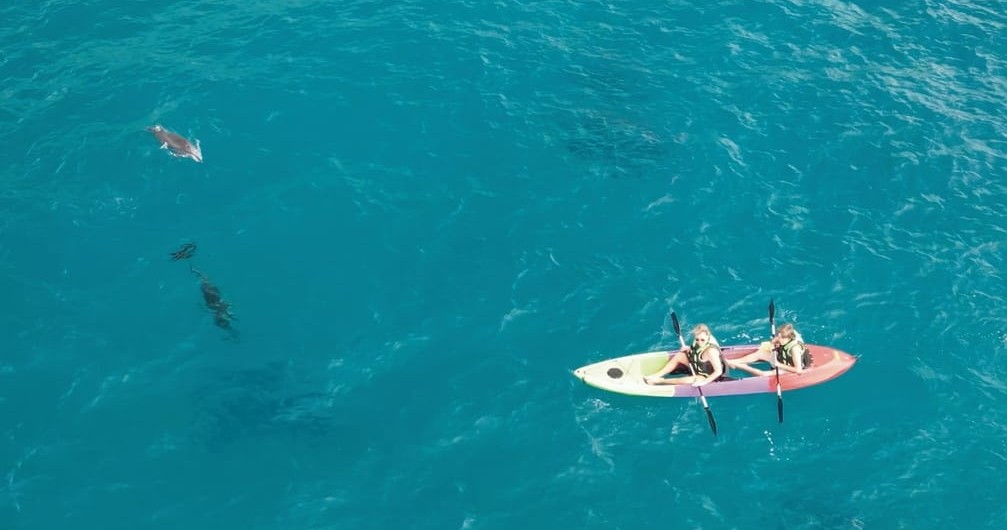
What sets Holualoa-area dolphin experiences apart is accessibility plus diversity. You can join small-boat operators who run short, focused dolphin-viewing cruises; take snorkeling trips that combine reef time with distant dolphin sightings; or paddle quiet coves at sunrise and watch dolphins ride the gentle swells. Each format delivers a different vantage point—shoreline watching preserves calm and distance, boats offer mobility and range, and guided swims can bring you into the same water column when conditions and ethics align.
Equally important is the cultural and conservation context. Hawaiian communities have long held deep relationships with the moana—rules, stories, and respect for marine life shape how locals approach the sea. Contemporary regulations and best-practice guidelines emphasize non-interference: observe, don’t chase; let animals initiate contact; and choose licensed operators who prioritize animal welfare. Those choices keep encounters natural rather than staged and sustain the populations that make this coastline special.
Practically, weather and sea state shape everything. Mornings tend to be glassy on the leeward Kona coast through spring and summer, offering the clearest water and gentlest rides. Trade winds pick up in the afternoon and can blunt quiet encounters, but they also produce the dramatic light and surf lines that make the region visually spectacular. Whether you plan a half-day snorkel-and-dolphin tour, a sunrise kayak, or a family-friendly wildlife cruise, the most reliable experiences hinge on timing, operator selection, and an ethic of patience. Be prepared to trade an immediate, forced close approach for a quieter, more meaningful observation that respects both the animals and the ocean they move through.
Holualoa's proximity to productive reef and slope habitats concentrates prey species—baitfish and small squid—so dolphins often hunt in predictable corridors. That predictability makes short, well-run trips effective for sightings without creating pressure on resident animals.
Encounters vary: from brief bow-ride visits with spinning displays to looser, foraging groups spread across a mile of water. Each encounter is different; the best operators leave room for that variability rather than promising guaranteed swims.