Top Whale Watch Experiences in Holualoa, Hawaii
Holualoa Whale Watch Guide

Top Whale Watch Experiences in Holualoa, Hawaii

From the coffee-scented ridges above Holualoa you can almost hear the ocean’s rhythm—an auditory hint of the whales that pass these shores each winter. Holualoa itself is a quiet, historic slope town, but its whale-watching story is told on the water: daybreak launches from nearby Kona harbors, slow cruises through protected bays, and shore-based vantage points where blow and breach punctuate the horizon. This guide focuses on the whale-watch experiences accessible to travelers based in Holualoa: what to expect on a boat trip, how to read seasonal patterns, how to pair a marine day with cultural sites and snorkeling, and what practical choices make a better—and more respectful—viewing.

Kona CoastOffshore Humpback MigrationKealakekua & Keauhou Bays

Live destination inventory

Top Whale Watch Trips in Holualoa

60 trips · Book with confidence · Instant confirmation

The prototype intentionally does not invent replacement trip cards or add images that are not already part of the live source page.

The city from the water

Why Holualoa Is a Standout Whale-Watching Base

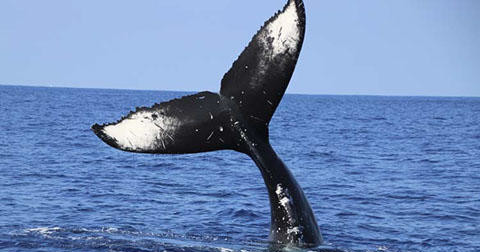
Holualoa sits uplifted above the Kona coastline, a small community of narrow roads, coffee farms, and panoramic ridgelines. It’s not a harbor town, but its geography makes it an excellent base for whale watching: quick drives down to Kona’s launch points mean early departures into prime daylight hours, and the town’s slower tempo is a welcome counterpoint to busy marinas. The waters off west Hawai‘i host one of the most accessible gatherings of humpback whales in the world during the cooler months. These animals migrate from feeding grounds in the far north to breed, calve, and socialize in the islands’ warmer seas, turning offshore bottlenecks, bays, and gentle shelf areas into stages for surface displays that include tail slaps, breaches, and long, resonant blows. From a traveler's perspective, whale watching near Holualoa blends a few threads: reliable seasonal presence, a mix of vessel types from laid-back sailing cats to nimble zodiac trips, and options for low-impact observations from shore or small coves. The region’s volcanic coastline shapes localized currents and sheltered inlets that whales use for mother-calf pairs and social groups. That variety works in your favor—on calmer days you may get close, slow encounters with socializing groups; on windier days, the spectacle is broader, with distant breaches and a horizon dotted with blows. The experience is both cinematic and quietly connective: you soon understand why islanders interpret whales as part of a cultural and natural narrative that spans ocean, shoreline, and community. Practical travelers will appreciate that Holualoa’s proximity to Kona minimizes transit time to boats, leaving more of the day for guided marine tours, snorkeling with spinner dolphins in different bays, or pairing a morning onboard with an afternoon of coffee-tasting and art-walks through town. Environmental stewardship is integral to responsible whale watching here. Federal and state regulations, local best-practice guidelines, and operator codes of conduct all aim to keep encounters observational rather than intrusive. Good operators brief passengers on distance, engine behavior, and photography etiquette; better trips include naturalists who explain behavior and conservation context. For visitors, that means the quality of a whale-watch day depends as much on the guide’s skill and ethics as on seasonal luck. Preparation is simple but meaningful: choose operators known for compliance and education, plan for early starts when whales are most active nearshore, and bring clothing and gear suited to open-ocean conditions. The reward is straightforward—a chance to witness large, intelligent animals in dynamic social settings, to hear an exposed breath echo in the cool sea air, and to leave with both photos and a deeper sense of place.

Accessibility from Holualoa: The short drive to Kona’s harbors is an advantage—early-morning departures beat midday winds and deliver clearer sea states. Many operators run half- and full-day trips; pairing a morning whale-watch with afternoon snorkeling or a cultural site visit creates a balanced day on land and sea.

Cultural and conservation context: Humpback whales feature in Hawaiian oral histories and contemporary stewardship programs. Local marine education initiatives and citizen-science efforts (photo ID, sighting logs) frequently collaborate with tour operators to monitor populations and reduce disturbance.
Activity focus

Choose by purpose

Whale watching, snorkeling, sunset sailing, cultural canoeing, harbor sightseeing, or private chartering.

Departure hubs

Start near the city

Waikiki and Honolulu Harbor are primary hubs, with some trips launching near Hanauma Bay.

Accessibility

Confirm the vessel

Gangways, shaded seating, and boarding requirements vary according to vessel size and operator.

Seasonal planning

Best Time to Visit

Holualoa is warm year-round, but wind, swell, migration, visibility, and demand change the best match between traveler and trip.

Holualoa boat tour
Year-round destination

Seasonal highlights change the reason to go

Winter favors humpback encounters; warmer, calmer months favor snorkeling visibility and smoother water.

Humpback season

January–March is typically the most active period for surface behaviors and calf sightings.

Prime whale watching, winter holidays, higher demand, and earlier sell-outs.

Snorkeling window

November–December–January–February–March–April–May

Typically gentler seas and clearer water for snorkeling trips.

Weather notes

Trade winds year-round

Winter months bring the whale migration and generally cooler, windier mornings on the Kona coast. Afternoon sea breezes and short squalls are possible. Summer months are calmer offshore but see lower humpback presence.

Quieter opportunities

Late spring & summer weekdays

Late spring through early fall offers quieter marinas and better conditions for snorkeling, dolphin-watching, and reef exploration, though humpback sightings decline substantially.

Match the trip to your comfort

Choose Your Experience Level

Low effort

Beginner

Ideal for travelers new to marine wildlife watching—comfortable sightseeing boats and narrated trips that require no prior ocean experience.

  • Large-boat narrated whale-watch cruise
  • Shore-based viewing at nearby headlands
  • Short morning departures with basic wildlife orientation
Active day trip

Intermediate

For travelers slightly more adventurous and comfortable on smaller, faster vessels—offers closer observation and more dynamic trips.

  • Small-boat zodiac whale-watch with naturalist guide
  • Combined whale-watch and snorkel half-day charter
  • Photography-focused trips timed for golden-hour light
Longer or technical

Advanced

Geared toward seasoned ocean travelers seeking active, hands-on days—longer charters, private boats, and trips that combine marine research elements or remote bay access.

  • Private-charter whale-watch with onboard naturalist
  • Multi-activity marine expeditions (whale watching + remote snorkeling)
  • Citizen-science or photo-ID trips coordinated with research groups

Prepare for sun, spray, and swell

What to Bring

Essential

Core kit

  • Windproof and layered jacket—ocean mornings are cooler and windier than shore
  • Seasickness medication or preventive bands if you get motion sick
  • Sunscreen (reef-safe), hat, and polarized sunglasses
  • Reusable water bottle and light snacks
  • Binoculars or a camera with a mid-range zoom
Recommended

Useful extras

  • Small waterproof bag or dry sack for electronics
  • Light gloves and beanie for early departures
  • Compact first-aid kit and any personal medications
  • Printed confirmation and operator contact info
Optional

Trip-specific

  • Long lens camera or teleconverter for wildlife photography
  • Field guide to marine mammals or a local species checklist
  • Mesh bag for keeping wet items separated after snorkeling
Book early for peak winter months, prioritize operators with naturalists, and respect distance and noise guidelines to protect whales and legal compliance.

Insider Tips & Local Knowledge

Reserve whale-watching and popular sunset cruises well ahead during December–April.
Choose morning snorkeling departures for calmer seas and better underwater visibility.
For motion sensitivity, choose a larger vessel, sit mid-ship, and take preventative medication before boarding.
Do not touch coral or wildlife, avoid standing on reefs, and use reef-safe sunscreen.
Community-based operators may add context about traditional navigation and stewardship.
Arrive early for parking and check-in because Waikiki departure areas can be busy.

Planning questions

Frequently Asked Questions

No special permits are required for tourists to join licensed commercial whale-watch tours. Operators themselves must follow federal and state regulations about vessel behavior and distances.
Top Whale Watch Experiences in Holualoa, Hawaii
Ready for your whale watch adventure?

Browse 60 verified trips in Holualoa.

Compare current availability and book with instant confirmation.

Explore Holualoa whale watch