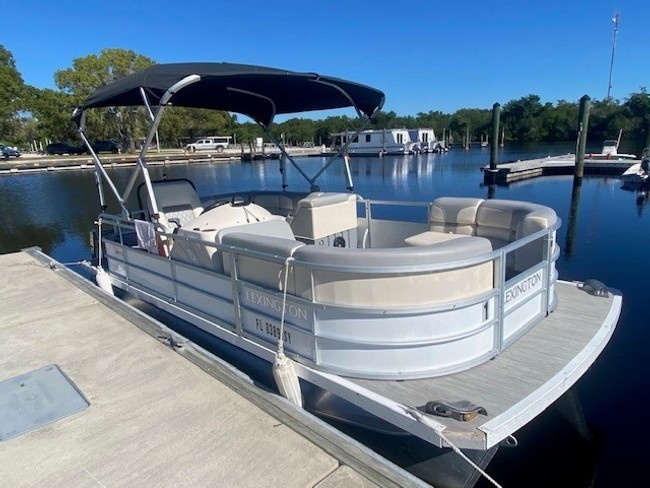
Why Homestead Is Ideal for Boat Rentals
Homestead sits at a unique ecological and geographic hinge: to the east, the shallow, protected waters of Biscayne Bay and the mosaic of keys; to the west, the vast, slow-moving backcountry of Florida Bay and Everglades fringes. For boat renters that translates into shorthand: variety within minutes. You can launch at first light into calm, glassy channels laced with mangroves and spend a morning birding and skiffing through narrow cuts; by midday you can be anchored on a white sand patch with knee-deep water for wading and snorkeling; by late afternoon, you can run a short crossing to an upper-key sandbar to watch the sun set off a broad horizon. That proximity—short transits to richly different marine environments—is the practical reason boat rental here feels effortless.
Beyond convenience, Homestead’s watercraft culture is scaled for exploration without intimidation. Many local rental fleets focus on user-friendly boats: tiller-steer skiffs, small center-consoles with modest horsepower, and pontoon or deck boats that prioritize comfort for families. Operators generally pair craft selection with route suggestions calibrated for tides, wind, and what clients want to see—shorebirds and manatees in the mangroves, large schools of snapper over patch reefs, or a quiet picnic on an offshore sandbar. The terrain itself—broad flats, narrow mangrove tunnels, and short channels between islands—rewards modest-sized boats that can be beached or anchored in shallow water. That makes the activity accessible to newcomers while still offering tactical choices for anglers and more experienced captains.
Seasonality shapes the experience more than calendar dates. The dry season (roughly late fall through spring) brings steadier winds, clearer water in many places, and fewer summer thunderstorms—ideal for long days exploring the keys or idling over shallow reefs. Summer is hotter, with frequent afternoon storms, but it also delivers the warmest water for snorkeling and can mean quieter marinas on weekdays. Regardless of season, weather windows matter: morning light often yields the calmest conditions, and tides affect where you can access sandbars and how deep the mangrove channels run. Environmental stewardship is also central. Seagrass beds, coral patches, and mangrove root systems are living infrastructure; anchors and propellers can damage them. The most conscientious rental operators provide reef-friendly anchor options, route guidance to minimize disturbance, and local insight that helps renters experience the area without compromising it.
Culturally, Homestead’s boating community is practical and outdoors-first. You’ll find long-time captains who read tides and currents like a second language and laid-back rental crews who are eager to help visitors tweak an itinerary to include a secret beach or a less trafficked reef. For travelers who want more than a motorboat day, there are natural pairings: local chartered fishing trips for those seeking flats or reef action; guided kayak or paddleboard tours through tighter mangrove channels; and occasional eco-tours into the outer edges of Biscayne National Park. For planners, the rhythm is clear: pick your boat to match your goals, book around calm wind windows for comfort and visibility, and treat the Bay like a shared neighborhood—quiet voices at anchorage, responsible anchoring, and a respect for wildlife that makes future visits possible.
Short transits: Many popular destinations are within 30–60 minutes of Homestead launch points, making full days or half-day rentals equally rewarding.
Ecological diversity: Mangroves, seagrass flats, patch reefs, and sandbars offer distinct experiences and species encounters within a single outing.
Choose by purpose
Whale watching, snorkeling, sunset sailing, cultural canoeing, harbor sightseeing, or private chartering.
Start near the city
Waikiki and Honolulu Harbor are primary hubs, with some trips launching near Hanauma Bay.
Confirm the vessel
Gangways, shaded seating, and boarding requirements vary according to vessel size and operator.