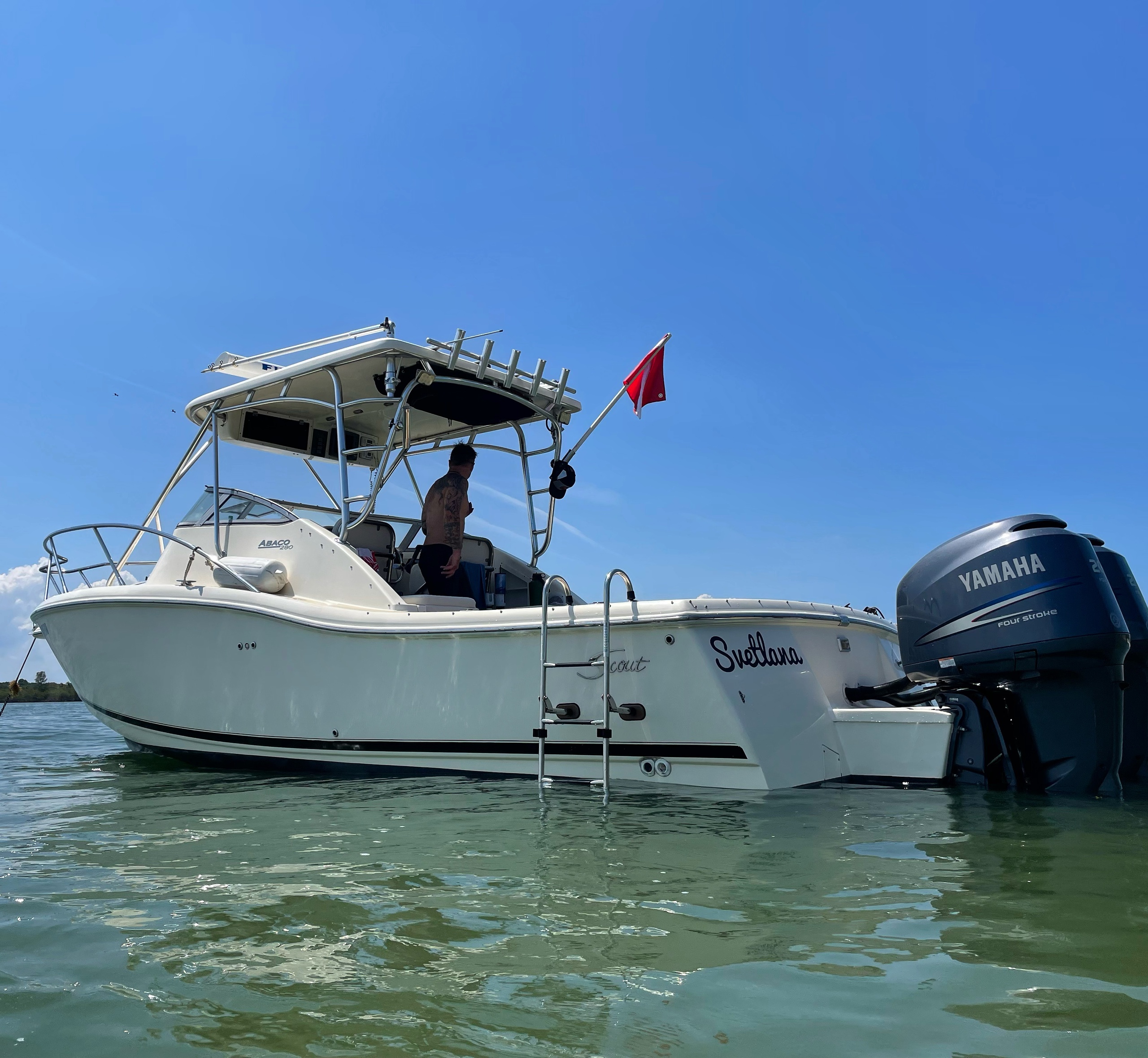
Honokaa’s appeal from the water begins with contrasts: the town’s old-growth gulches and cascading streams rise quickly from the shore, feeding steep coastal cliffs and a shoreline that reads differently from every angle. Taking a boat here isn’t just about crossing blue water; it’s about changing perspective — from the lush, humid slopes that feed dramatic falls to the open ocean where humpback whales spend winter months and spinner dolphins weave before dawn. Sea-based tours concentrate those contrasts into compact experiences. In winter, marine mammals migrate through channels just offshore, offering thunderous breaches and complex social displays; in summer, calmer seas reveal reef gardens and tide-carved lava benches, places that invite snorkeling or patient observation from a shaded cockpit. The boat is both vehicle and viewpoint, granting proximity to wildlife and to geological features that are otherwise difficult to read from the highway.
Beyond wildlife, the maritime culture near Honokaa is quietly rich. Small operators often blend natural history, local storytelling, and practical seamanship into their trips—introducing passengers to traditional navigation terms, Hawaiian place names, and the ecology of nearshore reefs. Many tours are run by families or local captains with deep ties to the island; choosing a small-boat operator can reward travelers with intimate observation opportunities, hands-on interpretation, and direct support for local communities. Practical considerations shape the experience too: trade winds and ocean swell patterns govern how far a vessel will go, and the same geology that makes the Hāmākua coast spectacular — steep valleys and powerful surf — can mean rough conditions at certain times of year. That’s why careful timing matters. Pick winter months for the best chance at whale encounters and scheduled conservation-focused watching; choose the calmer summer and early fall for snorkeling and reef-focused outings. The best trips tie the sea back to the land: a morning boat tour followed by a waterfall hike or a stop at a seaside farmstand leaves you with a layered impression of place, where marine life, agricultural history, and volcanic geology are all parts of the same story.
Small-group vessels and educational cruises often prioritize slow, low-impact observation—valuable for photographers, families, and travelers who want marine encounters without crowds. Larger party boats can still deliver dramatic wildlife viewing but usually at the cost of intimacy and quieter wildlife behavior.
Combine a boat tour with shoreline activities: a post-cruise walk along a black-sand beach, a visit to a local café in Honokaa’s historic district, or a short drive to a lookout into Waipiʻo Valley enriches the maritime slice of the trip and helps with weather-driven flexibility.