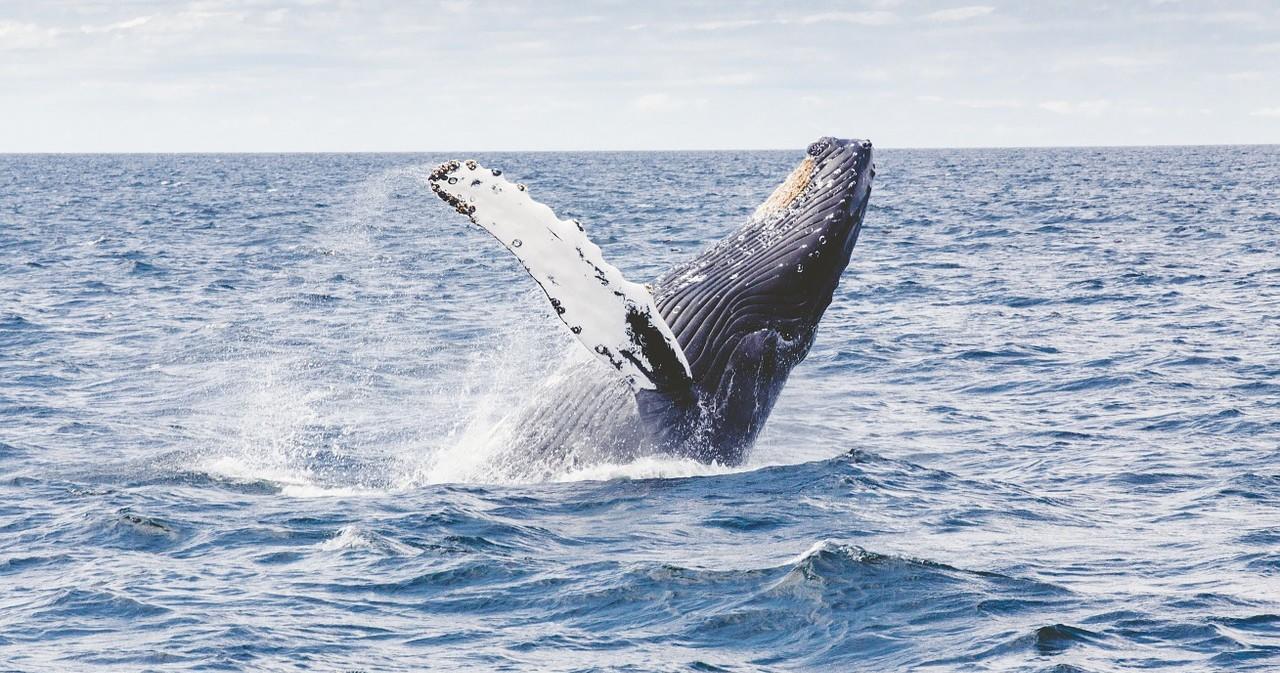
On a clear winter morning the Hamakua cliffs glow like old islands of lava glass, and the valley mouths that punctuate the coast—Waipio’s mouth a long black throat, smaller gulches like polished bowls—offer natural amphitheaters for watching the ocean’s slow theater. Humpback whales migrate thousands of miles to Hawaiʻi’s protected bays and nearshore waters each winter, and Honokaa’s position on the northeastern flank of the island puts it within striking distance of several reliable viewing areas. What makes Honokaa unusual is the combination of accessibility and variety: a short drive moves you from roadside lookouts and lava-scarred cliffs to small harbors where operators launch intimate vessels. For travelers who want both quiet shore sightings and up-close encounters on the water, Honokaa feels like a low-key basecamp—a place where morning coffee and a binocular-scan of the horizon are part of the routine.
Beyond the whales themselves, contacts with local culture and conservation work give whale watching here depth and context. Local guides and naturalists often layer Hawaiian place knowledge, seasonal lore, and marine-science updates into trips, translating the whales’ songs into a larger conversation about ocean health, coastal watershed protection, and traditional stewardship. Practical advantages also stack up: compared with crowded hubs, Honokaa-area launches tend to be smaller and more flexible with route choice; morning hours commonly deliver calmer seas and better light for photography; and the short drives to vantage points on both the Hamakua Coast and nearby Hilo side mean you can switch strategies by weather or whim. For travelers who want to pair whale watching with other adventures, the region easily accommodates waterfall hikes, black-sand beach visits in Waipio, cultural stops in town, and snorkeling or coastal fishing excursions later in the season. In short, Honokaa is neither the flashiest nor the busiest whale-watching port on the island—but its combination of shoreline drama, approachable charters, and thoughtful local guides makes it an ideal base for travelers who want encounters that feel authentic, instructive, and responsibly paced.
Whale season in Hawaiʻi (roughly November through May) is driven by breeding and calving behavior; the largest concentrations of humpbacks are typically found in protected bays but individuals and small groups travel along nearshore corridors that pass the Hamakua Coast.
Operators out of nearby harbors favor morning departures for calmer seas and clearer skies—conditions that increase the odds of close surface behaviors like breaching, tail slaps, and pectoral fin displays.
Conservation-minded tours and education-driven operators are common in the area; look for charters that brief passengers on approach guidelines, noise reduction, and the legal buffer distances designed to protect resting or nursing whales.