Why Honomu Is a Standout Water-Activities Destination
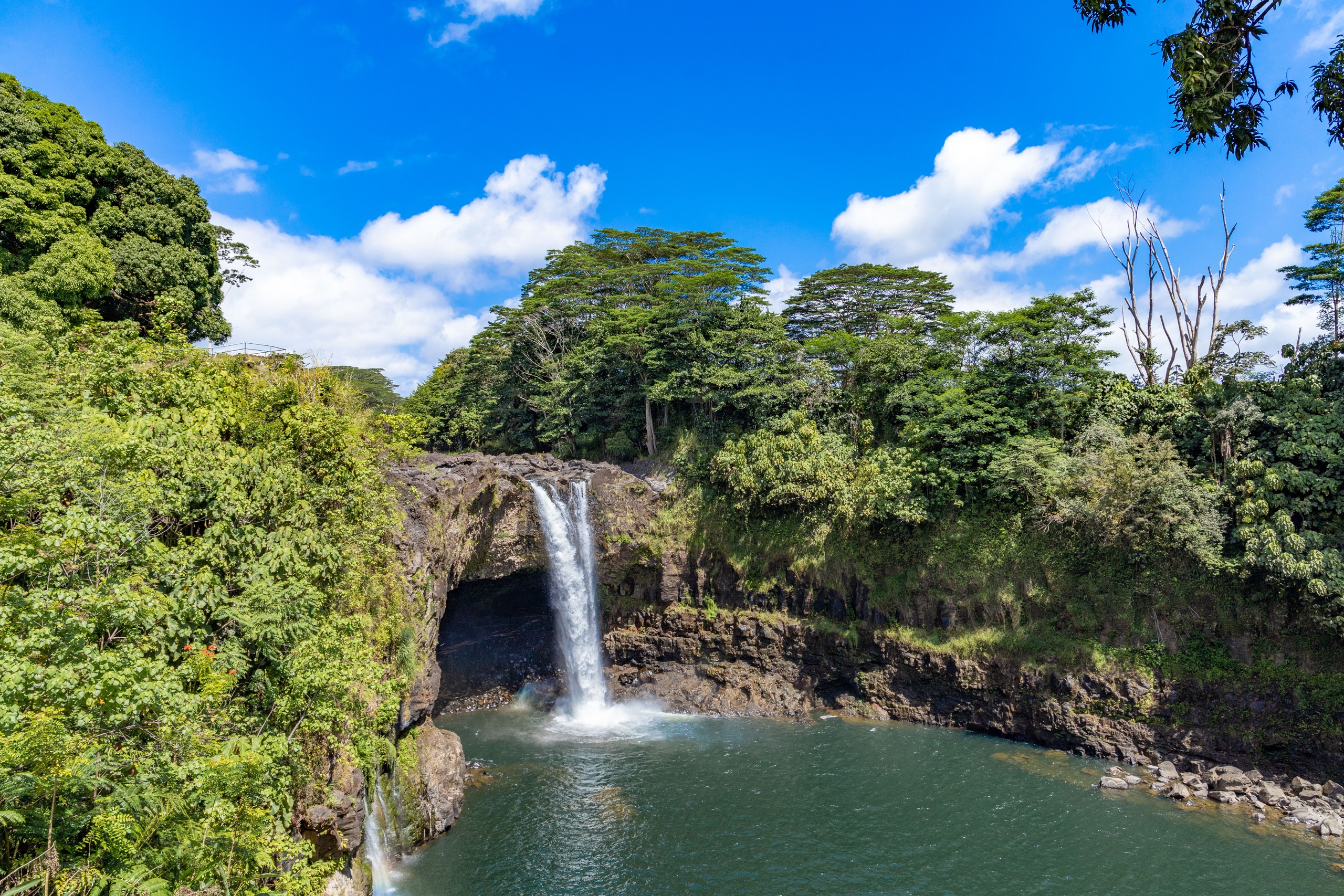
Honomu’s coastline is a study in contrasts: narrow pockets of black lava bench give way to gullies that funnel mountain water to the sea, and rainforest seeps tumble into ferned amphitheaters that frame waterfalls. For travelers who want water experiences that feel elemental—where freshwater and saltwater meet and the landscape feels actively in motion—Honomu delivers. The village sits near Akaka Falls State Park, whose signature falls are less a swimming destination than a dramatic entry point to the island’s wet, green biome; close by, smaller gulches and pools provide seasonal swim holes for those prudent about current and depth. Along the shoreline, tidepools and rocky benches invite careful exploration at low tide, and on calm days sheltered coves off the Hamakua Coast can offer glassy water suitable for snorkeling or short coastal paddles.
What separates Honomu from resortized beach destinations is scale and intimacy. There are no long stretches of golden sand dotted with lifeguard towers here; instead you find pocket beaches, dramatic cliffs, and ancestral connections to the sea and mountains. That means fewer crowds, but also fewer services—when the water is rough, there’s no lifeguard to rely on, and access points can be rocky and steep. Local weather patterns are important: trade winds and seasonal swell directions change the shape of the coastline and how safe any given activity will be. Summer months generally bring calmer seas and clearer water; winter opens the ocean to larger swells that draw experienced surfers but close many shallow snorkeling and paddle spots. Understanding tides, swell, and the role of currents is essential for turning a visit into a safe memory rather than a hazard.
Honomu is also a place where cultural and ecological stewardship matter. The water here supports native fishes, reef systems, and freshwater streams that feed coastal wetlands. Visitors who come to swim, snorkel, or paddle should move with humility—avoid stepping on coral, use reef-safe sunscreen, and follow posted guidance at state parks and sacred sites. Complementary activities—short rainforest walks, botanical stops, and a drive along the Hamakua Coast—enrich any water day by putting ocean time in context: the water you swim in begins hundreds of feet upslope in mist-heavy forests. For planners, the combination of dramatic scenery, concentrated water-based opportunities, and nearby Hilo services makes Honomu an ideal base for focused aquatic exploration: choose your day by the forecast, pack with purpose, and prefer small-group operators for guided ocean or waterfall experiences.
Accessibility and scale: Honomu's water features are often reached by short walks or cliffside pullouts rather than long beach approaches. That makes many activities excellent for half-day planning, but also means mobility and footing considerations—expect uneven lava rock and short steep trails.
Season and conditions shape options: calmer trade-wind summers favor snorkeling and paddling; winter swell creates dramatic surf and rips that are best appreciated from safe viewpoints or by experienced surfers only.