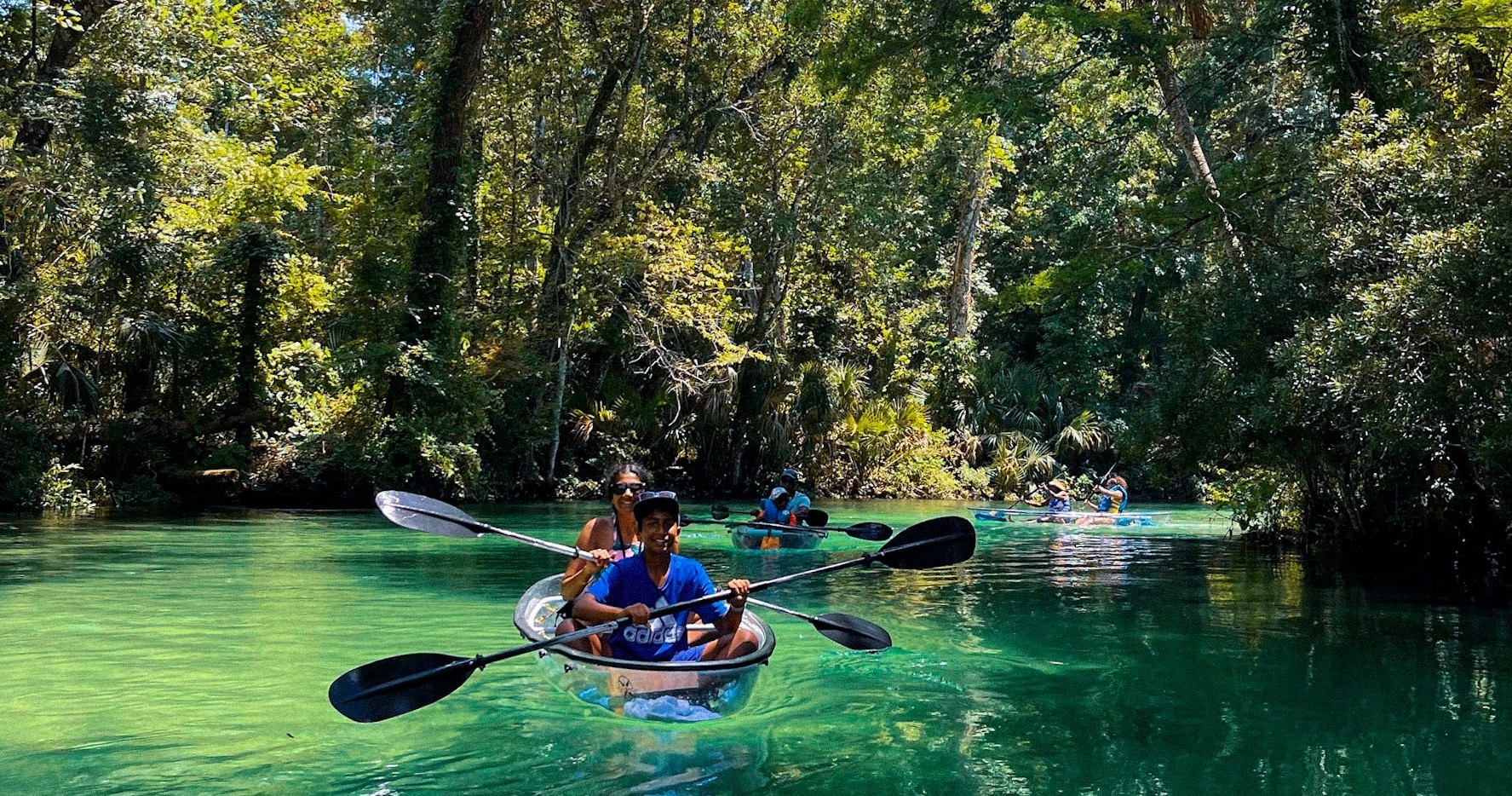
Hudson is a place of close encounters rather than grand panoramas—a short paddle or a hands-on boat trip here feels like stepping into the intimacy of estuarine life. The shoreline is a mosaic of mangrove fingers, tidal flats, and patches of seagrass that trap nutrients and shelter juvenile fish. Because the water is shallow and the habitats are compressed, species that in deeper regions are dispersed become concentrated and relatively easy to observe. That makes Hudson perfect for eco tours: you don’t need to head far offshore to see ospreys stoop for mullet, to hear the sharp piping of migrating shorebirds, or to spot a sea turtle rolling in a grass bed.
The character of an eco tour here is interpretive and sensory. Guides read tide and wind as easily as they identify species; trips combine quiet observation with explanations about food webs, local restoration projects, and the human pressures that shape the coastline. Anclote Key—one of the region’s better-known conservation destinations—is a common stop on guided trips. Its undeveloped shorelines and dune-backed beaches are nesting habitat for shorebirds and offer a tactile lesson in island dynamics. Closer to the mainland, mangrove creeks and the Anclote River showcase how root systems stabilize sediments and how subtle changes in salinity ripple through an ecosystem.
Culturally and historically, eco tours around Hudson are also about a relationship with the Gulf that runs deeper than recreation. The area has long supported inshore fisheries and small-scale maritime livelihoods; local guides often carry knowledge passed down through generations—where the sheepshead run at high tide, which flats hold scallops after a full moon, or which spring-fed creeks draw manatees in colder months. Many tour operators frame their trips as stewardship experiences: participants learn practices like low-impact boating, shoreline etiquette, and how to report sightings for local conservation databases. For travelers, that dual focus—sensory discovery plus practical conservation context—creates tours that are both memorable and meaningful. Whether you arrive with a casual curiosity or a background in nature study, Hudson’s eco tours deliver focused, accessible immersion in a living coastline.
The compact coastline makes wildlife viewing efficient—short excursions often yield multiple habitat types: mangroves, flats, seagrass, and island beaches.
Seasonal patterns (migrations, spawning pulses, and cold-season manatee movements) shape what you’ll see; local guides tailor trips to the tides and wildlife calendar.
Because many tours operate from shallow bays and estuaries, they’re accessible by kayak, paddleboard, or small skiff—great options for travelers seeking low-impact experiences.