Kayaking in Hudson, Florida: Estuaries, Barrier Islands & Gulf Paddles
Hudson Kayak Guide

Kayaking in Hudson, Florida: Estuaries, Barrier Islands & Gulf Paddles

Hudson’s shoreline is an intimate coastal classroom—mangrove-lined creeks, tidal flats, and a scattering of barrier keys that shelter quiet bays. Kayaking here is less about alpine ascents and more about slow discovery: tracking the tide, watching shorebirds, edging close to clear flats where seagrass ripples under a shallow hull. Expect short launches, a mixture of flatwater estuary paddles and exposed Gulf crossings to Anclote Key on calm days, and a chance to combine paddling with snorkeling, beachcombing, or a narrated local history of the lighthouse.

Anclote RiverSt. Joseph SoundAnclote Key & LighthouseHudson Beach

Live destination inventory

Top Kayak Trips in Hudson

54 trips · Book with confidence · Instant confirmation

The prototype intentionally does not invent replacement trip cards or add images that are not already part of the live source page.

The city from the water

Why Hudson Is a Standout Kayak Destination

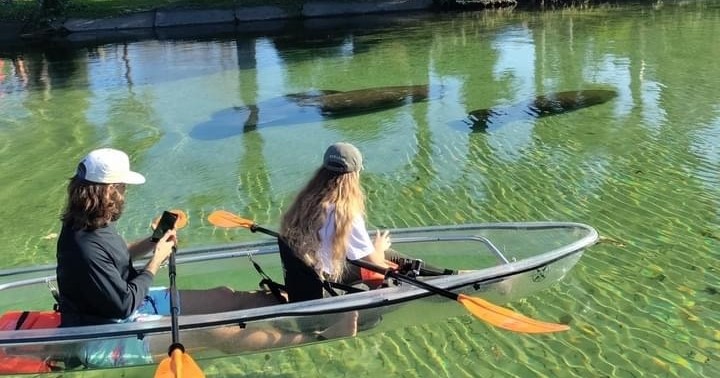
Hudson, on Florida’s western gulf coast, is a place where the tide writes the day’s itinerary. Paddle launches often begin from low-key public ramps and pocket beaches, then unfurl into a braided landscape of mangrove tunnels, shell-strewn flats, and open water that gleams like a salt-washed mirror. The region’s signature appeal for kayakers is intimacy: short approaches lead to secluded coves where the beach is seldom crowded, and where binoculars reveal flocks of sandpipers, distant roseate spoonbills, and the slow surfacing of a manatee feeding on seagrass. This is coastal paddling that rewards quiet attention. On an incoming tide the current smooths the estuary; on an outgoing tide it scours channels that cut through the flats. The geography encourages a mix of outings—family-friendly bay loops that finish with a picnic on a barrier island, half-day transects along the Anclote River where small tributaries invite exploration, and more committed Gulf crossings to Anclote Key and its lighthouse when conditions allow. Each option offers a different rhythm: sheltered paddles for early-morning birdwatching, breezier open-water legs in the afternoon that require attention to wind and chop, and late-day estuary floats where the setting sun turns the mangroves into dark silhouettes. Beyond the paddling itself, Hudson sits within a coastal culture shaped by fishing, small harbors, and a history of maritime navigation. Local boat ramps and guides lean practical rather than flashy—gear rental and guided eco-tours are available nearby, and seasonal events draw anglers and nature lovers alike. For travelers who like to layer experiences, kayak outings pair naturally with snorkeling shallow seagrass beds, paddleboarding the calmer channels, or beachcombing the sand spits of nearby islands. That blend of solitude, wildlife viewing, and accessible seaside exploration is what makes kayaking in Hudson feel both restorative and reliably adventurous.

The paddling terrain is varied but generally forgiving: sheltered estuaries and mangrove creeks for calm explorations, with occasional openwater stretches that require basic route planning and wind awareness.

Wildlife encounters are frequent—wading birds, ospreys, dolphins, and manatees are commonly seen. Respect wildlife by keeping distance, especially from resting birds on sandbars.

The harbor is the gateway, and the Pacific becomes the classroom.

Tides, wind, and afternoon thunderstorms shape every day. Planning around tidal windows and local weather forecasts is an essential part of successful trips here.
Activity focus

Choose by purpose

Whale watching, snorkeling, sunset sailing, cultural canoeing, harbor sightseeing, or private chartering.

Departure hubs

Start near the city

Waikiki and Honolulu Harbor are primary hubs, with some trips launching near Hanauma Bay.

Accessibility

Confirm the vessel

Gangways, shaded seating, and boarding requirements vary according to vessel size and operator.

Seasonal planning

Best Time to Visit

Hudson is warm year-round, but wind, swell, migration, visibility, and demand change the best match between traveler and trip.

Hudson boat tour
Year-round destination

Seasonal highlights change the reason to go

Winter favors humpback encounters; warmer, calmer months favor snorkeling visibility and smoother water.

Humpback season

Winter and early spring draw more visitors due to milder temperatures and migratory birds.

Prime whale watching, winter holidays, higher demand, and earlier sell-outs.

Snorkeling window

November–December–January–February–March–April

Typically gentler seas and clearer water for snorkeling trips.

Weather notes

Trade winds year-round

Late fall through spring delivers cooler temperatures, lower humidity, and more stable marine conditions. Summers are hot and humid with frequent afternoon thunderstorms and higher humidity; tropical weather can affect the region from June through November.

Quieter opportunities

Late spring & summer weekdays

Summer offers quieter waterways and warm water for snorkeling, but plan outings for early morning to avoid heat and afternoon storms.

Match the trip to your comfort

Choose Your Experience Level

Low effort

Beginner

Short flatwater loops inside the estuary or bay with minimal exposure to open Gulf conditions.

  • Anclote River estuary loop
  • Sheltered mangrove creek exploration
  • Family-friendly beach-and-picnic paddle
Active day trip

Intermediate

Longer estuary routes, open-water legs to nearby sandbars, and paddling against tidal flows or moderate wind.

  • Half-day paddle to a sand spit with beach break
  • Cross-bay route to a coastal park
  • Guided wildlife-focused estuary tour
Longer or technical

Advanced

Gulf crossings to barrier islands in variable conditions, longer exposed paddles where wind, wave fetch, and navigation demand skill and planning.

  • Open-water crossing to Anclote Key
  • Extended circumnavigation of larger islands
  • Multi-leg trips timed precisely to tides and weather

Prepare for sun, spray, and swell

What to Bring

Essential

Core kit

  • Personal flotation device (PFD) — required in Florida for most craft
  • Water and sun-protective clothing (hat, long sleeves, sunscreen)
  • Tide and wind forecast (app or printed), and a route plan
  • Dry bag for phone, keys, and emergency gear
  • Footwear that can get wet — sandals or water shoes
Recommended

Useful extras

  • Spare paddle and basic repair kit
  • Lightweight map or GPS device with coastal charts
  • Binoculars for birding and distant wildlife
  • Light rain shell and quick-dry layers
  • Headlamp for shorter winter twilight or early starts
Optional

Trip-specific

  • Snorkel mask for exploring shallow seagrass beds
  • Small anchor or stake for beach picnics
  • Camera with a waterproof case
  • Insect repellent for warm months near mangroves
Always verify access, launch conditions, and tidal windows before heading out.

Insider Tips & Local Knowledge

Reserve whale-watching and popular sunset cruises well ahead during December–April.
Choose morning snorkeling departures for calmer seas and better underwater visibility.
For motion sensitivity, choose a larger vessel, sit mid-ship, and take preventative medication before boarding.
Do not touch coral or wildlife, avoid standing on reefs, and use reef-safe sunscreen.
Community-based operators may add context about traditional navigation and stewardship.
Arrive early for parking and check-in because Waikiki departure areas can be busy.

Planning questions

Frequently Asked Questions

Most day paddles do not require permits. Access at state or federal parks may have parking fees; if launching from private ramps, confirm permission. For camping on barrier islands, check regulations with the appropriate managing agency.
Kayaking in Hudson, Florida: Estuaries, Barrier Islands & Gulf Paddles
Ready for your kayak adventure?

Browse 54 verified trips in Hudson.

Compare current availability and book with instant confirmation.

Explore Hudson kayak