Top ATV/UTV Adventures in Hurricane, Utah
Hurricane ATV/UTV Guide

Top ATV/UTV Adventures in Hurricane, Utah

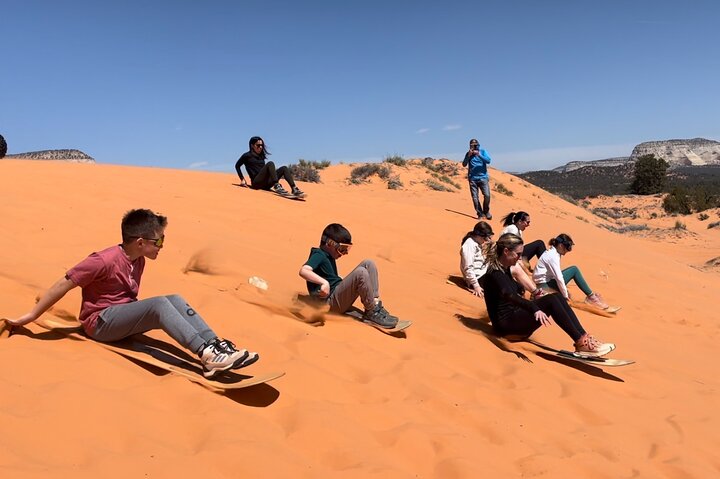
Hurricane sits at a crossroads of slickrock, red-dirt benchlands, and managed dunes—terrain that makes it one of the most varied ATV/UTV playgrounds in the West. From sand-swept beach trails around Sand Hollow Reservoir to technical slickrock runs on Little Creek and wide-open desert loops that chase the horizon, the area supplies everything riders want: diverse ground, dramatic color, and trails that connect to larger southern Utah networks. This guide focuses on practical planning, seasonal strategy, and the on-the-ground experience so you can pick the right machine, the right route, and the right time to ride.

Sand Hollow State ParkLittle Creek MesaRed Cliffs Desert ReserveZion Gateway Trails

Live destination inventory

Top ATV/UTV Trips in Hurricane

62 trips · Book with confidence · Instant confirmation

The prototype intentionally does not invent replacement trip cards or add images that are not already part of the live source page.

The city from the water

Why Hurricane Is a Standout ATV/UTV Destination

Hurricane occupies a rare intersection of landscapes that reads like a rider’s checklist: clean sand beaches, exposed sandstone slabs, expansive desert terraces, and sheltered washes. The town itself is modest, but its proximity to a constellation of rideable public lands—Sand Hollow State Park, Little Creek Mesa, the Red Cliffs Desert Reserve and access routes toward Zion’s eastern approaches—means you can jump from soft-sand dune runs to technical slickrock in the same morning. For riders, that variety matters. It challenges technique and invites experimentation: a narrow sandy bench that rewards throttle control, then a slab of Navajo sandstone that demands line choice and a light touch. Few places pack that much microclimate and microterrain into a short drive. Beyond the ground under your wheels, Hurricane is strategically placed for multi-day loops and shuttle-friendly outings. The highway network and nearby trailheads make it simple to leave an ATV at one trailhead and pick it up miles later, a convenience that encourages longer exploratory loops instead of repeating the same segment. Local outfitters and rental operators have also built expertise around the area’s soils and trail etiquette; they know where sand traps eat drivetrains and which slickrock features are best attempted at lower temperatures. That local knowledge dramatically reduces friction for visitors unfamiliar with southwestern desert riding. Seasonality shapes the experience more than many riders expect. Spring and fall bring ideal temperatures and stable ground conditions; summer can be brutally hot on open desert stretches and may compact sand into sticky drifts under midday sun, while winter nights can harden clay-capped trails and flip grip levels overnight. Monsoon season introduces a different variable: sudden washouts and the potential for ephemeral pools on low-lying tracks. Part of Hurricane’s appeal is this dynamic nature—each season tests different skills and favors different routes—so the savvy rider plans for weather and carries a flexible itinerary. Finally, the cultural frame is part of the draw. The town is rooted in outdoor life: small outfitters, locally informed guides, and a community that balances recreation with conservation. Riding here means you’re not just chasing a scenic postcard; you’re participating in a landscape with rules, neighbors, and fragile ecosystems. Respect for closures, seasonal wildlife protections, and responsible vehicle use are all part of ensuring Hurricane remains a premier ATV/UTV destination for years to come.

Terrain variety: Sandy benches, dune fields, slickrock slabs, and desert washes exist within short drives of one another—ideal for riders who want both technical challenges and open-speed runs.

Access and logistics: Highway access, multiple trailheads, rental providers, and nearby services make Hurricane an easy basecamp for day trips or multi-day loops.
Activity focus

Choose by purpose

Whale watching, snorkeling, sunset sailing, cultural canoeing, harbor sightseeing, or private chartering.

Departure hubs

Start near the city

Waikiki and Honolulu Harbor are primary hubs, with some trips launching near Hanauma Bay.

Accessibility

Confirm the vessel

Gangways, shaded seating, and boarding requirements vary according to vessel size and operator.

Seasonal planning

Best Time to Visit

Hurricane is warm year-round, but wind, swell, migration, visibility, and demand change the best match between traveler and trip.

Hurricane boat tour
Year-round destination

Seasonal highlights change the reason to go

Winter favors humpback encounters; warmer, calmer months favor snorkeling visibility and smoother water.

Humpback season

Spring weekends and fall holiday periods (when temps are mild) are busiest, especially at Sand Hollow.

Prime whale watching, winter holidays, higher demand, and earlier sell-outs.

Snorkeling window

March–April–May–September–October

Typically gentler seas and clearer water for snorkeling trips.

Weather notes

Trade winds year-round

Hurricane has a high-desert climate: warm days, cool nights. Spring and fall offer the most comfortable daytime temps for riding. Summer afternoons can be dangerously hot on exposed desert trails; plan early starts. Monsoon season (typically mid-summer) can produce sudden storms and flash floods in washes. Winter brings cold nights and potential frost; low-elevation trails are often rideable but conditions vary.

Quieter opportunities

Late spring & summer weekdays

Winter weekdays provide solitude and lower trail use, but check for frozen ground and cold-weather gear. High-summer mornings offer quieter dunes if you start before heat builds.

Match the trip to your comfort

Choose Your Experience Level

Low effort

Beginner

Short, low-technical loops on packed trails and sand beaches. Ideal for riders getting comfortable with throttle control and basic vehicle handling.

  • Sand Hollow beach loops
  • Beginner bench runs at nearby BLM staging areas
  • Guided UTV orientation ride
Active day trip

Intermediate

Longer loops with varied surfaces—soft sand sections, modest slickrock, and occasional steep washes. Requires good throttle modulation and basic recovery skills.

  • Little Creek Mesa mixed-surface loop
  • Connector rides toward the Hurricane Rim
  • Technical sand-to-slickrock transition runs
Longer or technical

Advanced

Technical slab lines, narrow canyon approaches, and extended remote loops requiring advanced line choice, vehicle prep, and self-recovery experience.

  • Slickrock technical descents on Little Creek features
  • Extended multi-day desert loops with remote staging
  • Dune-and-slab linkups at sunrise or late afternoon

Prepare for sun, spray, and swell

What to Bring

Essential

Core kit

  • DOT-approved helmet (required for many rental providers)
  • Extra fuel or range-extending jerry can—some routes are remote
  • Hydration system and electrolyte replacements
  • Tool kit with tire repair kit and portable air pump
  • Navigation: GPS device or offline map with waypoints
  • Vehicle registration and proof of insurance (if applicable)
Recommended

Useful extras

  • Spare drive belt and basic spare parts for ATVs/UTVs
  • Lightweight recovery gear: tow straps, shackles, and a shovel
  • Protective riding gear: goggles, gloves, long sleeves, and durable pants
  • Sunscreen, lip balm, and a sun hat for breaks
  • Small first-aid kit and emergency signaling device
Optional

Trip-specific

  • Sand-specific tires or beadlock wheels for dune runs
  • Portable traction mats for soft-sand extraction
  • Two-way radios or satellite messenger for group coordination
  • Lightweight camp stove and emergency shelter for extended outings
Respect closures, check current park and BLM rules, and travel with a plan and backup communications.

Insider Tips & Local Knowledge

Reserve whale-watching and popular sunset cruises well ahead during December–April.
Choose morning snorkeling departures for calmer seas and better underwater visibility.
For motion sensitivity, choose a larger vessel, sit mid-ship, and take preventative medication before boarding.
Do not touch coral or wildlife, avoid standing on reefs, and use reef-safe sunscreen.
Community-based operators may add context about traditional navigation and stewardship.
Arrive early for parking and check-in because Waikiki departure areas can be busy.

Planning questions

Frequently Asked Questions

Sand Hollow State Park requires a day-use fee or park pass; other public lands may have different fees or seasonal restrictions. Always check current park and BLM regulations before heading out.
Top ATV/UTV Adventures in Hurricane, Utah
Ready for your atv/utv adventure?

Browse 62 verified trips in Hurricane.

Compare current availability and book with instant confirmation.

Explore Hurricane atv/utv