Why Idaho Springs Is a Standout Train Destination
Train travel in Idaho Springs is less about point A to point B and more about a short-time machine: you step into a car and slide back into the clang of an industrial century, where steam and steel met mountain rock. The valley around Idaho Springs is threaded by the infrastructure of Colorado’s mining boom — narrow-gauge alignments, trestles perched over Clear Creek, short tunnels burrowed through granite. Those remnants remain legible on the landscape and visitor experiences translate them into accessible, tactile narratives. Boarding a train here is a way to feel the geography: the way the engine exhales at a grade, the snap of cold air through window frames when a tunnel mouth opens, and the exposed faces of cliffs that tell decades of winter storms and hard rock blasting. The intimacy of these rides sets Idaho Springs apart. Unlike long-distance scenic lines that cross whole states, local train rides concentrate their drama into short stretches, making the experience dense with texture. You don’t need a day to commit; an hour can include a historical talk, a photo stop, and a restorative pause on a platform with a mountain vista.
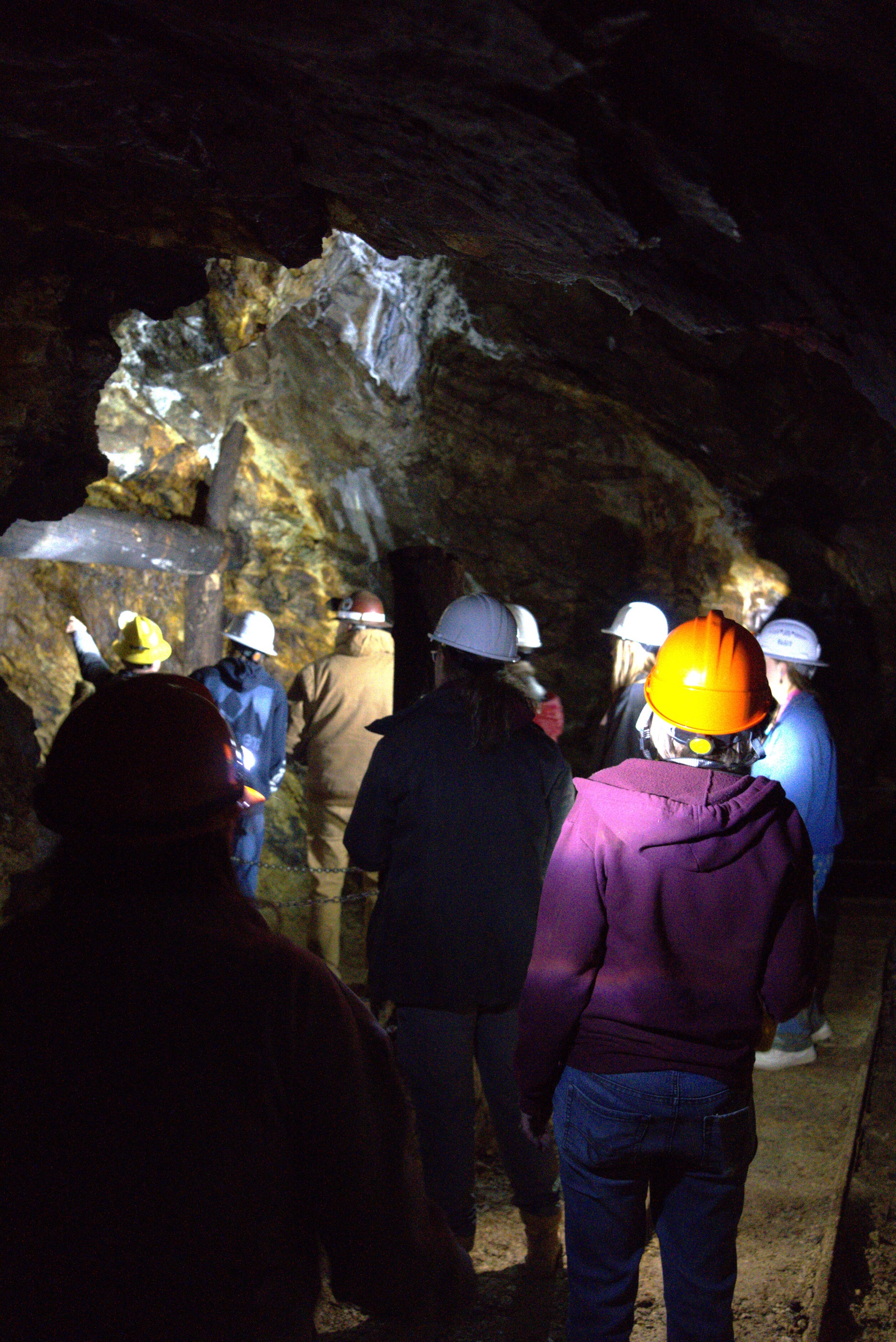
Beyond the sensory pleasures there’s a deep cultural seam running through the rides. Railroads here were instruments of extraction, community, and survival: they brought supplies, hauled ore, and stitched together isolated mountain towns. Interpretive elements along many of the train experiences put riders close to mine portals, engine yards, and preservation workshops. For families and rail fans alike, that blend of natural spectacle and material history delivers double duty — outdoor sightseeing alongside a tactile lesson in regional development. The trains also act as connectors to complementary outdoor pursuits. A short ride can land you within walking distance of trailheads, gold rush-era ghost town remnants, or riverside corridors perfect for a post-ride picnic or short hike. In spring and summer, rides pair well with rafting on Clear Creek or wildflower walks; in shoulder seasons they become photographic platforms for low-angle light on canyon walls.
Practical appeal is part of the story too. Train experiences in and around Idaho Springs are accessible from Denver along I-70 and make efficient use of a traveler’s time: ideal for day-trippers, families with mixed abilities, and travelers seeking low-effort access to mountain scenery. The compact nature of the town means logistics are simple — short drives between parking, launch points, and local eateries — and many operations are intentionally visitor-friendly, offering sheltered seating, interpretive staff, and quick-turn schedules. Yet the experience retains enough grit to satisfy enthusiasts: working steam demonstrations, preserved rolling stock, and volunteer-staffed restoration shops give the rides authenticity that can’t be faked. In short, Idaho Springs’ train scene is a concentrated dose of Rocky Mountain railroad culture — intimate, historic, and conveniently staged for modern travel.
The region’s railways are rooted in mining history; many trains follow lines that once served ore houses and mills, so rides are as much about industrial heritage as they are about scenery.
Short, scenic runs make trains in Idaho Springs perfect complements to hiking, hot springs visits, and river activities — dovetailing with half-day or full-day itineraries.
Preservation-minded operations mean you’ll often find volunteers, restoration workshops, and steam demonstrations that deepen the experience beyond a simple ride.