Top 10 ATV & UTV Routes in Inglis, Florida
Inglis ATV/UTV Guide

Top 10 ATV & UTV Routes in Inglis, Florida

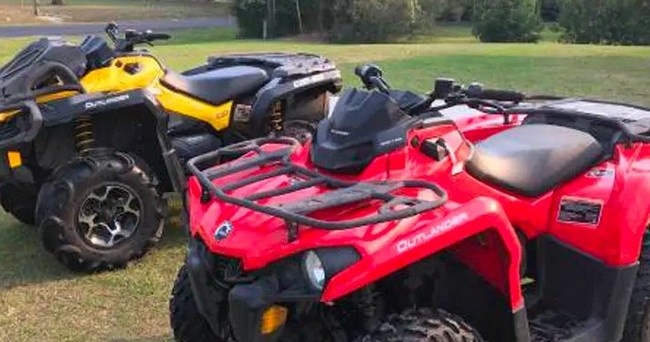
Inglis sits where salt air and scrub pines meet lowland rivers, and that edge creates accessible, variety-rich terrain for ATVs and UTVs. Expect flat expanses of sand and shell, narrow riverbank runs, farms with private tracks, and mud slots that come alive after a storm. This guide focuses on the riding experience here—where to go, when to head out, what to bring, and how to pair a day on the throttle with fishing, beachcombing, or a sunset campfire.

Coastal Sand FlatsRiver Edge TrailsRural Ranch Tracks

Live destination inventory

Top ATV/UTV Trips in Inglis

10 trips · Book with confidence · Instant confirmation

The prototype intentionally does not invent replacement trip cards or add images that are not already part of the live source page.

The city from the water

Why Inglis Is a Standout ATV/UTV Destination

Inglis is not a mountain town or a red‑rock playground, and that’s precisely why the area appeals to riders who want something different: wide, low-country riding that favors endurance, navigation, and a sense of solitude. The landscape here is a mosaic of Georgia‑to-Florida coastal plains—saltgrass flats, oak hammocks, pine scrub, tidal inlets, and the slow curves of river channels. For ATV and UTV enthusiasts, that translates to varied underfoot surfaces (soft sand, shell-packed lanes, compacted dirt, and seasonal mud), tight tree-lined single-track through scrub, and open loops that feel endless in the late afternoon light. The terrain is forgiving on elevation but demanding in its micro-conditions: a dry spell hardens sandy tracks into gritty speedways; a week of rain carves fresh mud trenches and throws in a technical edge. Riding here strikes a balance between relaxed exploration and tactical driving: you’ll find long, flat runs perfect for rhythm riding and throttle management, but also short technical sections where tire choice, suspension tuning, and recovery gear matter. Inglis’s proximity to tidal waterways creates unique route options—riverbank spurs and shell-lined tracks that are best timed to tides and weather. Many routes thread private ranch roads and rural backroads; that mix of public and private access means local knowledge pays off. Pairing a ride with other outdoor pursuits is part of the appeal: launch a kayak at a river put‑in for an early morning paddle, stash a cooler and hit the beach for shelling after a midday loop, or camp under pines and let the UTV serve as basecamp transport. Practical advantages also set Inglis apart. Compared with heavily developed coastal destinations, Inglis offers lower traffic on riding routes, easy trailhead access from county roads, and a landscape that changes character across short distances—one field becomes a tidal flat, then an oak corridor, then a farm track. Those shifts make it ideal for mixed-ability groups: novices can practice throttle control on forgiving flats while intermediate riders explore drainage crossings or tight scrub lanes. The riding season leans toward fall through spring to avoid peak heat and humidity; during those months the trails are drier, insect pressure drops, and sunset rides deliver long golden light over the marshes. Notably, riding responsibly here means knowing the boundaries—respecting private property, checking local land manager rules, and adhering to any seasonal closures for nesting birds or wet-season restrictions. When you get it right, Inglis gives you quiet mileage, coastal textures under your tires, and a regional character that feels both rural and thoroughly Floridian.

Riding style: Expect a mix of fast, flat runs where momentum is your friend and short technical sections where traction and line choice matter. Sand and shell demand lower tire pressure and a steady hand; mud requires winches and recovery straps.

Landscape variety: The area's low elevation hides its complexity—tide-influenced trails, river terraces, farm roads, and scrub corridors each offer different challenges and scenery.

The harbor is the gateway, and the Pacific becomes the classroom.

Community & logistics: Local outfitters and ranch owners sometimes offer guided loops or temporary access; working with local operators can simplify route-finding and ensure you’re riding legally and safely.

Activity focus

Choose by purpose

Whale watching, snorkeling, sunset sailing, cultural canoeing, harbor sightseeing, or private chartering.

Departure hubs

Start near the city

Waikiki and Honolulu Harbor are primary hubs, with some trips launching near Hanauma Bay.

Accessibility

Confirm the vessel

Gangways, shaded seating, and boarding requirements vary according to vessel size and operator.
Seasonal planning

Best Time to Visit

Inglis is warm year-round, but wind, swell, migration, visibility, and demand change the best match between traveler and trip.

Inglis boat tour
Year-round destination

Seasonal highlights change the reason to go

Winter favors humpback encounters; warmer, calmer months favor snorkeling visibility and smoother water.

Humpback season

Winter holidays and early spring are busiest for outdoor recreation in the region.

Prime whale watching, winter holidays, higher demand, and earlier sell-outs.

Snorkeling window

November–December–January–February–March–April

Typically gentler seas and clearer water for snorkeling trips.

Weather notes

Trade winds year-round

Fall through spring offers lower humidity, milder temperatures, and firmer trails. Summers are hot, humid, and prone to afternoon thunderstorms; hurricane season (June–November) can bring heavy rainfall that saturates routes and creates extended closures.

Quieter opportunities

Late spring & summer weekdays

Summer riding rewards those prepared for heat—early morning loops and late-evening rides avoid the worst temperatures, and post-storm mud runs offer technical challenges for experienced riders.

Match the trip to your comfort

Choose Your Experience Level

Low effort

Beginner

Wide, flat sand and dirt loops with gentle cornering and low technicality—ideal for learning throttle control and basic recovery skills.

  • Gentle sand-plain loop
  • Short river-edge reconnaissance ride
  • Guided beginner circuit on ranch tracks
Active day trip

Intermediate

Longer mileage on mixed surfaces, occasional mud slots and tighter scrub sections that require line choice and simple mechanical knowledge.

  • Mixed-surface loop with sand and shell lanes
  • River terrace route timed to low tide
  • Half-day ride combining public access and permitted private tracks
Longer or technical

Advanced

Extended backroad navigation, deep-sand technical sections, and wet-season mud riding that demand winches, recovery expertise, and route-finding experience.

  • All-day exploratory loop across tidal flats and inland scrub
  • Wet-season mud runs with planned recovery points
  • Multi-stop trip linking riding with camping and kayaking

Prepare for sun, spray, and swell

What to Bring

Essential

Core kit

  • DOT‑approved helmet (or per local law), goggles, and gloves
  • Vehicle recovery kit: straps, shackles, and a basic winch or portable air compressor
  • Tire repair kit and pump—sand and shells can puncture tires
  • Navigation (GPS device or offline map) and route notes
  • Plenty of water, high‑energy snacks, and sun protection
Recommended

Useful extras

  • Lower-pressure tires or beadlock wheels for sand sections
  • Lightweight soft shackles and a recovery blanket
  • Compact first‑aid kit and signaling device
  • Dry bags for phones and paperwork when near tidal zones
  • Spare key and basic tool kit for roadside repairs
Optional

Trip-specific

  • Portable tide chart or tide app for river and coast spurs
  • Binoculars for birding along marsh edges
  • A small stove or camp grill if combining riding with an overnight
  • Camera with durable case for shelling and sunset shots
Respect private property and wildlife; check local rules for access and seasonal closures.

Insider Tips & Local Knowledge

Reserve whale-watching and popular sunset cruises well ahead during December–April.
Choose morning snorkeling departures for calmer seas and better underwater visibility.
For motion sensitivity, choose a larger vessel, sit mid-ship, and take preventative medication before boarding.
Do not touch coral or wildlife, avoid standing on reefs, and use reef-safe sunscreen.
Community-based operators may add context about traditional navigation and stewardship.
Arrive early for parking and check-in because Waikiki departure areas can be busy.

Planning questions

Frequently Asked Questions

It depends on the specific route and landowner. Some public lands require OHV permits or seasonal passes; many private ranch tracks operate by permission only. Check with local land managers or outfitters before you ride.
Top 10 ATV & UTV Routes in Inglis, Florida
Ready for your atv/utv adventure?

Browse 10 verified trips in Inglis.

Compare current availability and book with instant confirmation.

Explore Inglis atv/utv