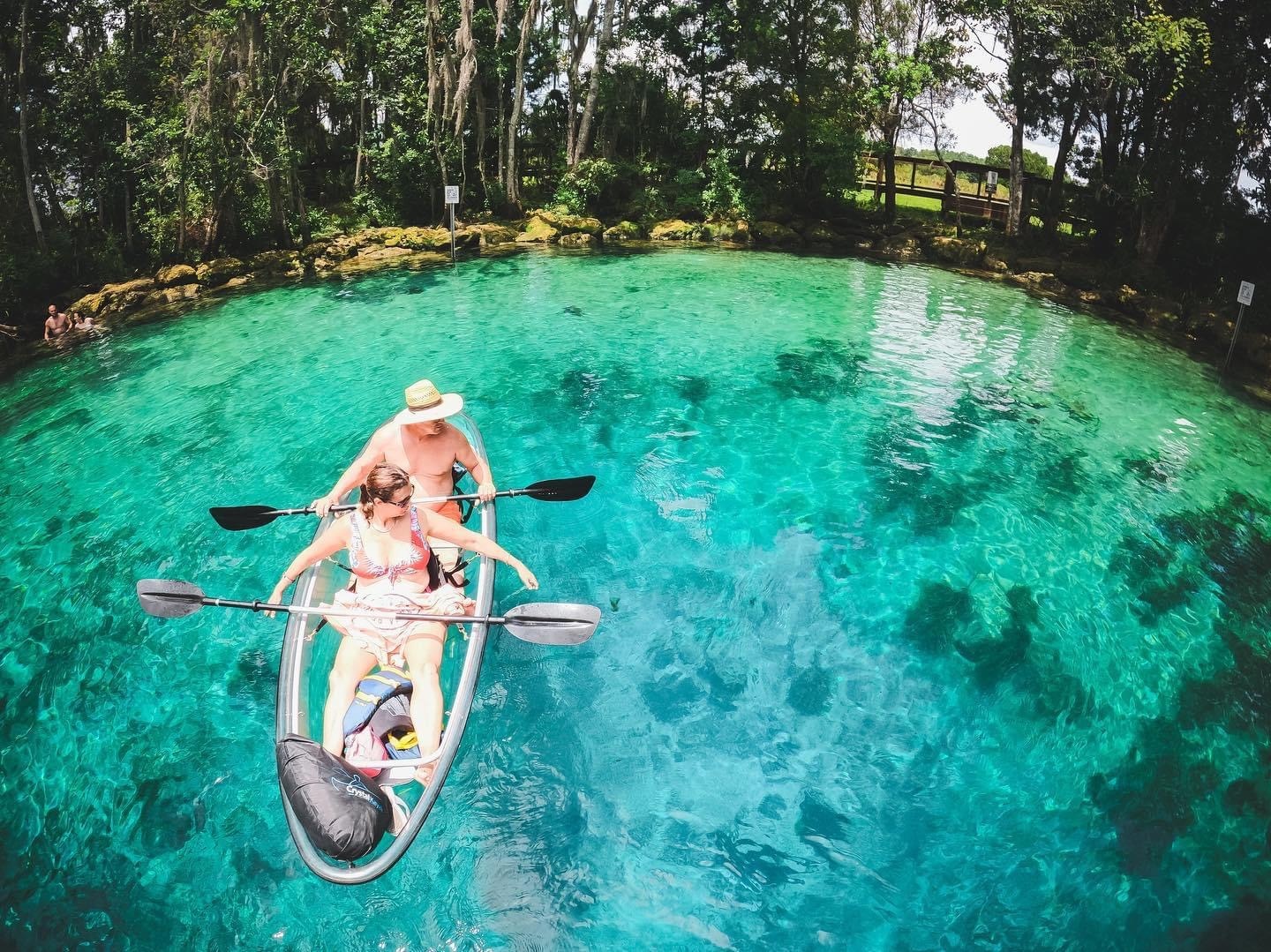
Inglis sits on the gentle fringe where estuary and open Gulf mix, and that mixing bowl of currents and shallow water creates prime foraging and travel routes for dolphins. The animals you see off Inglis are typically coastal bottlenose dolphins—curious, social, and often visible just beyond the breakers or in the channels that thread salt marshes and tidal flats. For travelers who want encounters that feel intimate rather than industrial, Inglis delivers a quieter, small-scale experience: local outfitters run low-capacity skiffs and guided kayak trips that emphasize reading animal behavior over chasing a photo opportunity.
The character of dolphin outings here is shaped by place. Low, exposed shorelines and shallow seagrass beds concentrate fish and crustaceans at certain tides, and dolphins follow. That means the best sightseeing windows are a function of tide and light as much as season; early morning and late afternoon sessions often bring calmer seas, better lighting for photography, and more predictable dolphin movements. Because Inglis isn’t built for heavy tourism, encounters tend to involve smaller pods and more natural behavior—spinning, bow-riding when boats travel responsibly, and quiet foraging runs through channels.
Beyond the animal sightings, dolphin-focused trips in this part of Florida pair naturally with a handful of complementary activities. A typical day can combine a short estuary paddle to approach quiet channels, a shallow-water snorkel over seagrass flats (where permitted), and a low-key skiff ride across calm flats for open-water watching. Birding is a reliable side benefit—wading birds and raptors concentrate on the same tidal edges as fish, offering layered wildlife viewing on a single outing. Importantly, the local ethic leans toward conservation-minded operations: many guides follow NOAA interaction guidelines and local rules, prioritizing non-intrusive observation and educating guests about habitat pressures such as water quality and boat disturbance.
For planners, Inglis rewards modest expectations and nimble timing. The coolest, most rewarding experiences come from tuning into tide tables, choosing smaller group operators, and arriving at sunrise when the light, sound, and sea align. Whether you’re after a soft, photogenic encounter or a full day of coastal ecology, the town’s scale and shoreline geography make it a deceptively rich base for dolphin-focused exploration.
Smaller local operators: look for small skiff and kayak tours that enforce respectful viewing distances and limit group size.
Tidal timing matters: high and outgoing tides often concentrate prey in channels, which draws dolphins closer to shore.
The harbor is the gateway, and the Pacific becomes the classroom.
Complementary activities: pair dolphin watching with birding, estuary paddles, and shallow snorkeling for a fuller coastal day.
Choose by purpose
Whale watching, snorkeling, sunset sailing, cultural canoeing, harbor sightseeing, or private chartering.
Start near the city
Waikiki and Honolulu Harbor are primary hubs, with some trips launching near Hanauma Bay.
Confirm the vessel
Gangways, shaded seating, and boarding requirements vary according to vessel size and operator.