Top 30 Eco Tours in Inglis, Florida
Inglis Eco Tour Guide

Top 30 Eco Tours in Inglis, Florida

Inglis is a compact coastal town whose real draw is the water: a braided estuary of river, tidal marsh, and Gulf inlets that supports an outsized cast of wildlife. Eco tours here are intimate—kayak guides who know every oyster bar, boat naturalists who read the tides like a map, and birding walks that follow the migration corridors of shorebirds and raptors. This guide focuses tightly on eco-tour experiences: wildlife-focused boat tours, guided kayak and paddleboard trips through mangrove tunnels, volunteer restoration outings, and low-impact wildlife watching that connects you to Florida’s subtropical estuary systems.

Withlacoochee RiverGulf Coast MarshesMangrove Shorelines

Live destination inventory

Top Eco Tour Trips in Inglis

30 trips · Book with confidence · Instant confirmation

The prototype intentionally does not invent replacement trip cards or add images that are not already part of the live source page.

The city from the water

Why Inglis Is a Standout Eco Tour Destination

Inglis sits at a quiet threshold where river meets sea, and that boundary makes it an unexpectedly rich classroom for eco-tourism. The Withlacoochee’s tannin-dark flow threads into tidal marshes and shallow bays, creating habitats that shift with the tide: sunlit seagrass flats that nurture juvenile fish, oyster reefs that filter the water, and labyrinthine mangrove roots that shelter fiddler crabs and juvenile snook. For travelers seeking an eco tour experience that feels intimate rather than industrialized, Inglis delivers quiet expanses of water, expert local guides, and a sense that each paddle stroke or binocular lift brings a new ecological story into focus. On an Inglis eco tour you move slowly by design. Guides emphasize observation and context—why a flock of willets arcs in sync, how seasonal freshwater pulses influence salinity, and what a healthy oyster bar looks like after a restoration season. Tours range from short interpretive boat tours that introduce the estuary’s food-web dynamics to multi-hour kayak excursions that thread through mangrove tunnels and past nesting islands. Many operators also weave in conservation practice: citizen-science counts, shoreline cleanups, or oyster-reef workdays that let visitors contribute to habitat recovery. That blend of learning and stewardship is a defining feature of the area’s eco-tour offerings and why many visitors return not only for the wildlife sightings but for the hands-on understanding of place. Culturally and historically, this coastal edge has long been a meeting place—Indigenous communities, early fishermen, and modern conservationists have all read the tides and adapted to the shifting shoreline. Today’s tours often touch on that layered human story, explaining how traditional harvesting, the construction and downstream effects of small dams, and modern land-use changes have shaped current conditions. Guides will point out shell middens, explain the role of estuaries in regional fisheries, and frame present-day conservation within that broader timeline. Practically, Inglis’s eco tours are attractive because they scale. You can book a restful two-hour birding cruise with a family, join a strenuous paddling day that covers open flats and tidal currents, or volunteer for a morning of habitat restoration—each offering a different way to engage with the same ecological processes. The result is a destination that’s less about headline attractions and more about deepening a visitor’s ecological literacy, one tide at a time.

The best eco tours in Inglis put habitat health first. Operators often limit group sizes, avoid sensitive nesting sites, and steer clear of high-speed travel through shallow seagrass to minimize disturbance. That ethos means fewer dramatic encounters but more meaningful, repeatable wildlife viewing—manatees grazing under the boat, herons stalking the edge, or a skiff of pelicans working a bait ball.

Seasonality shapes what you’ll see. Winter months concentrate migrant shorebirds and make water-bird watching especially productive; spring brings nesting activity on islands and the return of warm-water species to the estuary. Because the region is low-lying and tidal, weather and water levels alter access—guides read those changes constantly, tailoring routes to both safety and ecological sensitivity.

Activity focus

Choose by purpose

Whale watching, snorkeling, sunset sailing, cultural canoeing, harbor sightseeing, or private chartering.

Departure hubs

Start near the city

Waikiki and Honolulu Harbor are primary hubs, with some trips launching near Hanauma Bay.

Accessibility

Confirm the vessel

Gangways, shaded seating, and boarding requirements vary according to vessel size and operator.
Seasonal planning

Best Time to Visit

Inglis is warm year-round, but wind, swell, migration, visibility, and demand change the best match between traveler and trip.

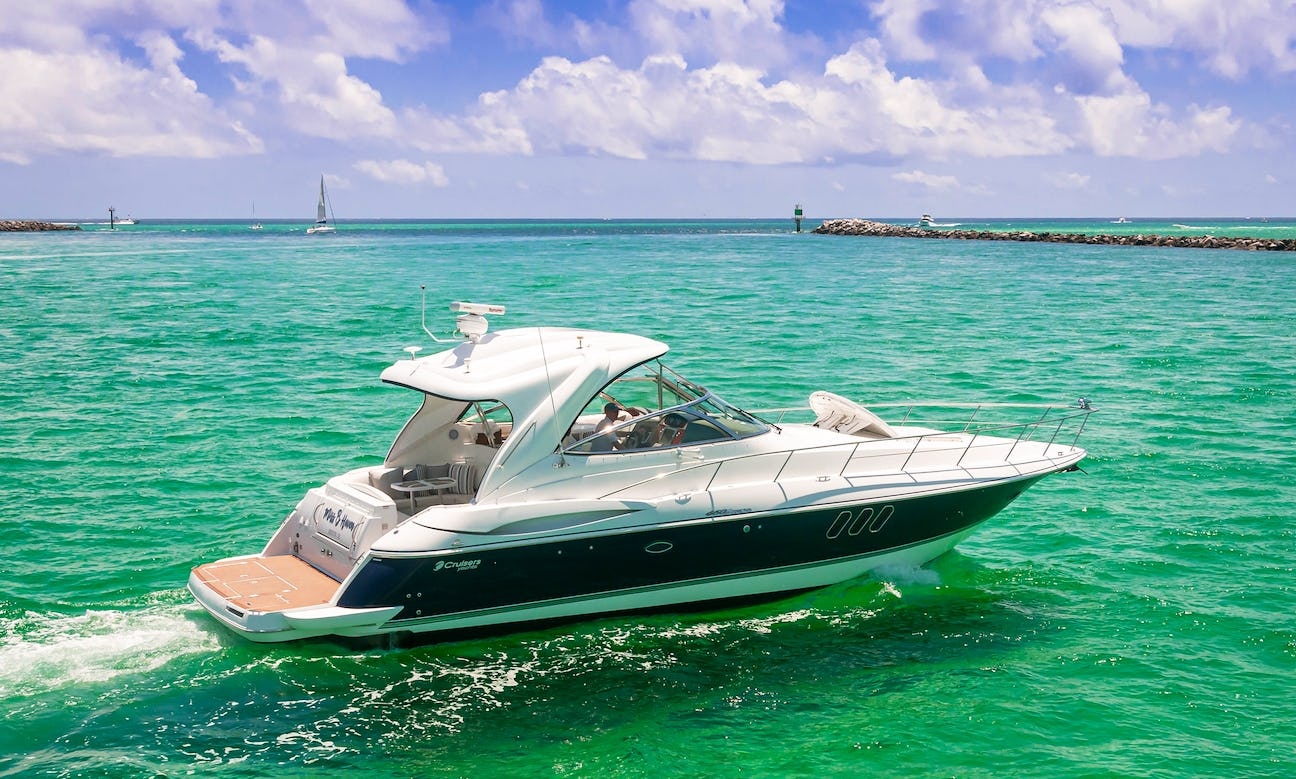
Inglis boat tour
Year-round destination

Seasonal highlights change the reason to go

Winter favors humpback encounters; warmer, calmer months favor snorkeling visibility and smoother water.

Humpback season

Late winter through early spring (bird migration and comfortable paddling conditions).

Prime whale watching, winter holidays, higher demand, and earlier sell-outs.

Snorkeling window

November–December–January–February–March–April

Typically gentler seas and clearer water for snorkeling trips.

Weather notes

Trade winds year-round

Mild, drier winter months concentrate migratory birds and make paddling comfortable. Summers are hot and humid with afternoon thunderstorms and higher insect activity; sea breezes and early departures mitigate heat. Tides and recent rainfall strongly influence water clarity and access to shallow flats.

Quieter opportunities

Late spring & summer weekdays

Summer offers warm-water sighting opportunities for juvenile fish, active mangrove growth, and quieter tours—mornings and evenings are best to avoid heat and bugs.

Match the trip to your comfort

Choose Your Experience Level

Low effort

Beginner

Short boat cruises and sheltered, guided kayak trips on calm water, focused on wildlife observation rather than paddling distance.

  • Two-hour interpretive boat tour of the estuary
  • Guided mangrove kayak introduction
  • Shoreline birding walk with a naturalist
Active day trip

Intermediate

Multi-hour paddles through tidal channels and over shallow flats that require basic tide-awareness and comfortable paddling skills.

  • Half-day kayak loop through mangrove tunnels
  • Guided paddleboard tour across estuary flats
  • Sunrise birding cruise with active field identification
Longer or technical

Advanced

Longer open-water excursions that cross tidal passes, require current planning, and may include snorkeling or conservation workdays involving heavy lifting or extended time on the water.

  • Full-day coastal paddling linking river and bay
  • Tidal-current navigation training paddle
  • Volunteer oyster-reef restoration day

Prepare for sun, spray, and swell

What to Bring

Essential

Core kit

  • Sun protection: hat, SPF sunscreen, polarized sunglasses
  • Light, quick-dry clothing and a wind/rain shell
  • Reusable water bottle and snacks
  • Close-focusing binoculars for birding
  • Waterproof bag for phone/camera
Recommended

Useful extras

  • Light neoprene booties or water shoes (for launching kayaks)
  • Insect repellent (especially in warmer months)
  • Compact camera with zoom or tele lens
  • Small personal first-aid kit
  • Trash bag for paired cleanup or volunteer outings
Optional

Trip-specific

  • Wetsuit or splash jacket for cooler-season paddles
  • Spare dry clothes in vehicle
  • Field guide for Gulf Coast birds or coastal plants
  • Gloves for hands-on restoration events
Book early for peak-season morning slots; verify tide and insect conditions; support operators who practice low-impact touring.

Insider Tips & Local Knowledge

Reserve whale-watching and popular sunset cruises well ahead during December–April.
Choose morning snorkeling departures for calmer seas and better underwater visibility.
For motion sensitivity, choose a larger vessel, sit mid-ship, and take preventative medication before boarding.
Do not touch coral or wildlife, avoid standing on reefs, and use reef-safe sunscreen.
Community-based operators may add context about traditional navigation and stewardship.
Arrive early for parking and check-in because Waikiki departure areas can be busy.

Planning questions

Frequently Asked Questions

No—many operator options cater to beginners with stable kayaks or short boat cruises. Intermediate paddlers can choose longer routes; advanced routes may include tidal-current navigation. Operators will describe required skill levels when booking.
Top 30 Eco Tours in Inglis, Florida
Ready for your eco tour adventure?

Browse 30 verified trips in Inglis.

Compare current availability and book with instant confirmation.

Explore Inglis eco tour