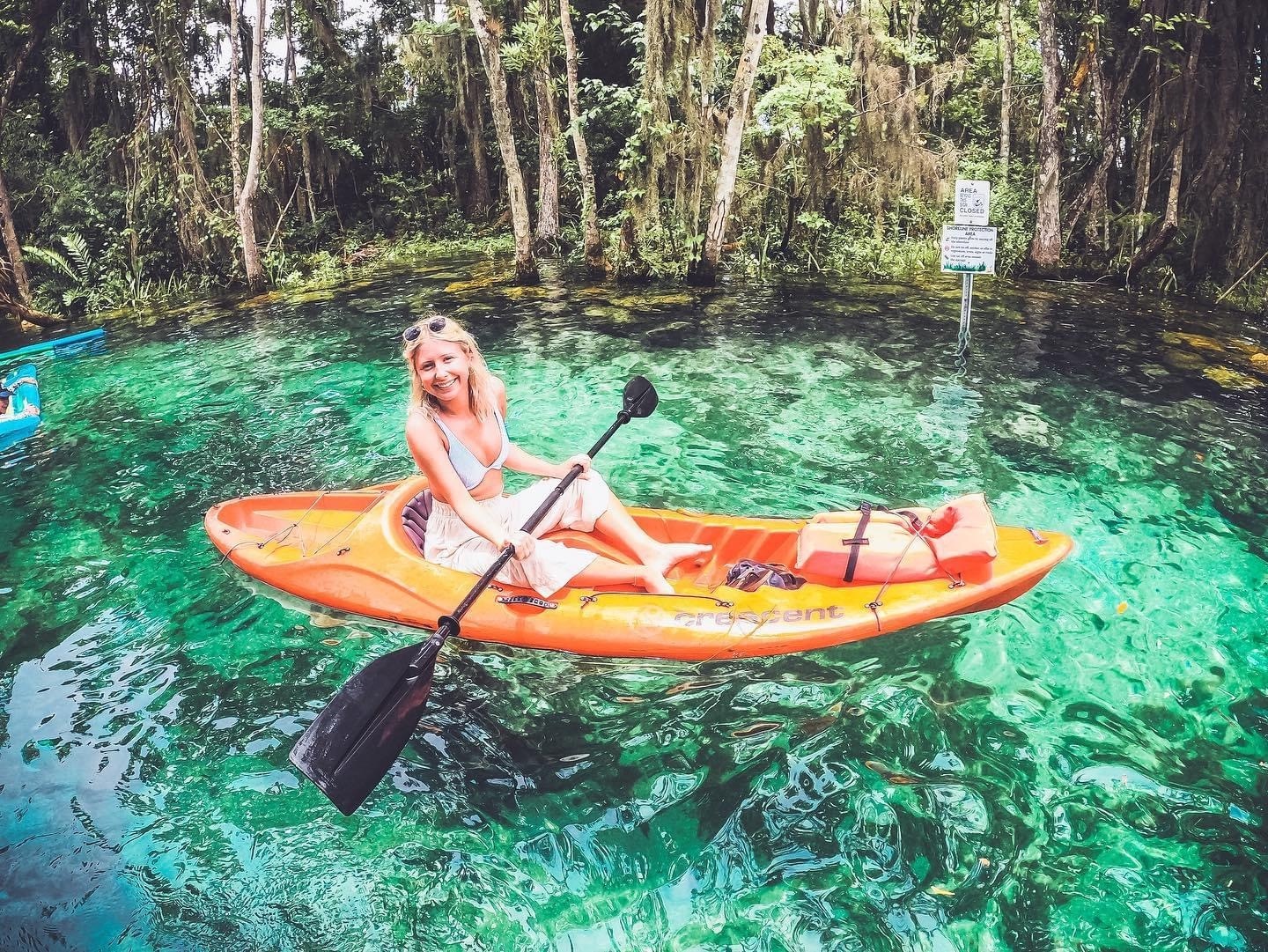
Inglis may not shout its credentials like a developed resort town, but for snorkelers who prefer intimacy with coastal ecosystems, it offers something increasingly rare: accessible, shallow-water exploration in a working coastal landscape. Here the shoreline is a collage of salt marsh, mangrove thickets, and seagrass meadows—habitats that support juvenile fish, crustaceans, and the eelgrass beds that make Florida’s Gulf Coast both productive and fragile. Snorkeling in and around Inglis is less about dramatic coral walls and more about the subtler rewards of a healthy estuary: darting pipefish, arches of oyster formations, schools of juvenile snapper and trout, and the slow ballet of rays gliding over sandy flats.
Tides and wind shape the experience. On glassy mornings the shallow flats become living aquariums—visibility can be excellent and the light reveals the intricate colors of seagrass and shell. After heavy rains, runoff from rivers and canals can muddy the water, so timing and local knowledge matter. Many of Inglis’s best spots are reached by small boat or paddlecraft, which also allows snorkelers to access offshore grassbeds and protected oyster bars that sit beyond the immediate shoreline. These sites are ideal for snorkelers who want diversity: a morning among mangrove prop roots and mud crabs, then a short trip to a grassy flat where rays and juvenile fish congregate.
The human story is part of the experience. Inglis and the surrounding Citrus County towns are maritime places—fishing, small marinas, and quiet coastal communities shape the shoreline. That mix of people and habitat means visitors should come with a stewardship mindset: avoid trampling seagrass, never handle marine life, and use reef-safe sunscreen. The area pairs naturally with other low-impact adventures: paddleboarding through mangrove tunnels, birding along tidal creeks, or a guided boat trip that combines snorkeling with coastal history and naturalist interpretation. For travelers seeking a snorkel trip that balances accessibility, wildlife encounters, and quiet coastal character, Inglis is an understated choice that rewards curiosity and considerate behavior.
The variety of shallow habitats makes Inglis beginner-friendly. Mangrove arms and sheltered bays provide calm conditions and shallow water where you can acclimate to snorkeling before venturing to deeper grassbeds. These areas are especially good for families and newer snorkelers because they reduce exposure to current and boat traffic.
Seasonality matters. Warm months generally bring clearer, warmer water ideal for lingering swims and spotting juvenile fish. Winter concentrates manatees in nearby warm springs—an incredible wildlife spectacle that carries its own set of regulations and best-practice behaviors. Local operators often shift their offerings with the seasons, so booking a boat or guided trip can both enhance safety and increase wildlife sightings.
The harbor is the gateway, and the Pacific becomes the classroom.
Conservation is central to the experience. Seagrass meadows are nursery grounds; oysters filter water; mangroves protect shorelines. Snorkelers who tread lightly—staying off grass, keeping distance from wildlife, and packing out trash—help maintain the clarity and life that make Inglis worth visiting.
Choose by purpose
Whale watching, snorkeling, sunset sailing, cultural canoeing, harbor sightseeing, or private chartering.
Start near the city
Waikiki and Honolulu Harbor are primary hubs, with some trips launching near Hanauma Bay.
Confirm the vessel
Gangways, shaded seating, and boarding requirements vary according to vessel size and operator.