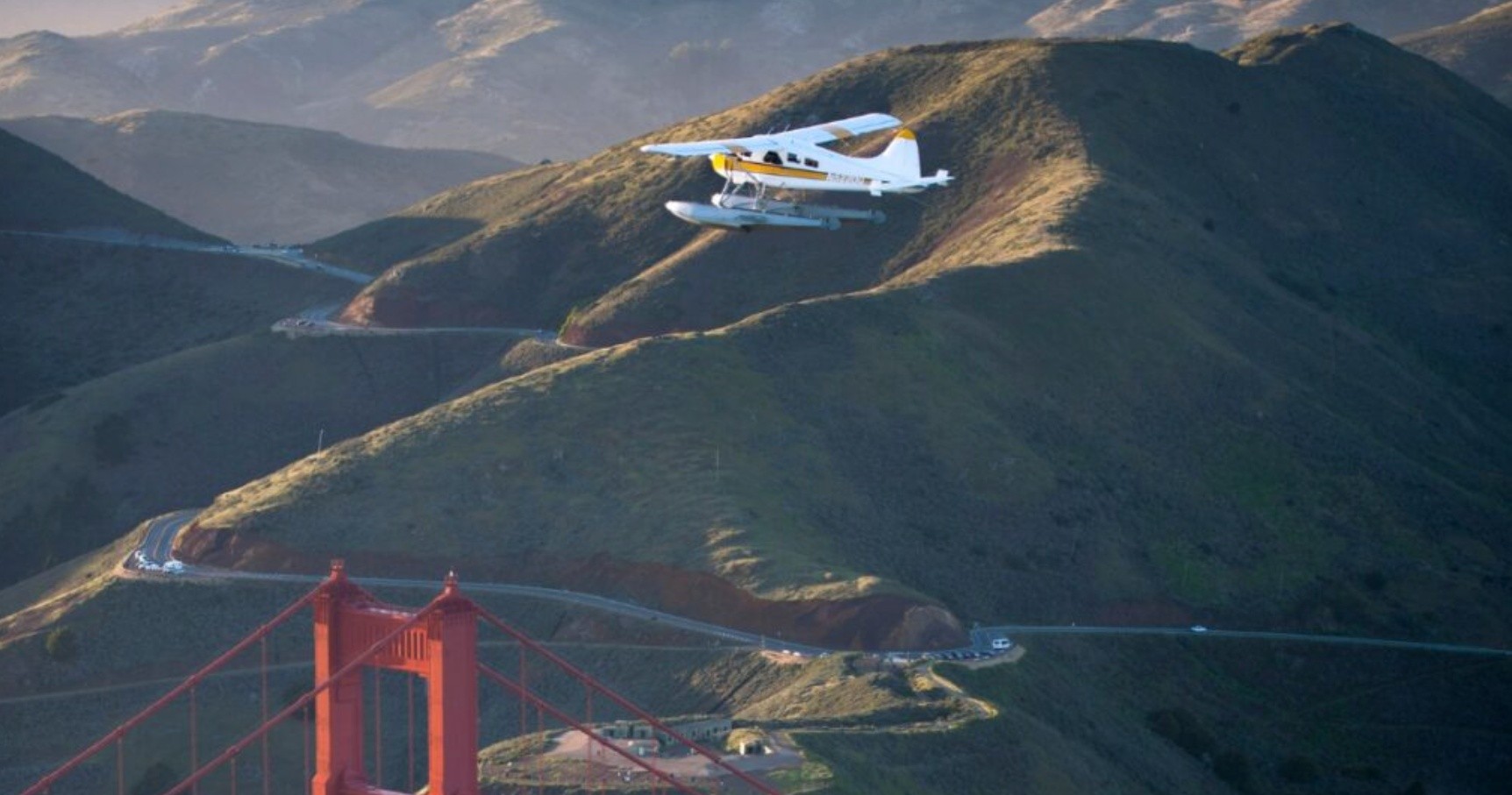
Why Inverness Is a Standout Airplane Destination
Inverness sits at a unique coastal hinge where the inland quiet of Tomales Bay meets the Pacific’s exposed headlands. Seen from the ground, the place is quietly dramatic; seen from a light aircraft, it becomes a lesson in geography and seasonal mood. Airplane experiences here are rarely about speed. They are about frame—how light slides along the water and inshore fog, how the Point Reyes ridge folds into beaches and sea stacks, how estuaries collect migratory birds. A short flight out of the Inverness area transforms a day trip into a layered narrative: oyster farms glimmer where bay currents slow, wind-whipped grasslands near Tomales Peak reveal deer and elk patterns, and the coastline reads like a cartographer’s flourish.
Season and weather pattern define the most essential part of planning. The familiar “June Gloom” of the California coast is part of the local character; some mornings present a thin marine layer that softens the landscape into pastel relief, while other days clear into sculptural light and razor-sharp visibility. Pilots and operators plan routes with that variability in mind—morning flights may sit low under the fog edge for a moody, cinematic experience, while mid- to late-morning windows after the marine layer burns off offer crystalline views of the Golden Gate, offshore rocks, and whale spouts when migrations align.
Beyond pure sightseeing, airplane activities around Inverness are a gateway to complementary outdoor pursuits. Aerial reconnaissance can show you the best beaches for a seaside picnic, the sandbar where a kayak launch is easiest at low tide, or the remote trails that reward a morning hike. For photographers, small craft offer unique light and angles—golden-hour approaches along the headlands produce long, cinematic shadows that emphasize landform detail. For travelers with a bent toward learning, many airplane experiences double as mini-lessons in coastal ecology: pilots narrate the bay’s tidal choreography, point out rookery sites, and outline how inland watersheds meet the ocean.
Practical considerations set the tone for a successful flight. Small aircraft are more sensitive to weight, wind, and gusts than commercial jets; seats on sightseeing flights are often limited and windows are prime, so booking with flexibility and an eye toward weather windows pays. Noise and wildlife protections also matter here—Point Reyes and surrounding preserves have specific rules and community expectations around low flights and landing access. Finally, expect intimate scale: these aren’t high-altitude transits but carefully routed hops designed to reveal a landscape that rewards patience and close observation. If you approach airplane adventures as a way to orient your larger trip—finding wildlife hotspots, planning beach and trail days, or harvesting photography angles—you’ll return to the ground with a clearer sense of where to explore next.
Airplane tours emphasize the interplay of land and sea: estuaries, kelp forests, and headlands are easiest to comprehend from above.
Weather windows—especially the daily rhythm of marine layer and afternoon clearing—shape the best flight times.
Small aircraft flights pair naturally with kayaking, coastal hikes, birding, and photography focused itineraries.
Local regulations and community sensitivities mean operators often fly set corridors and adhere to altitude recommendations near protected areas.