Stand-Up Paddleboarding (SUP) in Kahuku, Hawaii
Kahuku SUP Guide

Stand-Up Paddleboarding (SUP) in Kahuku, Hawaii

Kahuku splits the difference between surfer lore and quiet coastal water. For stand-up paddlers that means early-morning glass, reef-sheltered bays for beginners, and world-class surf windows for advanced SUP-surfing. This guide focuses on paddling—flatwater cruises, reef safaris, surf SUP, sunset tours, and how to pick the right launch for your skill set while respecting fragile reef and marine life.

North ShoreTurtle Bay & Kuilima CoveReef-protected Bays

Live destination inventory

Top SUP Trips in Kahuku

81 trips · Book with confidence · Instant confirmation

The prototype intentionally does not invent replacement trip cards or add images that are not already part of the live source page.

The city from the water

Why Kahuku Is a Standout SUP Destination

Kahuku occupies a rare coastal crossroad: fringed with coral reef that creates calm, clear lagoons one moment and world-class swell the next. Stand-up paddling here is an exercise in reading the sea—on calm mornings you can glide above orchid-blue shallows and watch profile of reef edges beneath your board; by season, swells wrap into point breaks that attract surfers and experienced SUP riders chasing long, carving runs. There’s a particular kind of hush to a pre-dawn paddle in Kahuku. The trade winds often sleep before mid-morning, leaving the water like glass. On those mornings, paddlers of all skill levels leave small coves and hotel beaches and follow reefs that hold snappers, surgeonfish, and the occasional honu (green sea turtle). The clarity of the water makes reef navigation almost intuitive and reveals the living topography beneath your feet: bommies, channels, and shallow flats that determine where you can stand, turn, and surf. Beyond conditions, Kahuku’s coastline feels both accessible and remote. A short drive off the main highway places you in neighborhoods of cane fields, sea cliffs, and long lava-formed shorelines. Access points are small—public beach parks, resort coves, and roadside pullouts—so planning a launch spot that matches your ability is part of the sport. For beginners, reef-protected coves are classroom-perfect: small swells, clear sightlines, and gentle shallows to practice balance, stroke technique, and fall-and-recover drills. For intermediate paddlers, the coastline offers paddle-and-snorkel circuits that combine calm open-water sections with short beach landings and reef exploration. Advanced paddlers find their draw in the seasonal big-swell windows when some sheltered reef passes and exposed points turn into SUP-surf stages, demanding quick wave selection, board control through currents, and the confidence to bail and remount safely. There’s also a cultural and environmental layer to paddling in Kahuku. The shoreline is part of a living landscape—fishing grounds, coastal trails, and reef systems that local communities have stewarded for generations. Responsible paddling here is a simple practice of respect: keep distance from resting turtles, don’t stand on coral, and pack out anything you bring ashore. Local operators and guides commonly weave natural history into guided tours, pointing out reef ecology, seasonal bird life, and historical ahupuaʻa boundaries that once defined resource stewardship from mountain to sea. Whether you arrive for a single sunrise paddle or a series of lessons to build surf confidence, Kahuku gives paddlers a layered experience: the physical craft of balance and navigation, the sensory pleasure of ocean proximity, and an invitation to connect with a coastline that demands both curiosity and care.

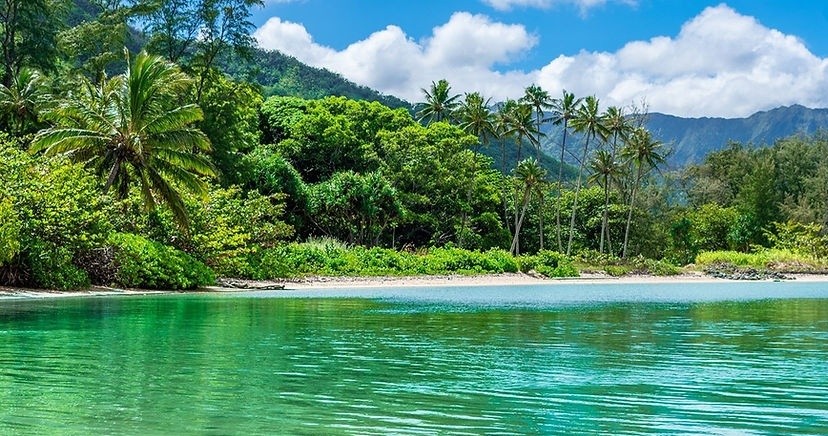
Kahuku’s reef systems create pockets of calm that are ideal for SUP lessons and gentle family paddles. When trades are light, coves near resort areas become natural classrooms for learning the basics.

Seasonality shapes the experience: summer brings calmer, warmer water and easier offshore conditions, while winter opens dramatic surf windows for experienced SUP surfers and big-water paddling.

The harbor is the gateway, and the Pacific becomes the classroom.

Because launch points are often compact and parking limited, local knowledge—knowing when to arrive and where to put in—translates directly into a better day on the water.
Activity focus

Choose by purpose

Whale watching, snorkeling, sunset sailing, cultural canoeing, harbor sightseeing, or private chartering.

Departure hubs

Start near the city

Waikiki and Honolulu Harbor are primary hubs, with some trips launching near Hanauma Bay.

Accessibility

Confirm the vessel

Gangways, shaded seating, and boarding requirements vary according to vessel size and operator.

Seasonal planning

Best Time to Visit

Kahuku is warm year-round, but wind, swell, migration, visibility, and demand change the best match between traveler and trip.

Kahuku boat tour
Year-round destination

Seasonal highlights change the reason to go

Winter favors humpback encounters; warmer, calmer months favor snorkeling visibility and smoother water.

Humpback season

Summer months and holiday weeks see increased visitation for family-friendly flatwater paddles and SUP lessons.

Prime whale watching, winter holidays, higher demand, and earlier sell-outs.

Snorkeling window

April–May–June–July–August–September–October

Typically gentler seas and clearer water for snorkeling trips.

Weather notes

Trade winds year-round

Late spring through early fall typically brings smaller, more predictable swell on the North Shore and lighter trade winds in the mornings—ideal for flatwater SUP. Winter months (roughly November–March) produce large north swells that make many coastal launches hazardous but create opportunities for experienced SUP-surfers. Afternoon trades can pick up daily; plan paddles for early morning or late afternoon to avoid strong onshore winds.

Quieter opportunities

Late spring & summer weekdays

Winter offers unique big-swell SUP-surf spectacles and fewer casual paddlers on calmer days—suitable only for advanced riders who understand surf safety and local currents.

Match the trip to your comfort

Choose Your Experience Level

Low effort

Beginner

Shallow, reef-protected coves and resort bays where paddlers can practice balance, strokes, and basic falls and remounts in calm conditions.

  • Guided flatwater lesson in a sheltered cove
  • Sunrise balance and technique session
  • Family paddle with short beach landings
Active day trip

Intermediate

Longer coastal cruises, reef-safari paddles with short snorkel stops, and flat-to-small-wave transitions that require better board control and tide awareness.

  • Round-trip reef circuit with snorkel breaks
  • Sunset paddle with bird and turtle watching
  • Intro to small-wave SUP riding near protected passes
Longer or technical

Advanced

Open-ocean crossings, paddling in stronger currents, and SUP-surfing on exposed points during seasonal swells. Requires confident remounts, surf etiquette, and local swell-reading skills.

  • SUP-surf sessions during winter swell windows (for experienced riders)
  • Long exposed coastal paddles with tidal planning
  • Big-water guided SUP excursions

Prepare for sun, spray, and swell

What to Bring

Essential

Core kit

  • Appropriately sized SUP board or rental (all-levels inflatable or hardboard depending on conditions)
  • Leash and coast-appropriate personal flotation device (PFD)
  • Sun protection: high-SPF sunscreen, hat, and sun shirt
  • Hydration and small waterproof dry bag for phone/keys
Recommended

Useful extras

  • Soft-soled reef shoes to protect feet during beach launches and shallow wading
  • Light wind layer for early mornings and late afternoons
  • Waterproof map or GPS app with offline maps
  • Local tide and swell report screenshot or app
Optional

Trip-specific

  • Snorkel gear for reef stops
  • SUP pump and repair kit for inflatables
  • Binoculars for bird and offshore-watch
  • Camera in waterproof housing
Respect local conditions and cultural stewardship—check tide and swell forecasts, wear reef-safe sunscreen, and give marine life space.

Insider Tips & Local Knowledge

Reserve whale-watching and popular sunset cruises well ahead during December–April.
Choose morning snorkeling departures for calmer seas and better underwater visibility.
For motion sensitivity, choose a larger vessel, sit mid-ship, and take preventative medication before boarding.
Do not touch coral or wildlife, avoid standing on reefs, and use reef-safe sunscreen.
Community-based operators may add context about traditional navigation and stewardship.
Arrive early for parking and check-in because Waikiki departure areas can be busy.

Planning questions

Frequently Asked Questions

Most recreational day paddles from public beaches do not require a permit. If you plan commercial guiding, group events, or shore-based gatherings, check with local county regulations and protected-area rules.
Stand-Up Paddleboarding (SUP) in Kahuku, Hawaii
Ready for your sup adventure?

Browse 81 verified trips in Kahuku.

Compare current availability and book with instant confirmation.

Explore Kahuku sup