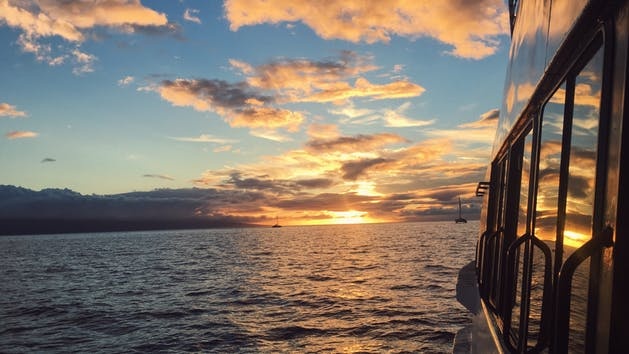
Why Kahului Is a Standout Place to Watch Whales
The story of whale watching around Kahului is both immediate and slow-moving: immediate in the sudden arc of a humpback breach that explodes from a mirror-calm sea, slow-moving in the migration rhythms that return the animals to Hawaiian waters year after year. Each winter the North Pacific humpbacks navigate thousands of miles to calve, court, and rest in the protected channels between Maui, Lana‘i, and Moloka‘i. Kahului’s central location on Maui makes it a pragmatic base for tours that go where the whales congregate, and it’s close enough to the larger harbor infrastructure to support a range of operators—from intimate zodiac runs to larger, more comfortable catamarans.
Beyond the spectacle, the region is a living classroom. Local guides fold natural history, Hawaiian cultural context, and conservation policy into their commentary: you’ll hear the Hawaiian name for humpback (kohola), learn about protected behaviors and harassment laws, and understand how marine sanctuaries and community science shape what you see. The result is an experience that feels both cinematic and responsibly framed—thrilling moments framed by clear rules that protect the animals and the ocean they depend on.
Whale watching here isn’t a single kind of trip. Glassy, windless mornings produce calm passages and long viewing windows; windier afternoons can make for dramatic seas and active surface behavior. Operators time departures to maximize sighting odds and comfort, and many tours combine whale watching with scenic narration, birding, and sometimes a chance to see spinner dolphins or Maui’s dramatic shorelines. For travelers who want a quieter vantage, coastal lookouts and certain beaches offer respectful shore-based viewing when whales are near. Wherever you watch, the experience in and around Kahului trades on one simple truth: these are seasonal visitors whose presence defines a Pacific winter, and they reward patience, respect, and a little planning.
Kahului’s harbor infrastructure and proximity to the Auau Channel mean shorter transit times to whale hotspots compared with other islands, so you spend more of your trip watching and less of it getting there.
The region’s whale season is a conservation success story—sustained protections and community monitoring have allowed humpback numbers to recover since mid-century declines. Local guides often double as educators, sharing practical guidance on minimum approach distances and how to read whale behavior.
Complementary activities are abundant: plan a morning whale-watch cruise and an afternoon snorkeling trip to Molokini, or follow with coastal hikes and cultural sites on West Maui. Whale watching pairs naturally with other marine adventures but requires separate planning because of weather and sea conditions.