Boat Rentals in Kailua, Hawaii — Kayaks, Paddleboards & Powerboats
Kailua Boat Rental Guide

Boat Rentals in Kailua, Hawaii — Kayaks, Paddleboards & Powerboats

Kailua's sheltered turquoise bays, easy launch points, and instant access to the two small offshore islands make it an unusually welcoming place to rent a boat. Whether you imagine a slow sunrise paddle in a sit-on-top kayak, an effortless stand-up paddleboard crossing to the Mokes, a snorkel stop in crystalline waters, or a short powerboat day trip downwind, Kailua compresses the high-island experience into approachable distances and manageable conditions.

Lanikai BeachKailua BayMokulua Islands (The Mokes)

Live destination inventory

Top Boat Rental Trips in Kailua

54 trips · Book with confidence · Instant confirmation

The prototype intentionally does not invent replacement trip cards or add images that are not already part of the live source page.

The city from the water

Why Kailua Is a Standout Place to Rent a Boat

Kailua feels, at first, like a town designed around small boats. Low dunes, powdery sand, and wide public access points open onto a bay so frequently glass-still that even a novice paddler can feel confident launching for the first time. The islands that anchor the horizon—Mokulua Nui and Mokulua Iki—are close enough that the crossing is a reasonable goal for a half-day rental, yet far enough to offer a taste of isolation: seabirds, lava rock coves, and coral gardens that glow in shallow sunlit water. Beyond the obvious scenery, what makes boat rental in Kailua special is the combination of accessibility and variety. Rentals here aren't a single choreographed offering; they are a toolkit. You can choose a lightweight touring kayak and plan a quiet morning circumnavigation of the bay, switch to a stable fishing skiff for a sunset cast, or hop in a small RIB and run a guided snorkel and reef ecology stop. For families and mixed-skill groups, sit-on-top kayaks and tandem SUPs reduce the learning curve. For experienced paddlers, the downwind runs and longer coastal crossings offer enough challenge to feel earned without the remoteness of a long offshore voyage. Wind and sea conditions are the organizing forces of every outing. Kailua's trade winds tend to build in the afternoon, creating reliable wind-surf and kite conditions on the leeward side of Oahu, while leaving the bay's shallows more protected in the morning. That rhythm invites an easy planning strategy: launch at dawn for calm paddles and reef snorkeling; plan powered boat outings and wind-centered sessions for mid and late mornings when sea state is more active. Tide and swell add secondary layers—some reef flats are best at low tide for snorkeling, while currents around the Mokes can intensify on spring tides, so timing matters. Culturally and ecologically, renting a boat here is an invitation to respect. The coastline around Kailua is layered with Hawaiian place names, ancestral fishponds, and reef systems that support both local subsistence and tourism. Operators and guides increasingly emphasize reef-safe sunscreen, no-touch snorkeling practices, and human-powered options that reduce noise and fuel impacts. Those practices let visitors experience the islands without eroding what makes them exceptional: clear water, abundant marine life, and a sense of the islands' living history.

Kailua’s launch points are unusually user-friendly: wide public boat ramps, gentle beach put-ins, and multiple rental shops clustered within walking distance of town. That convenience shortens the logistics so more of your day is spent on water rather than prepping gear.

The Mokulua Islands are the most popular objective: a 20–40 minute paddle depending on craft and conditions. Once ashore, visitors find protected coves, interesting lava formations, and offshore reefs teeming with tropical fish. For many, landing on the islands is the high point of a Kailua rental.

The harbor is the gateway, and the Pacific becomes the classroom.

Complementary activities such as snorkeling, coastal hiking (the Lanikai Pillbox trail), and stand-up paddle yoga are readily combined with a boat rental. Many operators offer multi-activity packages—kayak-plus-snorkel or guided paddle-and-history tours—that simplify planning and add local context.

Activity focus

Choose by purpose

Whale watching, snorkeling, sunset sailing, cultural canoeing, harbor sightseeing, or private chartering.

Departure hubs

Start near the city

Waikiki and Honolulu Harbor are primary hubs, with some trips launching near Hanauma Bay.

Accessibility

Confirm the vessel

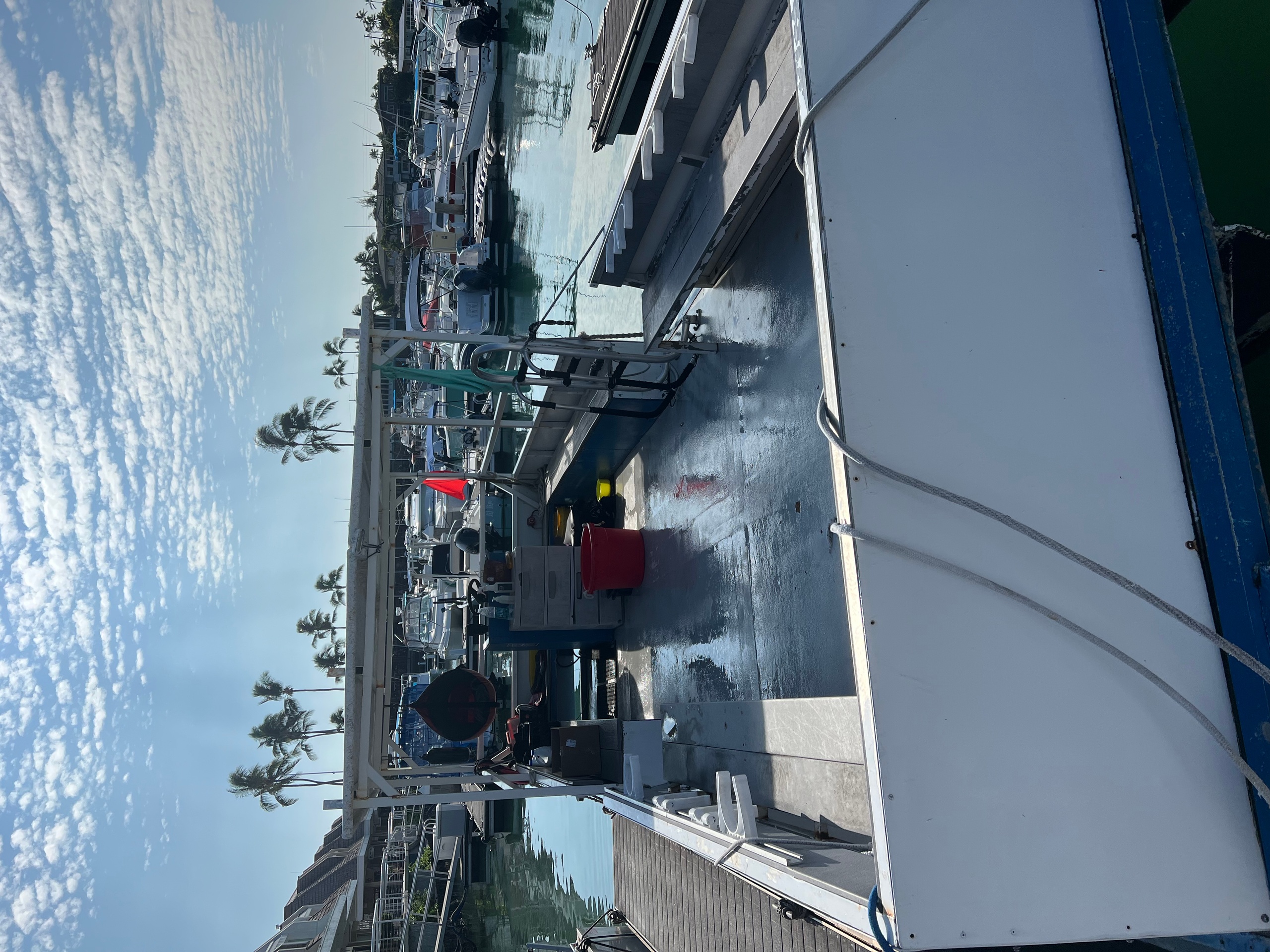
Gangways, shaded seating, and boarding requirements vary according to vessel size and operator.
Seasonal planning

Best Time to Visit

Kailua is warm year-round, but wind, swell, migration, visibility, and demand change the best match between traveler and trip.

Kailua boat tour
Year-round destination

Seasonal highlights change the reason to go

Winter favors humpback encounters; warmer, calmer months favor snorkeling visibility and smoother water.

Humpback season

Summer months (June–August) are busiest for rentals and beach access; holidays and weekend mornings see the most local traffic.

Prime whale watching, winter holidays, higher demand, and earlier sell-outs.

Snorkeling window

April–May–June–July–August–September–October

Typically gentler seas and clearer water for snorkeling trips.

Weather notes

Trade winds year-round

Kailua experiences steady trade winds that typically strengthen in the afternoon; mornings are calmer and the best window for paddling and snorkeling. Winter months bring larger swell and stronger wind, which can create exciting conditions for experienced windsurfers but make crossings to the Mokes more challenging.

Quieter opportunities

Late spring & summer weekdays

Late fall and winter offer quieter beaches and the chance to pair rentals with whale-watching (peak humpback season is winter to early spring), though sea conditions can be rougher.

Match the trip to your comfort

Choose Your Experience Level

Low effort

Beginner

Short, protected paddles inside Kailua Bay and along the shoreline; gentle conditions in the early morning make these ideal for families and first-timers.

  • Guided tandem kayak to a nearshore snorkeling site
  • Stand-up paddleboard lesson and shoreline loop
  • Half-day sit-on-top kayak rental with beach return
Active day trip

Intermediate

Longer crossings to the Mokulua Islands, early-morning reef snorkel circuits, and half-day powerboat rentals for fishing or coastal exploration.

  • Solo kayak crossing to the Mokes and beach landing
  • Guided snorkel-and-eco-interpretive boat trip
  • Half-day small powerboat rental for nearshore exploration
Longer or technical

Advanced

Downwind runs, multi-mile coastal paddles, or offshore excursions that require current and wind knowledge, efficient navigation, and self-rescue skills.

  • Downwind paddle from Kailua to nearby exposed points
  • Multi-island day trip with experienced guide
  • Open-water skill session and advanced navigation practice

Prepare for sun, spray, and swell

What to Bring

Essential

Core kit

  • Personal flotation device (PFD) — required for many rental types
  • Waterproof sun protection (reef-safe sunscreen, hat, UV shirt)
  • Water bottle and light snacks
  • Waterproof phone case and dry bag with ID
Recommended

Useful extras

  • Light wetsuit or rashguard for longer sessions and sun protection
  • Water shoes for rocky landings at the Mokes
  • Basic first-aid items and a whistle
  • Microfiber towel and quick-dry change of clothes
Optional

Trip-specific

  • Snorkel mask and fins (many shops rent these separately)
  • Compact binoculars for seabird and coastline viewing
  • Small reef-safe reef-safe mask defog and biodegradable insect repellent for dawn/ dusk launches
Respect local conditions and cultural sites; verify access with operators before landing on protected islets.

Insider Tips & Local Knowledge

Reserve whale-watching and popular sunset cruises well ahead during December–April.
Choose morning snorkeling departures for calmer seas and better underwater visibility.
For motion sensitivity, choose a larger vessel, sit mid-ship, and take preventative medication before boarding.
Do not touch coral or wildlife, avoid standing on reefs, and use reef-safe sunscreen.
Community-based operators may add context about traditional navigation and stewardship.
Arrive early for parking and check-in because Waikiki departure areas can be busy.

Planning questions

Frequently Asked Questions

No prior experience is required for many rentals—operators provide basic instruction and safety briefings. Choose sit-on-top kayaks or wider SUPs if you’re a beginner, and schedule morning launches for calmer water.
Boat Rentals in Kailua, Hawaii — Kayaks, Paddleboards & Powerboats
Ready for your boat rental adventure?

Browse 54 verified trips in Kailua.

Compare current availability and book with instant confirmation.

Explore Kailua boat rental