Why Kailua Is Exceptional for Whale Watching
Kailua’s windward exposure creates a marine corridor that humpback whales favor during the Hawaiian winter. Unlike the exposed west side of Oahu, Kailua Bay and the gentle drops just offshore offer relatively shallow, warm water where breeding, nursing and playful social behaviors concentrate. That seasonal congregation makes Kailua unusually reliable for both shore and vessel-based viewing: you don’t always need a long ocean passage to see dramatic tail slaps, breaching arcs, or a mother and calf moving in deliberate, watchful pairs. The light here is one of the understated pleasures for photographers and naturalists—the soft, early-morning sun on a west-facing hump, the glassy bowls of bay water that reveal a rolling back or the mist from a distant blow.
But the experience in Kailua is more than sightings. It’s a place where local history, community stewardship, and small-scale boating culture shape how visitors encounter whales. Long before modern tour operators ran rigid itineraries, Hawaiian communities read the sea for signs: migratory timing, currents, and weather. Today many local captains combine safety-focused seamanship with a conservation-minded approach—staying at respectful distances and interpreting behaviors to give passengers context. For travelers, that means a whale-watch outing in Kailua often feels like a guided conversation between the sea and the shore: an hour of observation punctuated with slow moments to listen, photograph, and learn how whales use the calm of the windward coast to nurse, sing and teach calves.
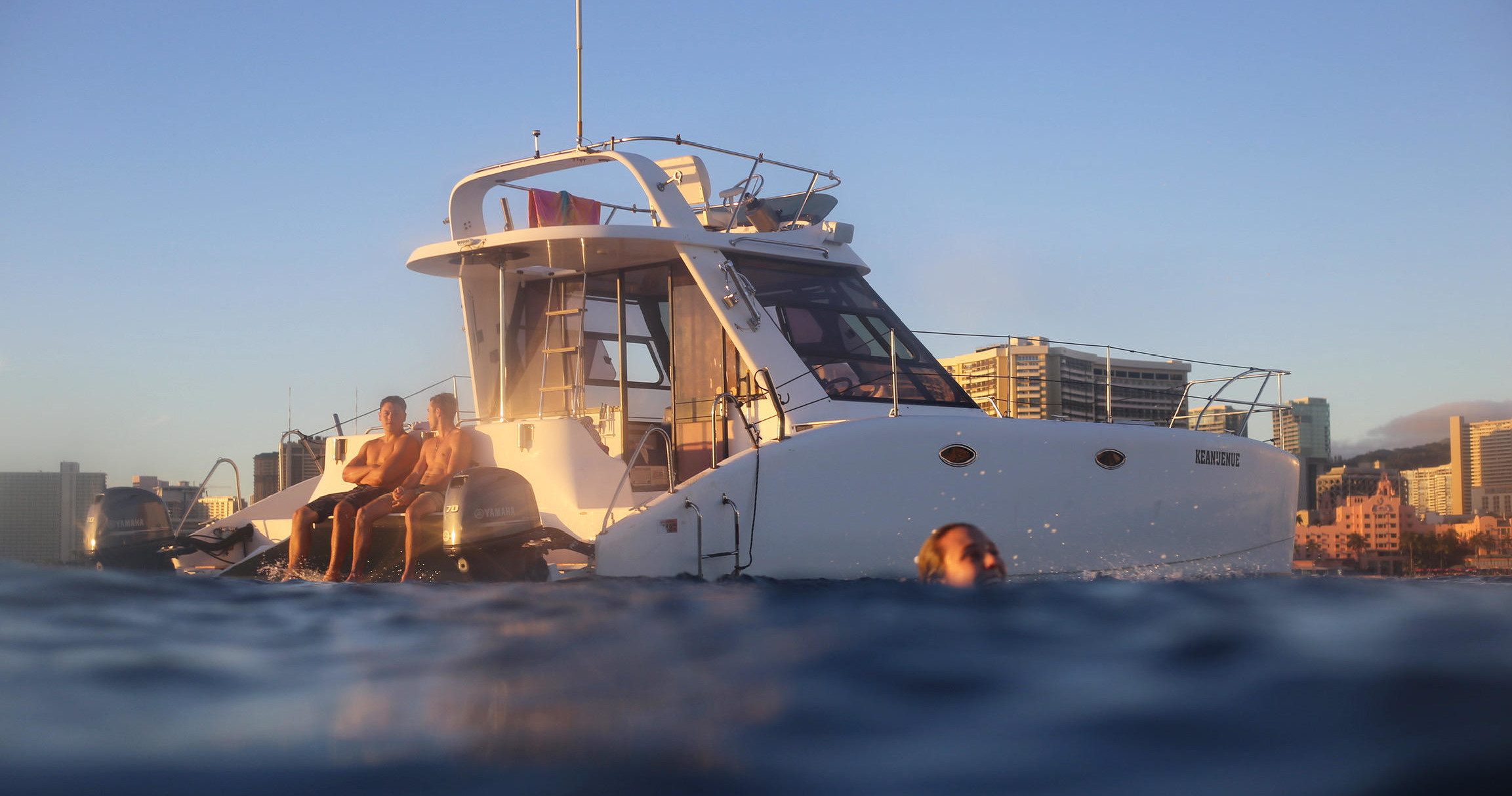
Practical accessibility is part of Kailua’s appeal. Launch points are close to town, parking and cafes are nearby, and operators run a mix of vessels—comfortable sightseeing catamarans for families, smaller zodiacs for photographers who want speed and nimbleness, and guided kayak options for paddlers seeking a taut, first-row encounter. Because shore-based opportunities are good—especially from higher headlands or certain beaches—travelers who prefer to keep feet dry can still enjoy reliable spotting. Seasonality, sea state, and weather determine the best approach on any given day, but the consistent migrant pattern, combined with a community of experienced guides, makes Kailua a whale-watching destination that balances spectacle with accessibility.
Kailua’s sheltered bay and nearby offshore shelf concentrate whale activity in relatively shallow water, improving sighting odds for both small boats and shore-based viewers.
Local operators prioritize vessel etiquette and education—opt for captains who discuss behavior, conservation, and the cultural significance of whales in Hawaiian tradition.
Choose by purpose
Whale watching, snorkeling, sunset sailing, cultural canoeing, harbor sightseeing, or private chartering.
Start near the city
Waikiki and Honolulu Harbor are primary hubs, with some trips launching near Hanauma Bay.
Confirm the vessel
Gangways, shaded seating, and boarding requirements vary according to vessel size and operator.