Top 15 Surf Adventures in Kailua-Kona, Hawaii
Kailua-Kona Surf Guide

Top 15 Surf Adventures in Kailua-Kona, Hawaii

Kailua-Kona is a compact coastal playground where reef-cut shores, protected bays, and occasional point breaks create a diverse surf palette for learners and experienced riders alike. From glassy dawn sessions under steady trade winds to summer swells that carve longer, cleaner lines, Kona’s surf culture mixes local knowledge, Aloha, and the raw basalt edges that define the Big Island’s shoreline.

West Hawaiʻi CoastKahaluʻu Beach ParkMagic Sands / Laʻaloa

Live destination inventory

Top Surf Trips in Kailua-Kona

28 trips · Book with confidence · Instant confirmation

The prototype intentionally does not invent replacement trip cards or add images that are not already part of the live source page.

The city from the water

Why Kailua-Kona Is a Standout Surf Destination

Kailua-Kona’s coastline reads like a condensed surf atlas: shallow reef gardens, sandy pocket beaches, long black-rock points, and small harbors that offer protection on windier days. The town is a rare mix of accessibility and variety—within a few miles of Aliʻi Drive you can be paddling out at a forgiving beginner bay, hopping a right-hand point for a longer ride, or scouting a reef that breaks only on the right swell. That variety makes Kona particularly friendly for mixed-ability groups and travelers who want to pair surf days with snorkeling, paddleboarding, or a quick drive to volcanic landscapes. The surf here is shaped by the Big Island’s dramatic geology. Lava flows meet ocean in sculpted shelves and pockets of sand, and the underwater topography creates both mellow rolling waves for first-timers and punchier reef sections for more ambitious riders. Trade winds often set in by late morning, so most locals aim for dawn or the late afternoon window on calmer days. Seasonal swell patterns mean the character of surf shifts through the year—some months favor long, clean rides; others produce short, powerful peaks that are best left to experienced surfers who know the local breaks and currents. Beyond the waves, Kona’s surf identity is woven into local life. Small surf schools and board-rental shacks sit beside historic landing sites and coral gardens; learning to read tides and reef hazards is part of the progression here. The culture leans practical and respectful—the reef is a shared resource, and local surfers expect visitors to show awareness of etiquette, reef safety, and reef-safe sunscreen practices. For travelers, that means the surf experience is as much about skill and timing as it is about attitude: arriving early, listening to local advice, and balancing pushing your limits with protecting fragile coastal ecosystems. Kona’s proximity to varied coastal experiences—snorkeling with reef fish, evening manta-ray viewing, stand-up paddle on calm bays, and quick scenic drives to rugged lava fields—makes it easy to structure surf-focused itineraries that also feel complete and restorative. Planning here rewards nuance. Beginners can lock in confidence in protected bays where instructors launch lessons from shore; intermediates and advanced surfers will find pockets and occasional long walls when the swell and wind align. Accessibility is a major plus: public beach parks with parking, easy board rentals, and a handful of reliable shuttle or taxi-ready operators mean you can concentrate on the surf rather than logistics. The biggest practical constraint is the reef itself—enter and exit points matter, and understanding currents, tide times, and reef hazards will keep sessions productive and safe. In short, Kona is a surf destination that invites learning, rewards patience, and pairs every surf day with a vivid coastal story—black lava cliffs, palm-fringed coves, and the steady pulse of Pacific swell.

Kona’s best surf windows are shaped by swell direction and wind—many mornings are glassy before the tradewinds pick up, and sheltered bays give beginners comfortable learning zones. At higher swell, reef breaks reveal longer, faster faces that are ideal for intermediate surfers who can manage shallow exits.

Because the coastline transitions quickly from sandy coves to sharp lava shelves, local knowledge matters: tide charts, knowing where to put your foot down on the reef, and understanding exit points make a big difference to safety and enjoyment.

Activity focus

Choose by purpose

Whale watching, snorkeling, sunset sailing, cultural canoeing, harbor sightseeing, or private chartering.

Departure hubs

Start near the city

Waikiki and Honolulu Harbor are primary hubs, with some trips launching near Hanauma Bay.

Accessibility

Confirm the vessel

Gangways, shaded seating, and boarding requirements vary according to vessel size and operator.
Seasonal planning

Best Time to Visit

Kailua-Kona is warm year-round, but wind, swell, migration, visibility, and demand change the best match between traveler and trip.

Kailua-Kona boat tour
Year-round destination

Seasonal highlights change the reason to go

Winter favors humpback encounters; warmer, calmer months favor snorkeling visibility and smoother water.

Humpback season

Summer months when southern swells and calmer morning conditions align; holidays can bring heavier beach and lesson traffic.

Prime whale watching, winter holidays, higher demand, and earlier sell-outs.

Snorkeling window

May–June–July–August–September

Typically gentler seas and clearer water for snorkeling trips.

Weather notes

Trade winds year-round

Kona benefits from stable, warm ocean temperatures year-round. Summer months typically bring more consistent southern and west swells with glassy early mornings before tradewinds build; winter can introduce larger, occasionally choppier swells from different directions that favor more experienced surfers. Expect sun and variable trade winds—afternoon breezes are common.

Quieter opportunities

Late spring & summer weekdays

Winter and shoulder seasons can produce bigger, cleaner sets on the right swell—good for intermediate and advanced surfers seeking longer rides, but also times when more caution is required due to currents and reef exposure.

Match the trip to your comfort

Choose Your Experience Level

Low effort

Beginner

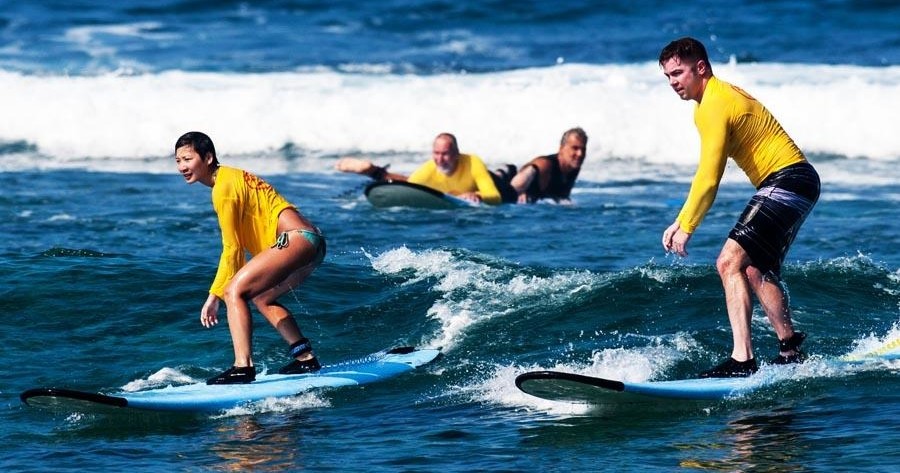
Gentle, sand-bottom bays and small beach breaks where instructors launch lessons and paddling distance to whitewater is short. Sessions focus on standing, trimming, and basic ocean safety.

  • Guided beginner surf lesson in a protected bay
  • Board rental and self-practice at a mellow beach break
  • Stand-up paddle session to build balance before catching waves
Active day trip

Intermediate

Reef-protected rides and point-style waves that require basic reef etiquette, paddle-out skills, and the ability to read sets. Longer rides are available when swell and tide align.

  • Guided surf session at a local point or reef break
  • Half-day surf guiding with local coach focusing on takeoffs and trim
  • Paddle-in lineups at moderate swell for practice on longer faces
Longer or technical

Advanced

Punchier reef breaks exposed to open-ocean swells, faster takeoffs, and trickier exits among lava shelves. Advanced surfers should have reef experience, solid duck-dives, and knowledge of local currents.

  • Exploring exposed reef breaks on a mid-size swell
  • Longboard or shortboard sessions timed with prime tide windows
  • Private guided sessions to scout and access less crowded breaks

Prepare for sun, spray, and swell

What to Bring

Essential

Core kit

  • Surfboard (rental options widely available if you prefer to travel light)
  • Leash and fins (check equipment before paddling out)
  • Reef-safe sunscreen and a rashguard
  • Sandals or reef booties for sharp lava and coral entry/exit
  • Water bottle and quick-energy snacks
Recommended

Useful extras

  • Light long-sleeve sun shirt for extended sessions
  • Earplugs if you’re prone to surfer’s ear
  • Small waterproof first-aid kit (for cuts from reef or rocks)
  • Local tide and swell app or printed tide table
  • Microfiber towel and quick-dry change of clothes
Optional

Trip-specific

  • Wetsuit top for early-morning chill or cool-season swells
  • Wax suited to local water temperature
  • GoPro or small action camera with float attachment
  • Compact travel surfboard bag if flying with gear
Respect the reef, follow local etiquette, and time sessions around trade-wind patterns and tides.

Insider Tips & Local Knowledge

Reserve whale-watching and popular sunset cruises well ahead during December–April.
Choose morning snorkeling departures for calmer seas and better underwater visibility.
For motion sensitivity, choose a larger vessel, sit mid-ship, and take preventative medication before boarding.
Do not touch coral or wildlife, avoid standing on reefs, and use reef-safe sunscreen.
Community-based operators may add context about traditional navigation and stewardship.
Arrive early for parking and check-in because Waikiki departure areas can be busy.

Planning questions

Frequently Asked Questions

Yes. Protected bays with sandy entries exist within easy reach of town where surf schools operate. Instructors focus on basics and reef awareness, making these spots ideal for beginners.
Top 15 Surf Adventures in Kailua-Kona, Hawaii
Ready for your surf adventure?

Browse 28 verified trips in Kailua-Kona.

Compare current availability and book with instant confirmation.

Explore Kailua-Kona surf