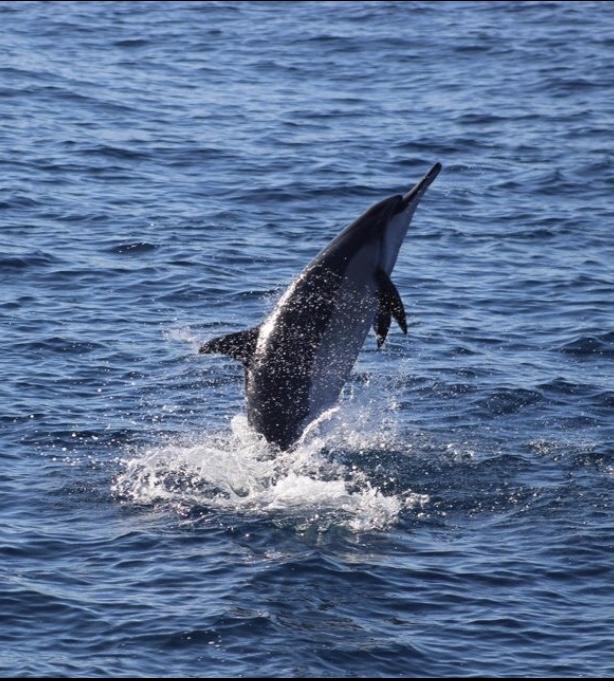
There’s a particular hush that arrives when you trade the rolling pastureland of Kamuela for the wide, wind-shaped horizon of the Kohala coast. Drive west from the paniolo town and the landscape shifts from rolling green to basalt cliffs and open ocean—an invitation rather than a promise. For travelers interested in dolphins, that invitation is the region’s defining asset: predictable deep-water channels, complex reef edges, and sheltered bays create a mosaic of habitats that draw both spinner dolphins—small, acrobatic, daytime loafers of Hawaiian waters—and the larger, curious bottlenose species. The experience here is cinematic without being manufactured. Dolphins are wild; encounters are negotiated moment by moment between animal behavior, ocean conditions, and the ethics of the people aboard the boats.
On a single morning off the Kohala coast you might watch a flotilla of spinner dolphins carve graceful semicircles in glossy water, then catch a silent, sun-splashed break where animals ride the bow of a swell, surfacing in a blur of spray. Operators out of nearby harbors know where the dolphins rest, where they transit to deeper feeding grounds, and when to back off—knowledge that turns a tour into a respectful exchange rather than wildlife theatre. Beyond the visual thrill, dolphin outings from Kamuela anchor a broader marine story: reef ecology, prey dynamics, and the centuries of Hawaiian practice that remind you to view the ocean as a shared realm.
This guide is for travelers who want the rush of close marine life viewing without compromising local culture or animal welfare. It maps the kinds of dolphin trips available—shore-based snorkel floats, small-boat photo safaris, and educational eco-cruises—while supplying the minute-by-minute considerations that matter at sea: sea state, swell direction, and the time-of-day patterns dolphins follow. We also fold in complementary activities—snorkeling reef gardens, stand-up paddleboarding for quiet shoreline scouting, and seasonal whale-watching—that make a dolphin-focused trip to Kamuela both versatile and responsibly adventurous. Read on to discover how to plan an encounter that feels both intimate and informed: setting, season, operator selection, and gear that keeps the experience safe for you and the animals.
Kamuela’s proximity to deep offshore channels means encounters can be productive without the long runs common on other islands. Many operators launch from nearby harbors, keeping transit times short and observation windows long.
Dolphin behavior follows rhythms—resting in sheltered bays by day and feeding offshore at night—so timing a trip (early morning or late afternoon) often yields calmer seas and more natural behaviors to observe.
The harbor is the gateway, and the Pacific becomes the classroom.
Responsible operators emphasize observation protocols: no approaching pods, engines in neutral when animals are within close range, and keeping group sizes small to reduce stress on wild dolphins.
Choose by purpose
Whale watching, snorkeling, sunset sailing, cultural canoeing, harbor sightseeing, or private chartering.
Start near the city
Waikiki and Honolulu Harbor are primary hubs, with some trips launching near Hanauma Bay.
Confirm the vessel
Gangways, shaded seating, and boarding requirements vary according to vessel size and operator.