Kamuela’s landscape is theatrical: green rolling pastures give way to the black scars of ancient lava that tumble toward a sculpted coastline. When you trade the town’s cool, upcountry air for the salt and sun of the Kohala shore, the underwater portraits are unexpectedly varied. You can drop in on shallow coral gardens and find patient honu (green sea turtles) grazing among coral heads; swim out to steep lava drop-offs where schools of surgeonfish and big-eye jacks circulate in current-swept choreographies; or drift along lava terraces that look like the island’s geological history compressed into a single profile.
That variety is amplified by proximity. Kamuela is not the coastal launch point for every dive—many operators run boats from nearby harbors and from Kona—but it’s close enough to make morning pickups and afternoon returns practical. The result is a scuba scene that pairs rural Hawaiian hospitality with access to world-class sites. A morning’s itinerary might include a sheltered shore dive at a shallow reef to tune skills, followed by a mid-day boat run to an offshore pinnacle layered in sea life. In winter, migrating humpbacks sing and breach offshore; in summer, the water clears and visibility stretches far enough to feel cinematic.
Culturally and environmentally, diving here is tethered to Hawaiian concepts of care for the ocean. The local ahupua‘a system—land managed from the mountain to the sea—still shapes stewardship expectations, and many operators emphasize reef-safe practices and education about changing coral health. Expect conversations about coral bleaching, invasive algae where runoff is an issue, and community-led efforts to restore nurseries and protect nearshore fisheries. This combination of rich marine life, accessible launch options, and a community mindful of its ocean legacy is what makes scuba around Kamuela both adventurous and grounded.
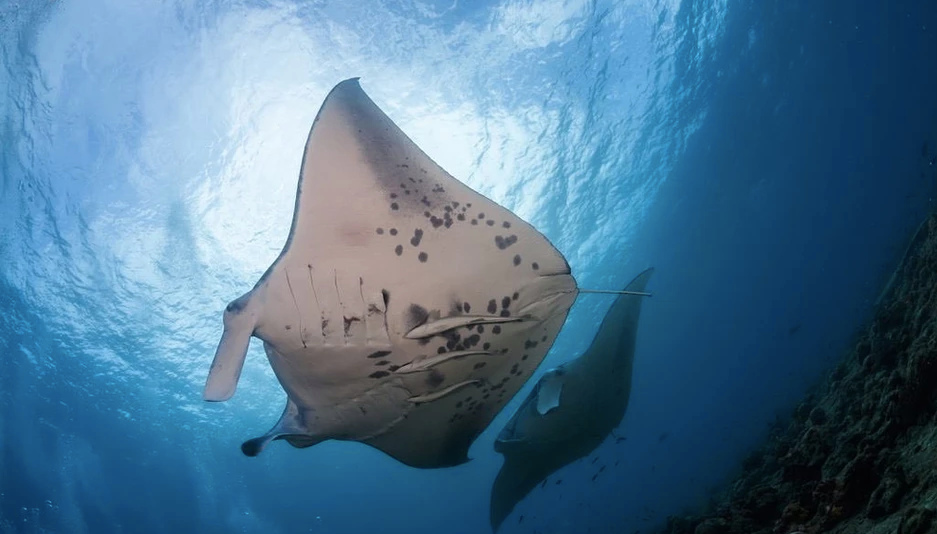
From a practical perspective, the dive options cluster into recognizable types: sheltered bay and beach entries for training and calm-weather conditions; boat dives to fringing reefs and pinnacles for clear visibility and more abundant pelagics; and specialized night dives—most famously manta ray night feeds—accessible within an hour or so by road from Kamuela. Currents can be present on the outer edges and around heads of lava, so operators will pair current-sensitive divers with the appropriate sites. Overall, Kamuela gives you the sense of being above a living ocean laboratory: pastoral vistas above, a mosaic of reef habitats below, and a set of operators and shore communities keen to show you both the beauty and the stewardship responsibilities that come with it.
The Kohala Coast and neighboring waters provide a compact range of dive experiences: sheltered coral gardens for skill-building, mid-depth reefs for colorful macro life, and deeper lava-formed structures that attract larger fish and offer dramatic topography.
Kamuela’s inland elevation means you’ll often be staging dives from hotels or ranch stays inland and transferring to coastal dive operators. That pattern keeps morning logistics simple and evenings pleasantly quiet back in town.
The harbor is the gateway, and the Pacific becomes the classroom.
Environmental fluctuations—seasonal swell, trade-wind-driven surface chop, and episodic coral bleaching—shape site selection. A thoughtful operator will choose sites by day-to-day conditions to optimize visibility and safety.
Choose by purpose
Whale watching, snorkeling, sunset sailing, cultural canoeing, harbor sightseeing, or private chartering.
Start near the city
Waikiki and Honolulu Harbor are primary hubs, with some trips launching near Hanauma Bay.
Confirm the vessel
Gangways, shaded seating, and boarding requirements vary according to vessel size and operator.