Top Sailing Adventures in Kaneohe, Hawaii
Kaneohe Sailing Guide

Top Sailing Adventures in Kaneohe, Hawaii

Kaneohe is a sailor’s study in contrasts: a broad, protected bay ringed with emerald mountains, ancient fishponds, and long fringing reefs that create calm lagoons, plus open channels that reward skillful downwind runs. Whether you want a leisure cruise around the sandbar, a windward catamaran afternoon, or an expedition to remote reef passes and snorkeling coves, Kaneohe’s mix of sheltered water and reliable trade winds makes it an ideal base for small-boat sailing, charters, and learning to sail in tropical conditions.

Kaneohe BayMokoliʻi (Chinaman's Hat)Coral Gardens & Sandbar

Live destination inventory

Top Sailing Trips in Kaneohe

95 trips · Book with confidence · Instant confirmation

The prototype intentionally does not invent replacement trip cards or add images that are not already part of the live source page.

The city from the water

Why Kaneohe Is a Standout Sailing Destination

Kaneohe Bay is a unique sailing classroom: vast enough to feel adventurous, protected enough to be forgiving. The bay’s long fringing reef creates a broad, shallow lagoon that calms chop and reflects light in a dozen green and blue shades — ideal for relaxed day sails, teaching newcomers, and floating over coral gardens at a snorkel stop. Fringed by the windward slopes of the Koʻolau Range, the bay also channels the steady northeast tradewinds that sailors prize, delivering predictable breeze and clean sea-state for catamarans, sloops, and day-charter rigs. Beyond the immediate beauty, Kaneohe offers diversity of micro-experiences. Launch early to catch a glassy sunrise across the sandbar and spot reef fish in waist-deep water near the coral flats. Head mid-morning to Mokoliʻi (Chinaman’s Hat) for a circumnavigation with dramatic mountain backdrops and the chance to anchor in private coves. On windier days the passes at the bay’s mouth and the adjacent channels test trimming and reefing techniques; on softer days the shallow coral shelves invite snorkeling, paddleboarding, and exploring Hawaiian cultural sites like ancient loko iʻa (fishponds) along the shoreline. Culturally and ecologically, sailing here feels connected to place. The long human history of fishpond aquaculture and canoe travel gives the shoreline a lived-in, crafted quality, and responsible sailors become de facto stewards: reef-safe sunscreen, careful anchoring, and attention to reef rules matter. Local operators balance tourism and conservation, offering guided trips that include natural history interpretation, reef etiquette, and marine-wildlife awareness — humpback whales visit in winter, green sea turtles are common, and tropical fish show themselves after a dive. For travelers seeking more than a scenic cruise, Kaneohe’s sailing scene layers technical wind work, relaxed coves, and an intimate look at Hawaiian coastal ecosystems, making it rewarding for first-time sailors and experienced seafarers alike.

The protected lagoon and reef structure make Kaneohe forgiving for learners and versatile for multiday exploration—offers from half-day charters to private sunset sails are common.

Seasonal variation matters: consistent tradewinds in summer favor lively sails and windward runs; winter brings calmer tradewind lulls and the chance to see migrating whales and larger swell offshore.

Activity focus

Choose by purpose

Whale watching, snorkeling, sunset sailing, cultural canoeing, harbor sightseeing, or private chartering.

Departure hubs

Start near the city

Waikiki and Honolulu Harbor are primary hubs, with some trips launching near Hanauma Bay.

Accessibility

Confirm the vessel

Gangways, shaded seating, and boarding requirements vary according to vessel size and operator.
Seasonal planning

Best Time to Visit

Kaneohe is warm year-round, but wind, swell, migration, visibility, and demand change the best match between traveler and trip.

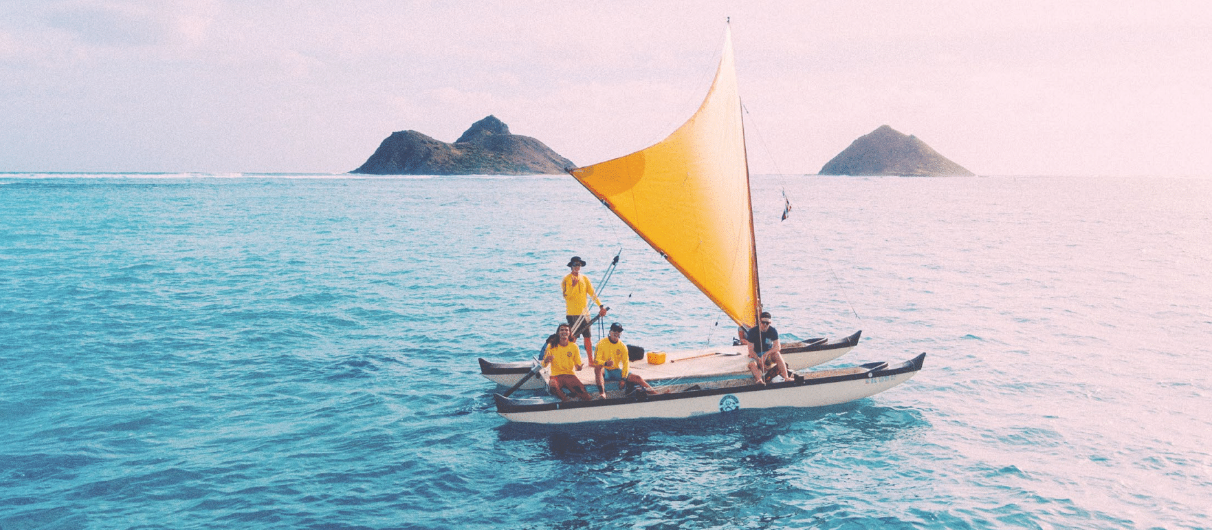
Kaneohe boat tour
Year-round destination

Seasonal highlights change the reason to go

Winter favors humpback encounters; warmer, calmer months favor snorkeling visibility and smoother water.

Humpback season

Summer trade-wind season (May–September) is busiest for charters and sailing schools.

Prime whale watching, winter holidays, higher demand, and earlier sell-outs.

Snorkeling window

April–May–June–July–August–September–October

Typically gentler seas and clearer water for snorkeling trips.

Weather notes

Trade winds year-round

Trade winds from the northeast are most consistent in late spring through early fall, delivering steady breeze and comfortable temperatures. Winter months can bring variable winds, occasional Kona weather (southerly winds and rain), and larger open-ocean swells; however, winter also hosts humpback whales offshore, creating strong wildlife-viewing opportunities.

Quieter opportunities

Late spring & summer weekdays

Late fall and winter can offer quieter booking windows, lower charter rates, and whale-watching chances—expect more variable winds and occasional rainy days.

Match the trip to your comfort

Choose Your Experience Level

Low effort

Beginner

Gentle, protected-lagoon sailing with low chop and short distances to snorkeling and sandbar stops—ideal for learning basics and relaxing family outings.

  • Half-day catamaran cruise to the sandbar
  • Introductory sailing lesson in protected water
  • Snorkel-and-sail combo near coral gardens
Active day trip

Intermediate

Longer sails that include channel work, reef pass navigation, and windward runs that require sail trim and basic navigation skills.

  • Full-day coastal circumnavigation including Mokoliʻi
  • Downwind runs and reef-pass practice
  • Combined sailing and paddleboard exploration of hidden coves
Longer or technical

Advanced

Challenging conditions outside the bay, tactical sail changes, and navigation in variable wind and swell—requires experience with reefing, heavy-weather seamanship, and knowledge of local currents.

  • Offshore passages along Oʻahu’s windward coast
  • Heavy-trade-wind performance sailing
  • Multi-day expedition-style coastal cruising

Prepare for sun, spray, and swell

What to Bring

Essential

Core kit

  • Reef-safe sunscreen and sunglasses with strap
  • Light, quick-dry clothing and swimwear
  • Water, snacks, and a reusable bottle
  • Non-marking deck shoes or sandals with grip
  • Small waterproof dry bag for phone and essentials
Recommended

Useful extras

  • Wide-brim hat and light windbreaker for sun and breeze
  • Motion-sickness medication if you’re prone
  • Snorkel gear if you prefer your own fit
  • Waterproof camera or action-cam
Optional

Trip-specific

  • Light daypack for shore excursions
  • Binoculars for wildlife and island sighting
  • Compact first aid kit and personal flotation preferences
Respect the reef and local rules; check weather and mooring availability before you go.

Insider Tips & Local Knowledge

Reserve whale-watching and popular sunset cruises well ahead during December–April.
Choose morning snorkeling departures for calmer seas and better underwater visibility.
For motion sensitivity, choose a larger vessel, sit mid-ship, and take preventative medication before boarding.
Do not touch coral or wildlife, avoid standing on reefs, and use reef-safe sunscreen.
Community-based operators may add context about traditional navigation and stewardship.
Arrive early for parking and check-in because Waikiki departure areas can be busy.

Planning questions

Frequently Asked Questions

For private boats, standard vessel registration and safety equipment are required; guided charters handle permits. Specific anchoring and mooring rules apply to reefs and protected areas—always confirm with your operator or the harbor authority before anchoring on reef flats.
Top Sailing Adventures in Kaneohe, Hawaii
Ready for your sailing adventure?

Browse 95 verified trips in Kaneohe.

Compare current availability and book with instant confirmation.

Explore Kaneohe sailing