Top Scuba Adventures in Kapolei, Hawaii
Kapolei Scuba Guide

Top Scuba Adventures in Kapolei, Hawaii

Kapolei's coastal calm and reef-lined shallows make it a practical base for scuba divers seeking clear water, diverse reef life, and easy access to both sheltered lagoon dives and short boat runs to offshore ledges. This guide focuses on scuba-specific experiences around Kapolei—shore and boat dives, night and drift options, and conservation-minded practices—helping you plan dives that match your certification and appetite for marine encounters.

Oʻahu's West CoastKo Olina LagoonsBarbers Point ReefsFringing Coral Reefs

Live destination inventory

Top Scuba Trips in Kapolei

141 trips · Book with confidence · Instant confirmation

The prototype intentionally does not invent replacement trip cards or add images that are not already part of the live source page.

The city from the water

Why Kapolei Is a Standout Scuba Destination

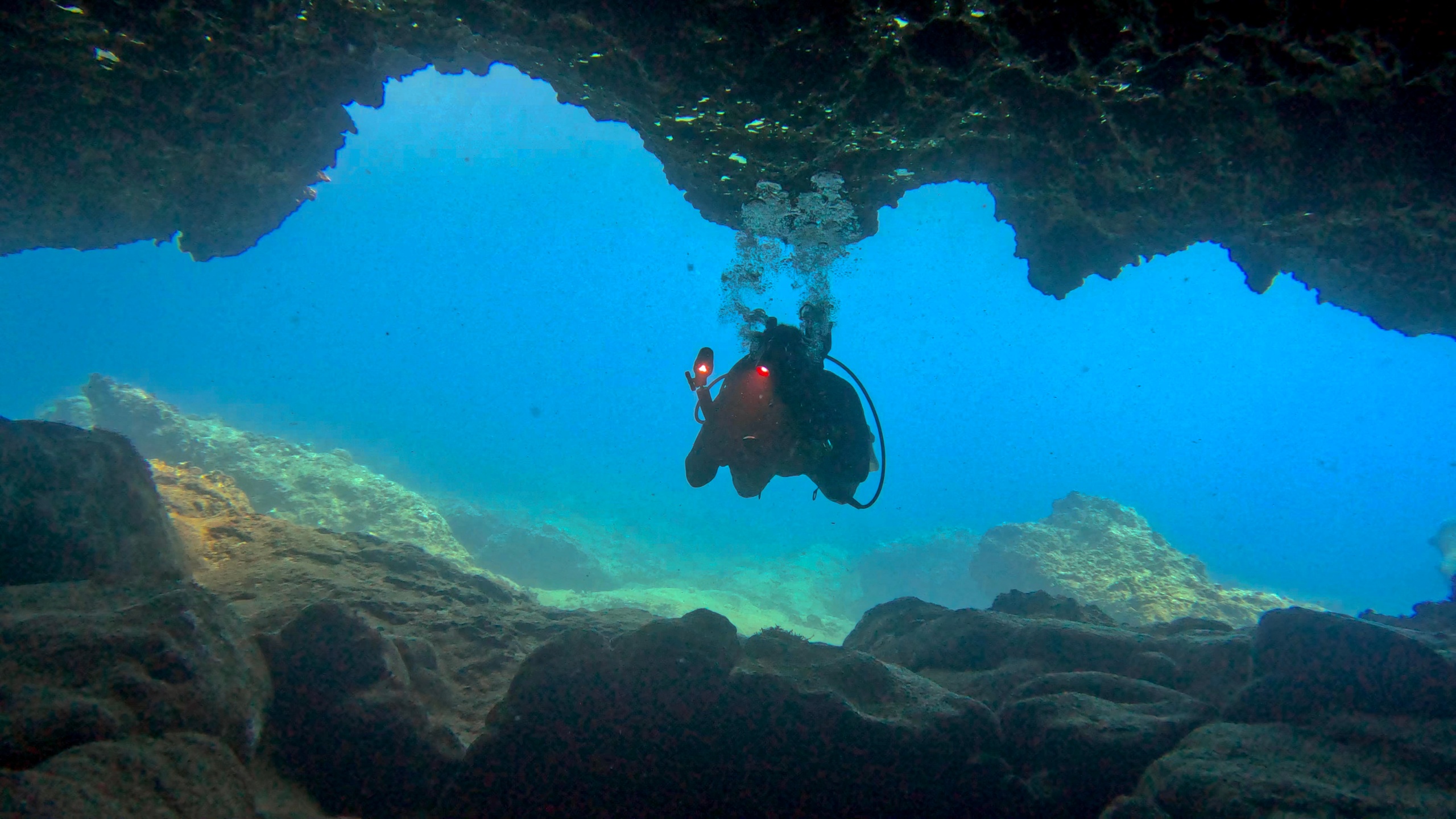
Kapolei sits on Oʻahu’s leeward shore, where trade winds often bend offshore and reef-topography creates pockets of calm that welcome scuba divers of varying experience. The first thing you notice when gearing up on a Kapolei boat dock or stepping into a protected lagoon is the water—warm, clear, and colored in layered blues that fall away to coral walls and lava-scoured shelves. For travelers seeking approachable Pacific dives without a long run, Kapolei delivers: short boat rides and accessible shore entries connect divers to fringing reefs, coral gardens, and ledges that teem with life. Beyond the immediate sensory draw, Kapolei’s appeal is practical. The region’s dive options span quick-skill shore dives in Ko Olina’s sheltered lagoons, family-friendly reef floats ideal for newly certified divers, and short offshore runs to deeper drop-offs, ledges, and seasonal pelagic corridors. That variety lets a group with mixed cert levels split into comfortable options—one partner on a shallow reef fish survey while a more advanced buddy makes a 60-foot reef wall inspection. Local operators tend to run focused, small-boat trips that emphasize safety briefings, current assessment, and conservation-minded practices. For many visitors, the combination of predictable logistics, weekday calm, and prompt access to dive sites makes Kapolei an efficient place to knock out advanced certifications, complete specialty dives like night or deep, or simply add regular sea-time to a Hawaiian itinerary. Culturally and environmentally, diving off Kapolei offers a chance to witness the living reef systems that sustain local fisheries and link tightly to island traditions. Oʻahu’s coral communities have faced stressors—bleaching events, coastal development, and marine debris—and local dive operators and volunteer groups increasingly use dives as opportunities for monitoring and cleanup. Visiting divers who practice good buoyancy and follow reef-safe practices not only enjoy better photography and encounters but also help reduce pressure on vulnerable corals and native species. Finally, Kapolei’s geography makes it an appealing staging ground for combined adventures. A morning of scuba can be followed by paddleboarding in a lagoon, a coastal hike with ocean cliffs as a backdrop, or an evening of beachside dining that centers fresh, island-grown fare. For travelers who want their underwater time to connect seamlessly to above-water comforts—short drives, family-friendly lodging, and simple transfers—Kapolei strikes a useful balance between the practical and the sublime.

The variety is the draw: sheltered lagoon shore dives, shallow coral gardens for new divers, and quick boat runs to reef walls and ledges suitable for deeper, more technical work.

Operators emphasize conservation: many trips include reef briefings on proper interaction, opportunities to participate in citizen-science surveys, and guidance on minimizing impact to corals and turtle habitat.

The harbor is the gateway, and the Pacific becomes the classroom.

Kapolei’s leeward location makes diving possible year-round, though seasonal swells and trade-wind shifts can change site choices and surface conditions.
Activity focus

Choose by purpose

Whale watching, snorkeling, sunset sailing, cultural canoeing, harbor sightseeing, or private chartering.

Departure hubs

Start near the city

Waikiki and Honolulu Harbor are primary hubs, with some trips launching near Hanauma Bay.

Accessibility

Confirm the vessel

Gangways, shaded seating, and boarding requirements vary according to vessel size and operator.

Seasonal planning

Best Time to Visit

Kapolei is warm year-round, but wind, swell, migration, visibility, and demand change the best match between traveler and trip.

Kapolei boat tour
Year-round destination

Seasonal highlights change the reason to go

Winter favors humpback encounters; warmer, calmer months favor snorkeling visibility and smoother water.

Humpback season

Summer and early fall are busiest for water activities and boat trips; plan and book in advance for weekend departures.

Prime whale watching, winter holidays, higher demand, and earlier sell-outs.

Snorkeling window

April–May–June–July–August–September–October

Typically gentler seas and clearer water for snorkeling trips.

Weather notes

Trade winds year-round

Leeward Kapolei tends toward calmer seas in late spring through fall, offering clearer surface conditions and reduced swell. Winter months can bring larger north and west swells that shift operators to more sheltered sites or cancel certain offshore runs.

Quieter opportunities

Late spring & summer weekdays

Winter can yield dramatic surf and unique big-animal sightings offshore when trips run; weekday calm days still provide excellent diving with fewer crowds.

Match the trip to your comfort

Choose Your Experience Level

Low effort

Beginner

Shallow lagoon dives and protected fringing reefs with gentle slopes and minimal current—ideal for newly certified divers and discovery programs.

  • Protected Ko Olina lagoon shore dive
  • Guided shallow coral garden
  • Introductory night-biology shore dive
Active day trip

Intermediate

Boat-access reef walls and ledges with moderate depth and occasional mild currents; suitable for logged divers seeking richer reef topography and more varied marine life.

  • Boat reef wall with swim-throughs
  • Drift section along a leeward ledge
  • Night boat dive focusing on nocturnal reef activity
Longer or technical

Advanced

Deeper wall and ledge dives, limited-visibility pelagic runs, and specialty dives that may require advanced certification or experience with currents and deeper profiles.

  • Deep ledge and drop-off dives
  • Specialty wreck or technical-oriented boat runs (operator-dependent)
  • Advanced navigation or deep photography dives

Prepare for sun, spray, and swell

What to Bring

Essential

Core kit

  • Open-water certification card and photo ID
  • Mask, snorkel, and comfortable fins (rent or bring your own)
  • Exposure protection: 3mm–5mm wetsuit or rashguard depending on tolerance
  • Dive logbook and any relevant specialty certification cards
  • Reef-safe sunscreen and a small towel
Recommended

Useful extras

  • Slate or dive computer for depth/time tracking
  • Personal BCD/backup weights if you prefer your own fit
  • Surface signaling device (SMB or whistle) for boat dives
  • Small personal first-aid items like blister pads
Optional

Trip-specific

  • Underwater camera or compact action camera
  • Light for night dives or overcast days
  • Spare mouthpiece and mask strap
Always verify operator credentials, recent site conditions, and marine-area regulations before booking or diving.

Insider Tips & Local Knowledge

Reserve whale-watching and popular sunset cruises well ahead during December–April.
Choose morning snorkeling departures for calmer seas and better underwater visibility.
For motion sensitivity, choose a larger vessel, sit mid-ship, and take preventative medication before boarding.
Do not touch coral or wildlife, avoid standing on reefs, and use reef-safe sunscreen.
Community-based operators may add context about traditional navigation and stewardship.
Arrive early for parking and check-in because Waikiki departure areas can be busy.

Planning questions

Frequently Asked Questions

Yes—recreational boat and shore dive sites typically require at least Open Water certification. Many operators offer discover-scuba experiences for beginners in very controlled, shallow settings.
Top Scuba Adventures in Kapolei, Hawaii
Ready for your scuba adventure?

Browse 141 verified trips in Kapolei.

Compare current availability and book with instant confirmation.

Explore Kapolei scuba