Boat Rentals in Key Largo, Florida: A Complete Guide
Key Largo Boat Rental Guide

Boat Rentals in Key Largo, Florida: A Complete Guide

Key Largo is the gateway to crystalline flats, living coral reefs, and a coastline best seen from the water. Renting a boat here transforms the Keys from a postcard into a private atlas of mangrove islands, snorkeling anchorages, and offshore bluewater. This guide focuses on renting and running boats in Key Largo—from calm bay skiffs to center-console charters—so you can plan routes, understand conditions, and pick the right vessel for your day on the water.

Florida KeysJohn Pennekamp Coral Reef State ParkFlorida Bay

Live destination inventory

Top Boat Rental Trips in Key Largo

33 trips · Book with confidence · Instant confirmation

The prototype intentionally does not invent replacement trip cards or add images that are not already part of the live source page.

The city from the water

Why Key Largo Is the Place to Rent a Boat

Key Largo sits at the ecological and cultural hinge between mainland Florida and the string of coral islands that make up the Keys. Rent a boat here and you’re not just hiring transport; you’re buying access—to a mosaic of ecosystems arranged like postcards across the water: shallow seagrass flats where bonefish ghost beneath the surface, ribbon reefs that host parrotfish and hawksbill turtles, and mangrove mazes that cradle birds and juvenile fish. The water is the focal point of local life—commercial and recreational fishing, coral conservation, and an evolving tourism culture built around the sea. That unique mix makes Key Largo especially satisfying for boat renters because variety is within a single day’s reach. From a practical standpoint, Key Largo is one of the most user-friendly places to take a rented boat. The geography funnels both sheltered paddling and open-water options within minutes—protected bays and channels for learners, while a straight shot to John Pennekamp Coral Reef State Park or offshore reef ledges offers instant snorkeling or drift-fishing access. Unlike large coastal harbors where travel to truly scenic water takes an hour or more, a modest boat outing from Key Largo can place you on living coral or an uninhabited sandbar in under 30 minutes. For people who value time on the water over transit, that proximity changes trip planning: morning snorkel at a shallow reef, a midday picnic on a sandy patch, an afternoon cast for mangrove snapper, then a sunset cruise back. Cultural resonance deepens the experience. The Keys’ maritime history—of sponge and shrimp boats, from the Cuban fishing traditions to the rise of sportfishing—lends a local vocabulary to boating here. You’ll hear captains and rental staff point out shipwrecks that double as artificial reefs, discuss coral restoration projects, or offer a short lesson in how currents run across the reef. Renters become temporary stewards: the region’s reefs are sensitive, and good local operators brief customers on anchoring etiquette, how to approach turtles and rays, and why sunscreen choices matter. That stewardship is part of the value of renting in Key Largo; many rental operators actively educate customers so a dayboat becomes a classroom for marine awareness. Finally, accessibility and choices matter. Boat rentals in Key Largo come in many forms—from wobbly but forgiving skiffs for mangrove exploration to nimble center consoles for reef runs and roomy deck boats for family days. If you prefer not to captain, captained charters are plentiful; for hands-on adventurers, many rental outfits offer short proficiency briefings and simple navigational charts for self-drive guests. This flexibility—choice of vessel, route, and skill level—paired with the immediate access to iconic marine environments, is why Key Largo feels like a boating destination designed for exploration rather than transit. Whether you come for cast-and-release flats fishing, glassy snorkel lagoons, or a slow-moving wildlife watch through mangrove channels, renting a boat here amplifies the Keys’ best qualities into an intimate, personal itinerary.

Key Largo condenses a huge variety of marine terrain—mangroves, seagrass flats, reef crests—into short distances, making diverse half-day or full-day itineraries realistic for all skill levels.

Local operators emphasize reef-friendly practices and can customize trips for snorkeling, fishing, shelling, or wildlife photography; many provide basic safety briefings and charts.

The harbor is the gateway, and the Pacific becomes the classroom.

Boating here supports local conservation and small-business economies—ask about reef restoration and catch-and-release practices when you rent.
Activity focus

Choose by purpose

Whale watching, snorkeling, sunset sailing, cultural canoeing, harbor sightseeing, or private chartering.

Departure hubs

Start near the city

Waikiki and Honolulu Harbor are primary hubs, with some trips launching near Hanauma Bay.

Accessibility

Confirm the vessel

Gangways, shaded seating, and boarding requirements vary according to vessel size and operator.

Seasonal planning

Best Time to Visit

Key Largo is warm year-round, but wind, swell, migration, visibility, and demand change the best match between traveler and trip.

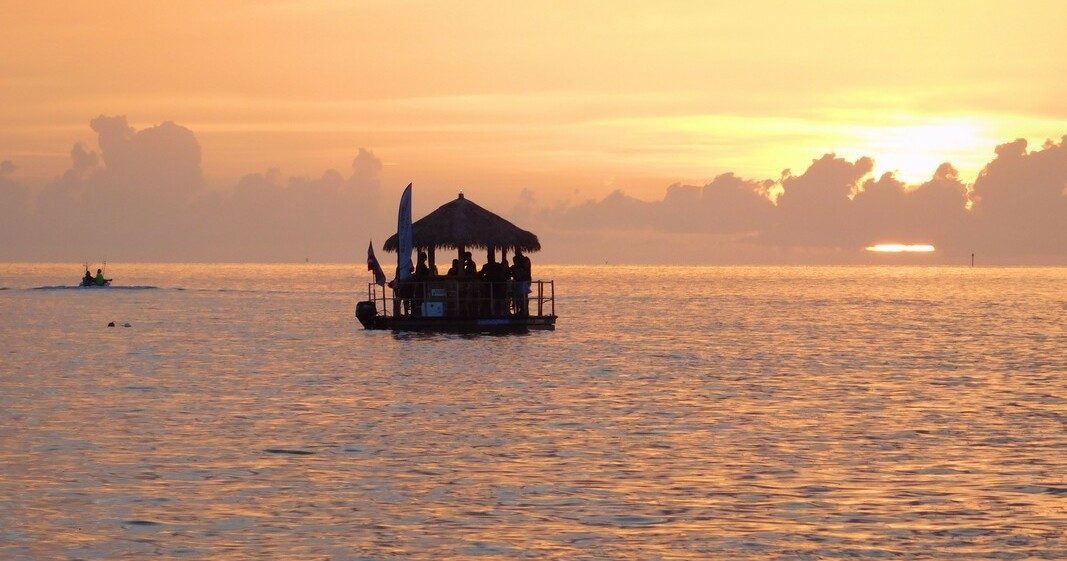
Key Largo boat tour
Year-round destination

Seasonal highlights change the reason to go

Winter favors humpback encounters; warmer, calmer months favor snorkeling visibility and smoother water.

Humpback season

December–April (holiday travel and winter visitors increase demand for rentals and charters).

Prime whale watching, winter holidays, higher demand, and earlier sell-outs.

Snorkeling window

November–December–January–February–March–April

Typically gentler seas and clearer water for snorkeling trips.

Weather notes

Trade winds year-round

Winter and early spring bring comfortable temperatures, calmer seas, and lower rainfall—ideal for long days on the water. Summers are hot with higher humidity and afternoon thunderstorms; late summer into early fall is hurricane season and can bring unsettled conditions and cancellations.

Quieter opportunities

Late spring & summer weekdays

Summer months often have lower rental rates and fewer crowds; anglers targeting certain species use early summer. Be mindful of afternoon storms and flexible cancellation policies during hurricane season (June–November).

Match the trip to your comfort

Choose Your Experience Level

Low effort

Beginner

Ideal for newcomers or families: calm bays, protected channels, and slow-moving pontoon outings that require minimal navigation and steady seas.

  • Half-day pontoon cruise to sheltered sandbars
  • Short guided snorkeling trip to an easily accessible reef
  • Morning mangrove exploration and birdwatching in Florida Bay
Active day trip

Intermediate

For boaters comfortable with coastal navigation and moderate chop: center-console runs to offshore reefs, mixed snorkel-and-fish itineraries, and longer island-hopping days.

  • Full-day snorkel loop at multiple reef patches
  • Combination fishing and reef snorkeling charter
  • Self-drive route from Key Largo to Alligator Reef and back
Longer or technical

Advanced

Experienced captains and anglers who tackle open-water conditions, longer offshore runs, or technical flats fishing around passes and channels.

  • Bluewater trolling for pelagics on a larger center console
  • Night or early-morning flats fishing for bonefish and permit
  • Extended trips into the upper Keys or the deeper reef ledges with current and weather planning

Prepare for sun, spray, and swell

What to Bring

Essential

Core kit

  • Government-issued ID and copy of reservation/boat contract
  • Swimwear, quick-dry layers, and a light windshirt
  • Sunscreen labeled 'reef-safe' (non-nano zinc oxide preferred)
  • Hat, polarized sunglasses, and a waterproof phone case
  • Reusable water bottle and high-energy snacks
Recommended

Useful extras

  • Basic seasickness remedy if you’re sensitive to chop
  • Waterproof dry bag for valuables and spare clothes
  • Light first-aid kit and motion-sickness wristbands
  • Snorkel gear if you prefer your own fit (many rentals provide basic kits)
  • Handheld VHF or charged phone in a waterproof pouch
Optional

Trip-specific

  • Portable cooler with ice for food and beverages
  • Lightweight folding anchor or kelp hook for tiny sandbars
  • Underwater camera or GoPro for reef shots
  • Towel clips and a quick-dry towel
  • Fishing license if you plan to keep catch (verify local rules)
Always check local weather, tides, and park advisories before departure.

Insider Tips & Local Knowledge

Reserve whale-watching and popular sunset cruises well ahead during December–April.
Choose morning snorkeling departures for calmer seas and better underwater visibility.
For motion sensitivity, choose a larger vessel, sit mid-ship, and take preventative medication before boarding.
Do not touch coral or wildlife, avoid standing on reefs, and use reef-safe sunscreen.
Community-based operators may add context about traditional navigation and stewardship.
Arrive early for parking and check-in because Waikiki departure areas can be busy.

Planning questions

Frequently Asked Questions

Florida requires that vessel operators born on or after January 1, 1988 complete an approved boater education course for certain vessels. Many rental companies offer captain services if you don’t meet requirements or prefer not to drive. Always confirm operator requirements with your rental provider.
Boat Rentals in Key Largo, Florida: A Complete Guide
Ready for your boat rental adventure?

Browse 33 verified trips in Key Largo.

Compare current availability and book with instant confirmation.

Explore Key Largo boat rental