Why Key Largo Is a Standout Dolphin Destination
Key Largo sits at an intersection of shallow bays, mangrove corridors, and the offshore reef tract, creating a mosaic of habitats that sustain healthy local dolphin populations. Bottlenose dolphins, the everyday stars, use shallow flats and channels for feeding and socializing; families often move in tight-knit pods with calves visible at the surface. The water here is warm enough for extended seasonal residency, so sightings are frequent and not limited to brief migration windows. But it’s the combination of geography and human access that makes Key Largo special: you can launch a morning trip from small, private-brokered charters, or join larger eco-operators that know where dolphins like to hunt the edges of seagrass and coral. That proximity fosters spectacular moments—synchronized bow-riding off a skiff, a curious youngster trailing a paddleboard, or a distant line of dorsal fins cutting through sunrise glass—but those moments demand responsibility from guides and visitors alike.
Beyond the thrill, there’s a layered cultural and conservation story here. Key Largo has long been a hub for marine research and citizen science; local organizations monitor dolphin populations, report strandings, and run rehabilitation efforts. Many outfitters collaborate with those programs, turning leisure trips into low-effort contributions to ongoing studies—observations logged, behavior categorized, photos shared with researchers. Historically, the Keys’ marine economy evolved from net-fishing and sponge diving to reef tourism and sportfishing, and dolphins have been both a fixture of local lore and a living reminder of the resource shifts that shaped island life. Visitors can learn this context on board: experienced naturalists describe how boat traffic, coastal development, and water quality influence dolphin behavior, and how simple etiquette—slow approaches, turning off engines when animals show interest, and never feeding wildlife—keeps encounters wild and meaningful.
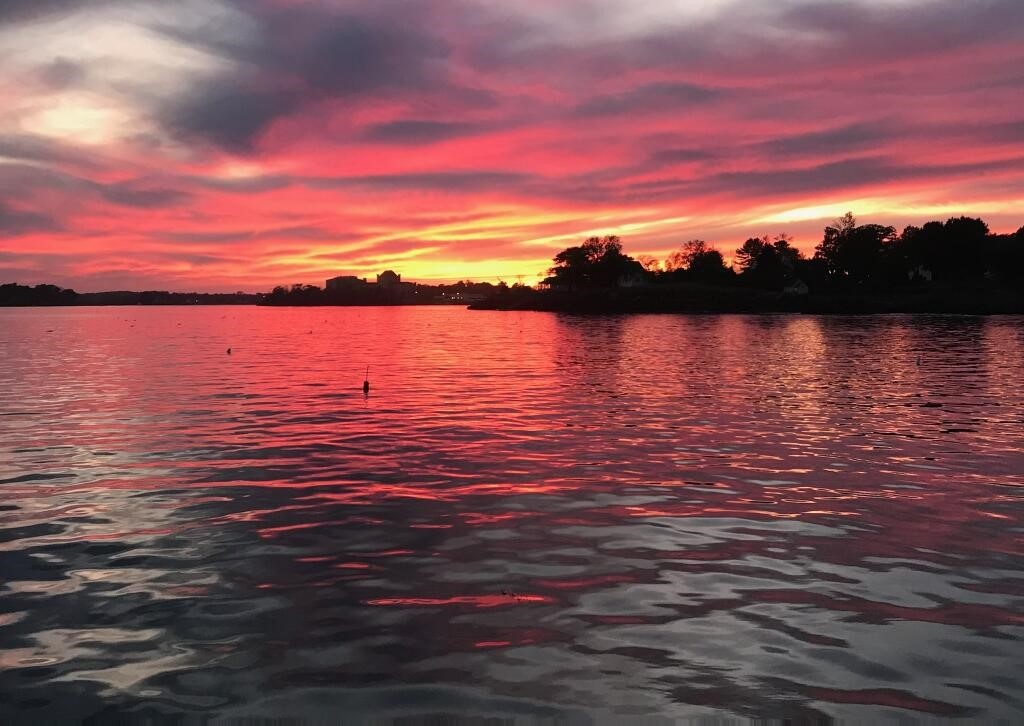
Practically, dolphin experiences in Key Largo are diverse. Glass-bottom and reef boats offer gentle, family-friendly viewing combined with coral snorkeling. Small-boat excursions and kayaks provide intimate, low-impact opportunities where a quiet glide can reveal a curious dolphin under the hull. For photographers and naturalists, sunrise trips minimize glare and maximize activity; for casual travelers, late-afternoon outings pair dolphin watching with a Keys sunset. Weather and sea state shape which option is best on any given day: calm, clear conditions favor snorkeling and paddling; breezy days push operators into deeper channels where different behaviors emerge. Whatever the choice, the best operators balance spectacle with stewardship—prioritizing animal welfare, sharing natural history, and helping visitors leave Key Largo with both a memory and a deeper appreciation for the fragile marine systems that support those dorsal fins.
Key Largo’s dolphins are primarily bottlenose, often sighted nearshore in small social groups and occasionally in larger aggregations around productive feeding grounds.
Responsible operators emphasize NOAA guidelines and local sanctuaries: maintain respectful distances, avoid direct pursuit, and never feed or try to touch wild dolphins.
Trips range from family-friendly glass-bottom boat tours to intimate kayak and small-skiff outings that double as citizen-science opportunities.