Photography Tours on Kiawah Island, South Carolina
Kiawah Island Photography Tour Guide

Photography Tours on Kiawah Island, South Carolina

Kiawah Island compresses a dozen distinct coastal motifs into a single, photographable island: glassy tidal creeks, blue Atlantic surf, sprawling marsh geometry, and the intimate textures of maritime oak groves. Photography tours here move with the tides and the light—sunrise over the eastern beaches, golden-hour reflections in the salt marsh, and long shadows in the maritime forest. Whether you want shorebird telephoto sessions, abstract marshland compositions, or gentle landscape work framed by dunes and sea oats, Kiawah's accessible networks of boardwalks and beaches make it an efficient, low-stress place to focus on making images.

Lowcountry MarshesBarrier-Island BeachesEstuary & Tidal CreeksMaritime Forests

Live destination inventory

Top Photography Tour Trips in Kiawah Island

11 trips · Book with confidence · Instant confirmation

The prototype intentionally does not invent replacement trip cards or add images that are not already part of the live source page.

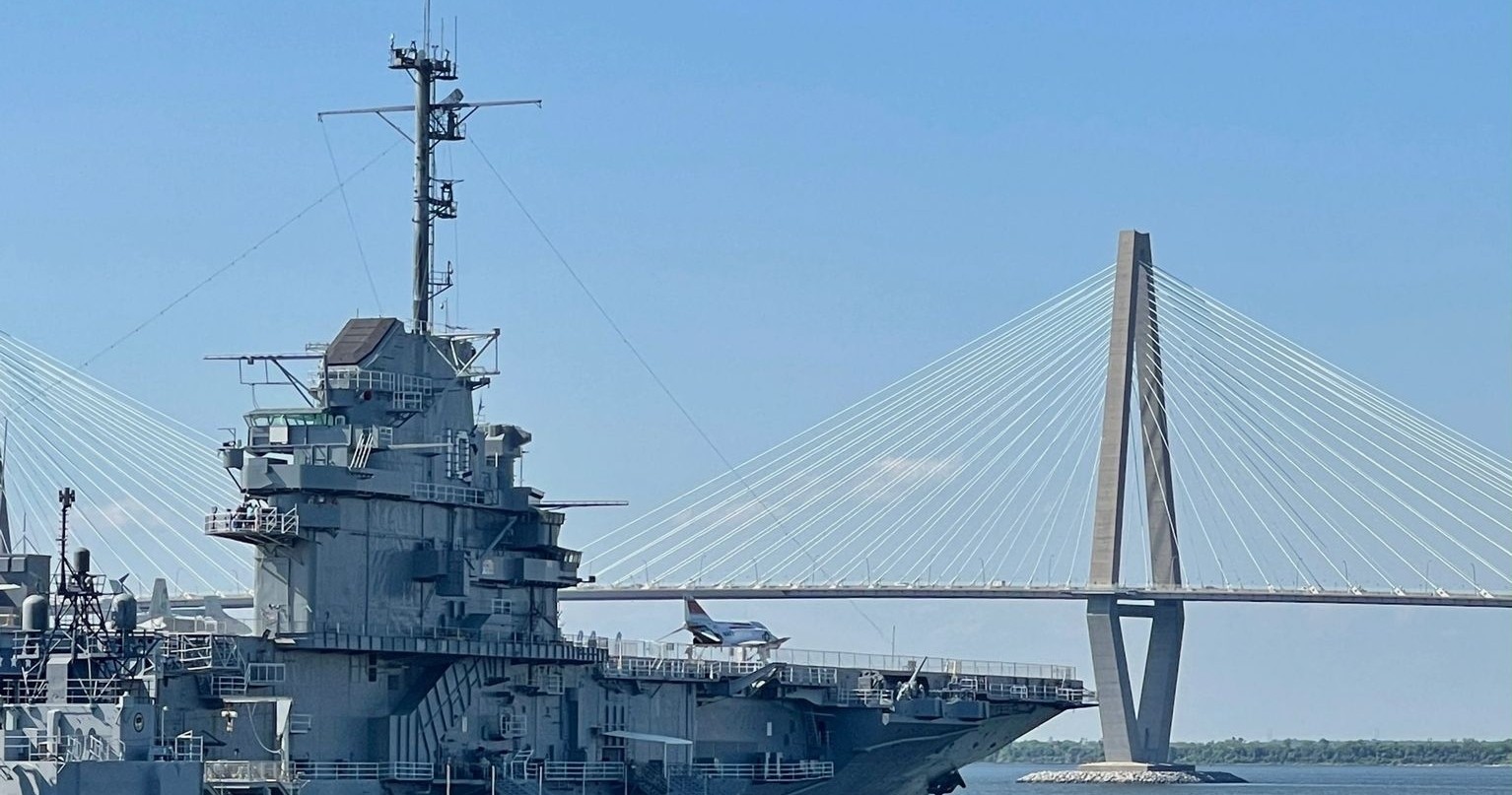
The city from the water

Why Kiawah Island Is a Standout Photography Tour Destination

Kiawah Island is a study in coastal light. The island’s character shifts with the tide: at low water, the marsh opens like a mirror and the mudflats reveal patterns of rivulets and shell beds; at high tide the marshes push up against narrow mud edges and estuary channels carve fluid lines that catch dawn and dusk. Photographers come for these dynamic contrasts—soft, diffuse overcast that flattens tonal ranges for monochrome marsh studies; brutal, crisp sunlight that sculpts dunes and plucks out textures in the grasses; and the long, warm angles of golden hour that turn oaks and live oaks into chiaroscuro subjects. Beyond pure light, Kiawah’s terrain rewards a range of compositional interests. The Atlantic beaches offer minimalism—horizon lines, wind-raked sand, and the occasional washed flotsam—while the estuary and tidal creeks supply micro-landscapes: fiddler crabs, oyster beds, and waterlines that map tidal history. Maritime forests give you intimate portraiture of gnarled trunks, Spanish moss, and filtered beams. And because the island is part of a living ecosystem where shorebirds and migrating species use the island as a stopover, wildlife and bird photography slot naturally into tour itineraries. A late-winter run of waterfowl and fall shorebird migration can be a masterclass in telephoto technique, while sea turtle nesting season shifts focus toward nocturnal, low-light methods and ethical distance shooting. Practically, Kiawah is unusually forgiving for photographers who want to combine craft with comfort. A network of boardwalks, designated beach access points, and a well-maintained road system reduce the heavy hiking that often limits gear choices elsewhere. Local guides know the microtiming of tides and bird movements—on a single morning you might photograph a pastel sunrise on the east-facing beach, hop to a marsh inlet for glassy reflections mid-tide, and finish with telephoto shorebird work on the west-facing flats as the light turns warm. Tours are commonly structured around tides and light windows, so expect itineraries that begin before dawn and close after sunset for the best shots. Culturally and environmentally, Kiawah sits in the Lowcountry tradition. The island’s human history—from Gullah influences on the mainland to its modern conservation-first management—infuses guided experiences with context: low-impact ethics, respect for nesting zones, and an emphasis on leaving no trace. That conservation ethic also means photographers must be prepared to adapt: certain beaches, dunes, or marsh edges may be seasonally protected, and guides will prioritize wildlife welfare over the perfect angle. All of this makes Kiawah a place to refine both your eye and your practice—learning not just to capture beautiful images but to do so with patience, timing, and respect for a fragile coastal landscape.

Tours are typically organized around tides and migratory calendars: plan around low-tide shorebird windows for intimate beach and mudflat shots, and book spring or fall for the heaviest bird movement. Summer brings dramatic skies and sea turtle nesting nights but also heat and bugs.

Complementary activities that pair naturally with photography tours include kayaking estuary workshops, guided birding walks, and evening boat cruises for sunset compositions. These cross-discipline experiences expand subject opportunities and help photographers access vantage points unreachable by foot.
Activity focus

Choose by purpose

Whale watching, snorkeling, sunset sailing, cultural canoeing, harbor sightseeing, or private chartering.

Departure hubs

Start near the city

Waikiki and Honolulu Harbor are primary hubs, with some trips launching near Hanauma Bay.

Accessibility

Confirm the vessel

Gangways, shaded seating, and boarding requirements vary according to vessel size and operator.

Seasonal planning

Best Time to Visit

Kiawah Island is warm year-round, but wind, swell, migration, visibility, and demand change the best match between traveler and trip.

Kiawah Island boat tour
Year-round destination

Seasonal highlights change the reason to go

Winter favors humpback encounters; warmer, calmer months favor snorkeling visibility and smoother water.

Humpback season

Spring migration and summer beach season are the busiest periods for tours and island access.

Prime whale watching, winter holidays, higher demand, and earlier sell-outs.

Snorkeling window

March–May (spring migration, nesting beginnings)–September–November (fall migration, milder light)–December–February (winter shorebirds, crisp skies)

Typically gentler seas and clearer water for snorkeling trips.

Weather notes

Trade winds year-round

Lowcountry weather is maritime: humid summers with frequent afternoon thunderstorms, mild springs and falls with long golden hours, and occasional nor’easters in winter. Wind and humidity influence lens fogging and exposure choices—check forecasts and tide charts before each outing.

Quieter opportunities

Late spring & summer weekdays

Winter offers quieter beaches and strong possibilities for raptor and waterfowl photography; late-fall storms can produce dramatic skies for abstract seascapes.

Match the trip to your comfort

Choose Your Experience Level

Low effort

Beginner

Short, guided sessions focusing on composition, sunrise/sunset basics, and easy-access spots where you can practice without long hikes.

  • Sunrise beach composition workshop
  • Maritime forest portrait & texture walk
  • Beginner-friendly golden-hour marsh session
Active day trip

Intermediate

Half-day tours that include tide-aware itineraries, some off-boardwalk marsh exploration, and intermediate wildlife/telephoto techniques.

  • Tidal-creek reflections and abstract marsh patterns
  • Shorebird telephoto session at low tide
  • Estuary kayak + photography combo
Longer or technical

Advanced

Custom multi-subject tours: long-lens wildlife targeting, night/astro shoots, or commercial-oriented shoots requiring advanced logistics and timing.

  • Night sea turtle lighting and ethical documentation (seasonal)
  • Multi-hour storm-chasing seascape workshop
  • Long-lens migration and passerine tracking session

Prepare for sun, spray, and swell

What to Bring

Essential

Core kit

  • Camera body and a range of lenses (wide-angle to 70–200mm or 100–400mm for birds)
  • Sturdy tripod (lightweight carbon recommended for walking)
  • Polarizer and neutral-density filters
  • Rain protection for camera and yourself (waterproof bag or cover)
  • Tide timetable or app and charged phone with offline maps
Recommended

Useful extras

  • Long telephoto (300mm+) or extender for shorebirds and waterfowl
  • Lens cloths and blower for sandy, salty conditions
  • Lightweight waterproof boots or closed shoes for marsh edges
  • Sun protection, insect repellent, and electrolyte snacks
Optional

Trip-specific

  • Portable reflector for portrait-style environmental shots
  • Headlamp for night sessions or pre-dawn starts
  • Waterproof phone pouch for quick shots
  • Extra batteries and memory cards stored in ziplocks
Always check tide charts, sunrise/sunset times, and local wildlife advisories before a shoot. Respect closures and maintain distance from nesting animals.

Insider Tips & Local Knowledge

Reserve whale-watching and popular sunset cruises well ahead during December–April.
Choose morning snorkeling departures for calmer seas and better underwater visibility.
For motion sensitivity, choose a larger vessel, sit mid-ship, and take preventative medication before boarding.
Do not touch coral or wildlife, avoid standing on reefs, and use reef-safe sunscreen.
Community-based operators may add context about traditional navigation and stewardship.
Arrive early for parking and check-in because Waikiki departure areas can be busy.

Planning questions

Frequently Asked Questions

Public beaches and boardwalks are generally accessible, but some areas and organized tours may have private access rules or seasonal restrictions. For commercial shoots or drone use, check local regulations and property rules; guided tours handle site permissions as part of their service.
Photography Tours on Kiawah Island, South Carolina
Ready for your photography tour adventure?

Browse 11 verified trips in Kiawah Island.

Compare current availability and book with instant confirmation.

Explore Kiawah Island photography tour