Why Kīpahulu Is a Standout Destination for Photography Tours
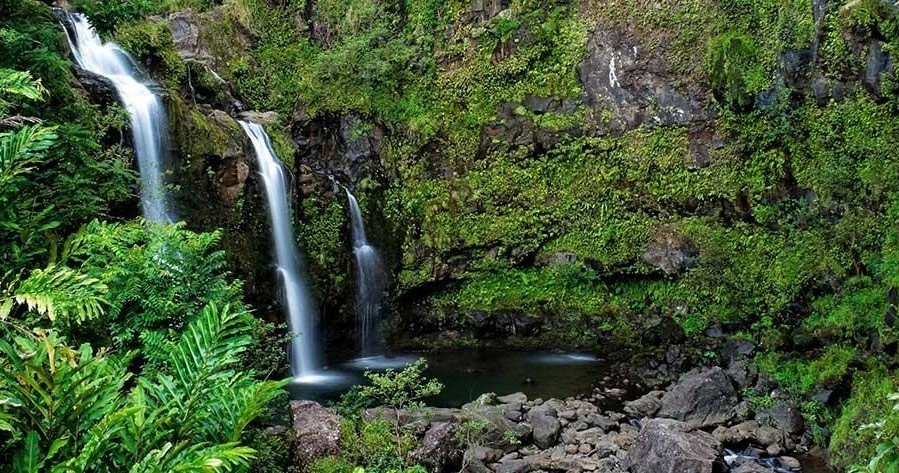
Driving the Hāna Highway toward Kīpahulu feels like slowing time: each turn revises the light, and every roadside cascade promises a frame. Photographers are drawn here not for a single landmark but for contrasts—brittle coastal cliffs that drop into surf, the lush green of wet valleys, and trails that climb under cathedral stands of bamboo to waterfalls that are both thunder and texture. The district’s compact geography concentrates many of Maui’s most photogenic elements, which means a well-planned photography tour can yield a portfolio of coastal panoramas, intimate botanical studies, and long-exposure waterfall work in a single day.
What makes Kīpahulu especially rich for image-making is the relationship between weather and mood. Trade winds sweep in moisture from the Pacific; pop-up showers and mist sculpt light into transient beams and soft surrounds, perfect for shooting layered landscapes and shaded forest interiors. Sunrise and sunset are obvious jewels—the eastern exposure offers a softer sunrise palette along sheltered coves, while late-day light along certain headlands creates saturated colors and dramatic silhouettes. Between those extremes, the canopy and tidal pools provide shelter from harsh midday contrast, and small details—pōhaku (rocks), wet ferns, taro terraces—become compelling subjects under diffused light.
Kīpahulu’s cultural history is inseparable from its imagery. Ancient agricultural terraces, wahi kūpuna (sacred sites), and small coastal settlements are often part of a responsible photographer’s itinerary; touring with a guide who understands cultural sensitivity helps ensure images respect the living landscape and its caretakers. Many local tours incorporate short interpretive segments—introductions to native plants or the cultural importance of certain sites—so photographers can contextualize their work and often access vantage points they might otherwise miss.
Practically speaking, Kīpahulu is a place of variable access. Some of the best compositions are a short, flat walk from roadside parking; others require a half-day hike along the Pipiwai Trail to reach Waimoku Falls or to work light in the bamboo forest. The coastline can be treacherous—slick rocks, unpredictable surf, and narrow ledges—so guided tours are popular for safety and local knowledge. For traveling photographers who value logistics as much as light, Kīpahulu’s compactness means less time commuting and more time crafting shots. Complementary activities—wildlife and seabird watching, snorkeling near calmer coves, and cultural site visits—add texture to a photography-focused trip and can produce unexpected frames when combined with patient observation.
Kīpahulu concentrates a wide range of photography subjects—coastal panoramas, black-sand beaches, tidal pools, waterfalls, and dense bamboo corridors—within a short driving radius from Hāna.
Weather shapes the work: quick tropical showers can create dramatic cloudscapes and saturated foliage, while trade-wind afternoons produce clearer skies and sharper coastal light.
Cultural context matters—working with local guides helps photographers find meaningful compositions while respecting wahi kūpuna and private land.
Tours range from short sunrise sessions to half-day shoots that include hiking and tide-aware coastal scouting; choose a pace that matches your fitness and gear load.