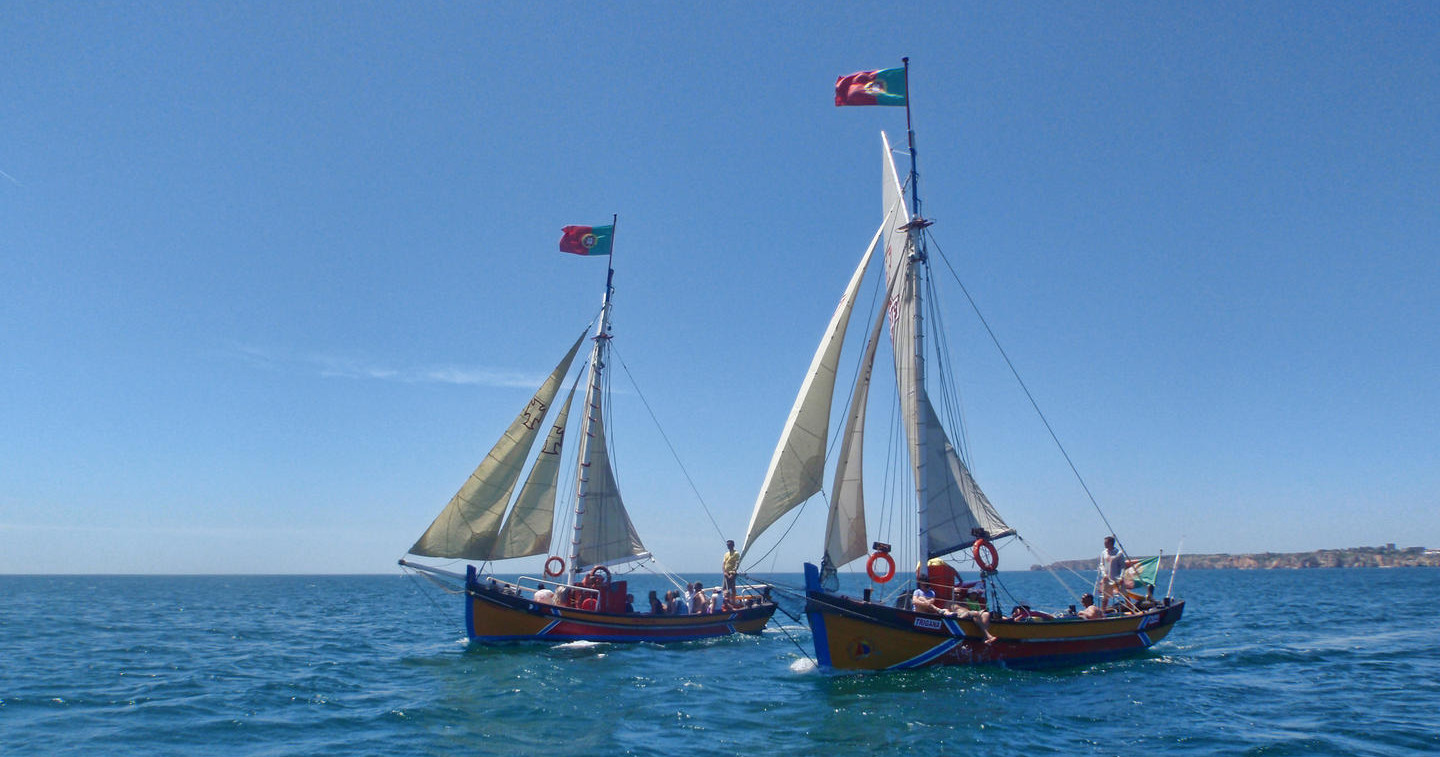
Why Lagos & Faro Are Premier Sailing Destinations
Stretching along the southern edge of Portugal, the Algarve reads like a sailor's atlas: hidden coves, sculpted limestone cliffs, and a mile-after-mile coastline of turquoise shelves and wind-whipped Atlantic. Lagos sits where the coastline becomes theatrical—Ponta da Piedade’s towering stacks and sea-arched headlands create an arena for day sails and photo-rich, close-shore cruising. Faro marks a calmer counterpoint: the Ria Formosa lagoon is a sheltered network of channels, sandbanks, and salt flats that invites slow exploration by sailboat, catamaran, or traditional 'moliceiro' skiff.
What makes the Lagos–Faro corridor special is variety. In a single season you can tack from adrenaline-tinged coastal sailing—where wind and swell shape a more seafaring day—to tranquil, glassy afternoons inside the Ria Formosa where families and wildlife watchers swap reef-crest spray for flamingo sightings. The region’s climate delivers a reliable summer sea breeze (often called the nortada) that keeps sails powered from late spring through early autumn, making predictable day-trip options abundant during fair-weather months.
Culturally, sailing here dovetails with a storied maritime history—from age-of-discovery ports to present-day fisheries—so coastal stops are rarely just scenic: you'll find fishing villages with seafood markets, rustic quay-side cafés, and harbors where local captains still read the sea like a map. For active travelers, combine sailing with snorkeling, cliff-side hiking, coastal cycling, or a kayak trip into sea caves for a fuller perspective of the coastline. For learners and sea-averse companions alike, skippered charters and sheltered lagoon routes make the experience accessible without prior experience.
Practically, the dual hubs of Lagos and Faro make planning flexible: launch from Lagos to access dramatic open-coast routes and Benagil-style caves, or base in Faro to explore the Ria's sheltered channels and island beaches. Operators range from small family-run skiffs to luxury catamarans and sailing schools, so whether you want a two-hour introductory cruise, a full-day cave-and-swim itinerary, or an overnight coastal passage, there’s a configuration to match comfort and skill. Seasonal peaks—particularly July and August—bring heavier boat traffic around iconic caves and beaches, so timing and booking matter.
Above all, sailing here rewards attention to sea conditions and modest preparation. The coast can change quickly: swell, onshore wind slop, and tidal shifts affect access to caves and anchorages. When planned thoughtfully, a sail from Lagos to the Ria’s still waters (or the reverse) is less a single activity than a stitched-together sequence of sensory moments: the shock of limestone canyons, the hush of lagoon channels, the salt-light at sunset over a quiet anchorage. It's maritime variety distilled into half-day and full-day options that suit both first-timers and experienced sailors seeking a scenic European coastal cruise.
The varied coastline rewards trip planning: short cliff-hugging runs, protected lagoon sails, and multi-day coastal hops are all achievable without long ocean crossings.
Seasonal winds are generally predictable in summer, but winter brings stronger Atlantic storms and larger swell—ideal for experienced offshore sailors but less suited to casual day trips.
The harbor is the gateway, and the Pacific becomes the classroom.
Local harbors—Lagos, Portimão, Alvor, Faro, and Olhão—provide convenient launching points and logistics for provisioning, repairs, and transfers.
Choose by purpose
Whale watching, snorkeling, sunset sailing, cultural canoeing, harbor sightseeing, or private chartering.
Start near the city
Waikiki and Honolulu Harbor are primary hubs, with some trips launching near Hanauma Bay.
Confirm the vessel
Gangways, shaded seating, and boarding requirements vary according to vessel size and operator.