Why Lahaina Is a Standout Spot for Boat Tours
The story of Lahaina from the water is elemental: basalt headlands, shimmering reef rims, and an ocean corridor—the Auau Channel—whose depth and current funnel marine life, wind, and weather into dramatic displays. Step aboard any Lahaina boat tour and the mainland noises recede; your senses tune to a different scale of time. In winter the channel becomes a theater for North Pacific humpback whales, creatures that travel thousands of miles to birth and socialize in Maui's calmer, warmer seas. On many winter mornings you can watch spouts and breaches unfold against the rising sun, and crew trained in marine behavior will translate those signals into clear takeaways about population health, migration cycles, and respectful viewing distances.
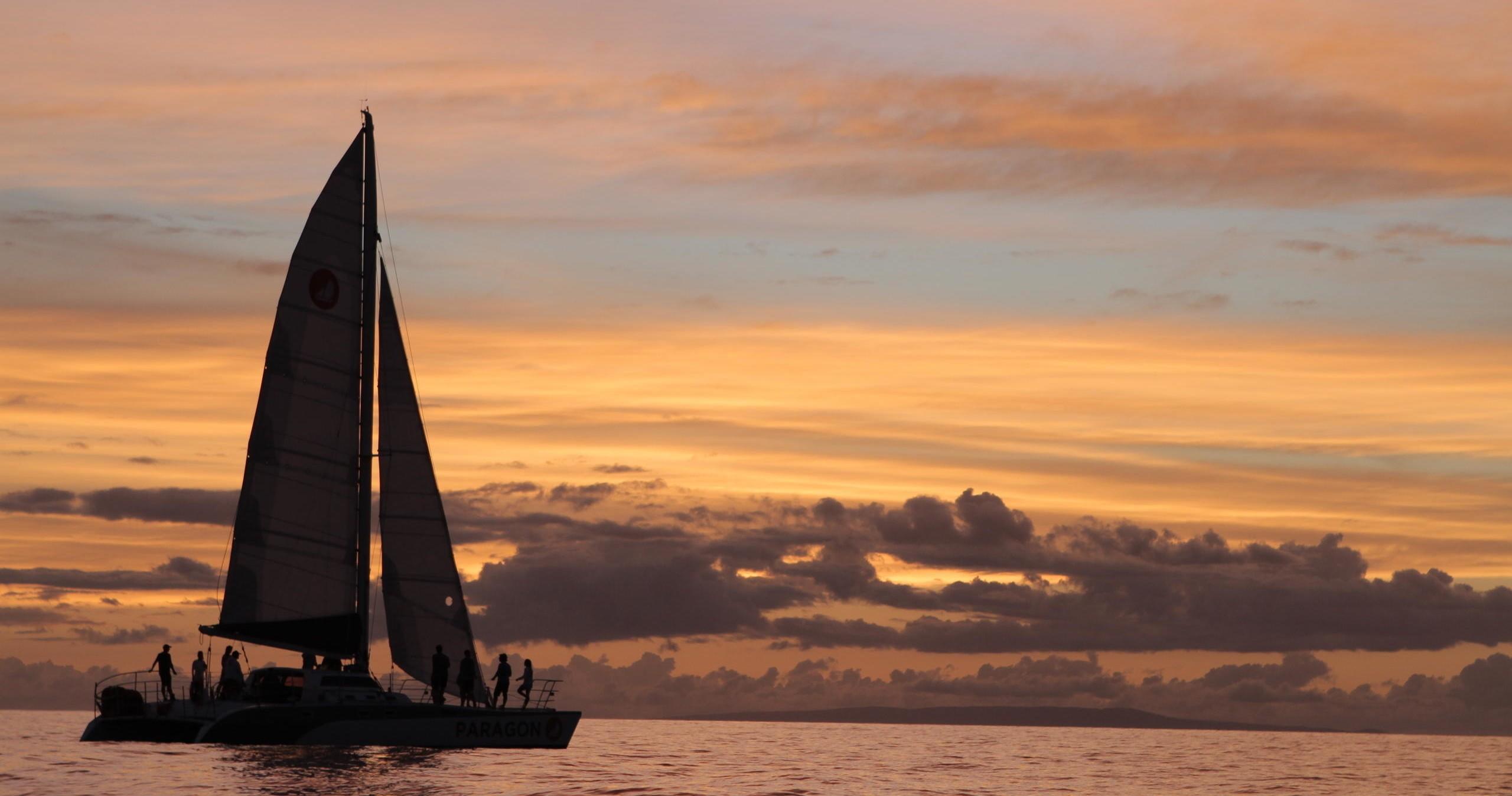
But Lahaina's boats aren't only about whales. The island's volcanic geology has created pockets of protected reef—Molokini Crater and the outlying reef gardens nearer to Lanai and the west side—that deliver extraordinary snorkeling and underwater visibility. Catamarans and smaller snorkel vessels follow predictable swell windows into these sites in summer and early fall, offering travelers a chance to float above coral gardens dotted with parrotfish, tangs, and colorful butterflyfish. For photographers and those seeking the atmospheric side of the sea, sunset sails out of Lahaina Harbor are a different kind of immersion: the wind in the rigging, the island outline softened to silhouette, and an easy social rhythm that suits families and couples alike.
There’s a cultural thread too. Lahaina’s maritime history stretches from Hawaiian voyaging and fishing to the 19th-century whaling era—town records, whaling museums, and a scattering of coastal artifacts anchor the modern boat tour in a longer human relationship with the ocean. Responsible operators often combine narration about natural history with context on native Hawaiian stewardship, reef conservation, and current marine-protection measures, so a boat trip becomes both a sensory experience and a compact ocean lesson. Practical considerations—sea conditions, seasonal winds, and passenger comfort—shape the choice of vessel: larger catamarans offer stability and shade for families and sunset crowds; rigid-hull inflatables and smaller powerboats get you quickly to snorkeling drops and closer to wildlife (within legal viewing distances). Booking strategy matters: reserve whale-season windows early, target midweek departures to avoid weekend crowds, and check recent weather and swell forecasts (trade winds pick up in afternoons and winter storms can roughen the channel). With thoughtful planning, a Lahaina boat tour can be an intimate, informative, and accessible way to read Maui by sea—whether you're chasing a whale breach, floating over a coral garden, or simply watching the coastline shift from a new, salt-strewn angle.
Lahaina Harbor is the primary departure point for most tours—its proximity to Front Street makes same-day bookings and transfers straightforward for visitors staying in West Maui.
Operators vary widely: family-friendly catamarans, small-boat snorkel trips, private luxury charters, and sportfishing boats each offer different pacing, amenities, and itineraries.