Top Dolphin Experiences in Lahaina, Hawaii
Lahaina Dolphin Guide

Top Dolphin Experiences in Lahaina, Hawaii

Off Lahaina’s sunlit shores, dolphins thread the blue in constellations—sleek, social, and startlingly close. This guide focuses on dolphin-focused outings from Lahaina: morning snorkel swims with resident pods, quiet kayak approaches along sheltered coasts, and interpretive boat trips that center behavior, conservation, and safe viewing. Expect an experience that’s part marine wildlife theater, part cultural context, and wholly tied to seasonal seas and weather patterns.

West MauiMā‘alaea HarborKāʻanapali CoastHonolua Bay

Live destination inventory

Top Dolphin Trips in Lahaina

28 trips · Book with confidence · Instant confirmation

The prototype intentionally does not invent replacement trip cards or add images that are not already part of the live source page.

The city from the water

Why Lahaina Is a Standout Place to See Dolphins

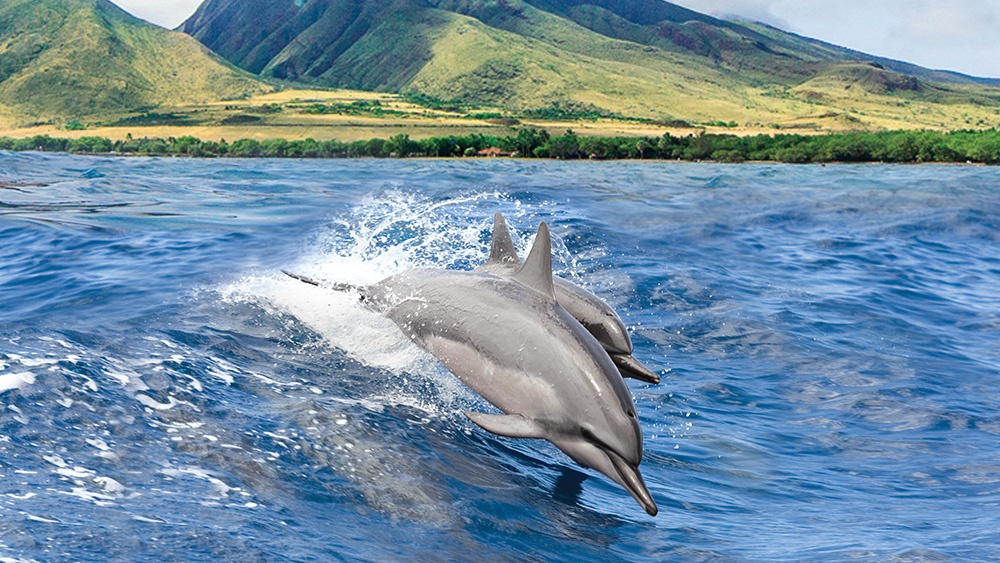
Lahaina sits at the crossroads of reef, shelf, and open ocean—an intersection that favors dolphins. Slip out at dawn and you’re likely to find pods riding the light swell, riding bow waves, or milling in shallow bays where currents concentrate baitfish. The species most travelers encounter around West Maui are spinner and bottlenose dolphins; spinners are known for acrobatic aerial displays and tight social groups, while bottlenose pairs and family groups favor slightly deeper water and more deliberate surface behaviors. What makes Lahaina distinct is the combination of accessible launch points, a diversity of nearshore habitats, and a long tradition of ocean stewardship among local captains and guides. Beyond the animals themselves, dolphin experiences here are braided with culture and ecology. Hawaiian voyaging traditions, native place names, and seasonal fishing practices shape how communities relate to the sea; a responsibly run dolphin trip will weave that perspective into the outing. Equally important is timing and terrain: morning glassy conditions—when trade winds have not yet stiffened—create the most comfortable and productive windows for sightings and snorkeling. In summer months the ocean tends to be calmer, offering clearer water and easier approaches to pods; in the shoulder and winter seasons, larger swells can push activity offshore and make in-water encounters more challenging. Because dolphins are wild, curious, and mobile, the experience rarely follows a script. One morning might include a ballet of spinners in crystalline water; another might be a lesson in spotting dorsal fins from a gently pitching bow. Either way, Lahaina rewards patient observation and a willingness to adapt: listen to the captain’s advice, honor distance recommendations, and prepare to let the animals set the pace. For travelers, Lahaina’s dolphin focus pairs beautifully with nearby adventures—reef snorkels at Honolua Bay, coastal kayak trips that tuck into quiet coves, and comparative marine-watching for whales in winter months. Many guides also offer interpretation about marine ecosystems, from coral health to fisheries management, so a single dolphin excursion can double as a primer in local conservation. The result is an accessible, immersive marine-wildlife experience that balances spectacle with stewardship, perfect for families, repeat visitors, and photographers who prize both action and narrative. Above all, the Lahaina dolphin experience is less about forced proximity and more about shared space: when you watch a pod roll through a sunlit patch, you’re witnessing a fleeting, real connection to the ocean rhythms that have shaped these islands for generations.

Dolphin species: spinner and bottlenose dolphins are the most frequently observed near Lahaina; each offers distinct behaviors—spinners with aerial displays, bottlenose with more surface play and social structure.

Accessibility: numerous launch points and tour operators in Lahaina and Mā‘alaea make dolphin outings easy to add to any West Maui itinerary.

The harbor is the gateway, and the Pacific becomes the classroom.

Complementary activities: pair dolphin watching with snorkeling, kayaking, or an interpretive marine biology talk to deepen context and value.

Conservation context: responsible viewing practices and local regulations help protect resting bays and foraging areas—choose operators that follow NOAA and community guidelines.
Activity focus

Choose by purpose

Whale watching, snorkeling, sunset sailing, cultural canoeing, harbor sightseeing, or private chartering.

Departure hubs

Start near the city

Waikiki and Honolulu Harbor are primary hubs, with some trips launching near Hanauma Bay.

Accessibility

Confirm the vessel

Gangways, shaded seating, and boarding requirements vary according to vessel size and operator.

Seasonal planning

Best Time to Visit

Lahaina is warm year-round, but wind, swell, migration, visibility, and demand change the best match between traveler and trip.

Lahaina boat tour
Year-round destination

Seasonal highlights change the reason to go

Winter favors humpback encounters; warmer, calmer months favor snorkeling visibility and smoother water.

Humpback season

Summer months (June–August) tend to have more calm days for in-water encounters and higher visitor numbers for tours.

Prime whale watching, winter holidays, higher demand, and earlier sell-outs.

Snorkeling window

April–May–June–July–August–September–October

Typically gentler seas and clearer water for snorkeling trips.

Weather notes

Trade winds year-round

Calmer seas and lighter trade winds typically occur in late spring through early fall, improving visibility and the comfort of boat and kayak outings. Winter months can bring increased swell and more variable conditions; however, dolphins remain present year-round.

Quieter opportunities

Late spring & summer weekdays

Winter can offer fewer tour crowds and the added spectacle of humpback whale season—combine a dolphin trip with whale-watching on multi-day itineraries, but expect a higher chance of choppy conditions.

Match the trip to your comfort

Choose Your Experience Level

Low effort

Beginner

Gentle, accessible experiences oriented toward viewing rather than close in-water contact—ideal for families and first-time marine-watchers.

  • Short morning dolphin-watch boat trip from Lahaina harbor
  • Coastal kayak with a naturalist guide keeping distance from pods
  • Shore-based spotting and interpretation at a safe lookout
Active day trip

Intermediate

Active participation with moderate water time—snorkeling alongside distant pods, longer boat trips, and outings that combine dolphin viewing with reef exploration.

  • Half-day snorkel and dolphin combo tour
  • Guided paddle to sheltered bays with in-water guidance
  • Photography-focused boat outing with naturalist commentary
Longer or technical

Advanced

Experience-focused trips for seasoned ocean users—longer expeditions, technical snorkeling or freediving near pods, and opportunities to assist in citizen science monitoring with trained operators.

  • Full-day offshore expedition targeting active feeding areas
  • Advanced freediving or underwater photography workshops near pod territories
  • Volunteer-supported marine monitoring trips with scientists

Prepare for sun, spray, and swell

What to Bring

Essential

Core kit

  • Reef-safe sunscreen and sun protection (hat, long-sleeve UV shirt)
  • Seasickness medication if you’re susceptible
  • Waterproof camera or smartphone and a dry bag
  • Light snack and refillable water bottle
  • Quick-dry clothing and a towel
Recommended

Useful extras

  • Mask and snorkel if planning to swim; many operators provide gear but sizes vary
  • Light reef shoes for rocky beach launches
  • Binoculars for distant pod identification
  • Small waterproof notebook or voice recorder for naturalist notes
Optional

Trip-specific

  • Underwater camera for close-range dolphin images (practice on local species first)
  • Light wetsuit or rashguard for cooler mornings
  • Eco-friendly motion sickness bands
Pick operators that prioritize marine mammal welfare and local stewardship; early mornings usually offer calmer seas and better light.

Insider Tips & Local Knowledge

Reserve whale-watching and popular sunset cruises well ahead during December–April.
Choose morning snorkeling departures for calmer seas and better underwater visibility.
For motion sensitivity, choose a larger vessel, sit mid-ship, and take preventative medication before boarding.
Do not touch coral or wildlife, avoid standing on reefs, and use reef-safe sunscreen.
Community-based operators may add context about traditional navigation and stewardship.
Arrive early for parking and check-in because Waikiki departure areas can be busy.

Planning questions

Frequently Asked Questions

No public permit is required for casual visitors, but federal and state regulations govern approach distances and interactions with marine mammals. Choose operators that follow NOAA guidelines and local best practices to avoid disturbance.
Top Dolphin Experiences in Lahaina, Hawaii
Ready for your dolphin adventure?

Browse 28 verified trips in Lahaina.

Compare current availability and book with instant confirmation.

Explore Lahaina dolphin