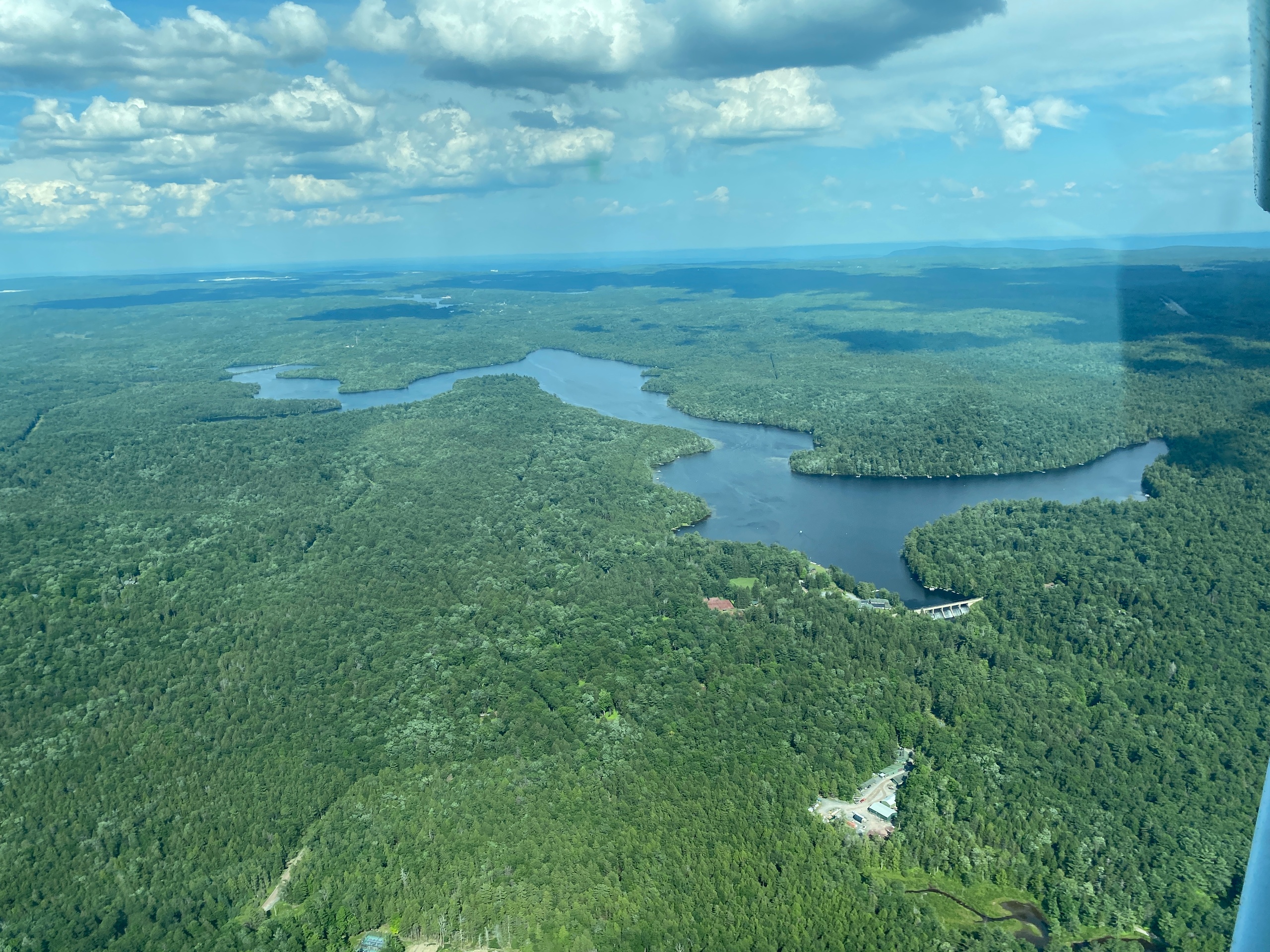
Why Lake Ariel Works for Air Activities
In lakeside light, the Poconos take on a measured tempo: early-morning glass, a thin mist clinging to shorelines, and ridgelines that are high enough to shape the wind but low enough to keep launches uncomplicated. Lake Ariel is a modest, purposefully quiet base for air activity because its terrain gives pilots and flyers a readable, forgiving landscape. Hot-air balloon operators favor the long, open fields and the reflective lake surface for gentle lift and dramatic photo opportunities; paragliders and paramotor pilots appreciate pockets of ridge lift where thermals reliably form on warm afternoons; and fixed-wing scenic flights—short, low loops over forests and water—are often scheduled for the golden hours when the landscape reads best from above.
From a traveler’s point of view, the appeal is both practical and visual. The region’s patchwork of water, farm fields, and forested hills creates a layered experience in the air: reflections and wind-slick water, the geometry of tree lines, and the human scale of small communities visible beneath. Because most air activities here operate from small grass strips, parks, or open fields rather than large commercial airports, departures involve a degree of local rhythm—early check-ins, a weather briefing at dawn, and short drives to launch points. That modest scale is a feature: there’s often room for last-minute adjustments when weather is marginal, and operators tend to be small teams that deliver attentive, hands-on service.
The seasonality is pronounced but manageable. Late spring through early fall presents the broadest window for flights—mornings that are cool and stable produce reliable balloon launches and calm scenic flights, while afternoons can bring thermals and gusts that favor paragliding sessions. Fall foliage lifts the visual stakes considerably; a sunrise balloon over the changing canopy makes for an image that feels unique to this part of northeastern Pennsylvania. Winter options shrink but don’t vanish—clear, calm days can host scenic fixed-wing flights or instruction sessions, though many operators scale back or pause until the weather stabilizes.
Practical planning matters: pilots watch not just general forecasts but lake-driven microclimates and wind shifts tied to ridgelines, and the best operators will adjust timing or swap activities (for example, offering a low-level scenic flight in place of a grounded balloon launch). For visitors, that means arriving with flexible plans and pairing the air activity with nearby ground-based options—paddling at midday, a hike along mixed hardwood slopes, or an afternoon at a local eatery—so the day remains rewarding even if the sky changes its mind. In short, Lake Ariel is not about extreme altitude or high-octane aerial stunts; it’s about a calm, scenic vantage that makes the region’s lakes, townscapes, and forested ribs feel immediate and intimate.
The geography is forgiving: low-to-moderate ridgelines, open fields, and a scattering of small lakes create launch and landing options close to each other.
Operators are typically small and locally run—expect personalized briefings, small-group flights, and a focus on safety and weather prudence.
Combine flights with lakeside activities: paddleboards, short hikes, and scenic drives make excellent complements when flights get delayed or rescheduled.