Top Fishing Adventures in Lake Park, Florida
Lake Park Fishing Guide

Top Fishing Adventures in Lake Park, Florida

Lake Park condenses South Florida’s coastal fishing DNA into a quietly effective playground: mangrove edges, calm lagoon flats, and easy access to the Intracoastal that threads toward offshore reefs. Whether you’re tossing a line from a public dock, poling through narrow canals, or booking a short nearshore run, the town’s rhythm is built around tides, light, and the salt-scented promise of a fight on the end of your rod.

Intracoastal WaterwayLake Worth LagoonPiers & Shorelines

Live destination inventory

Top Fishing Trips in Lake Park

48 trips · Book with confidence · Instant confirmation

The prototype intentionally does not invent replacement trip cards or add images that are not already part of the live source page.

The city from the water

Why Lake Park Is a Standout Fishing Destination

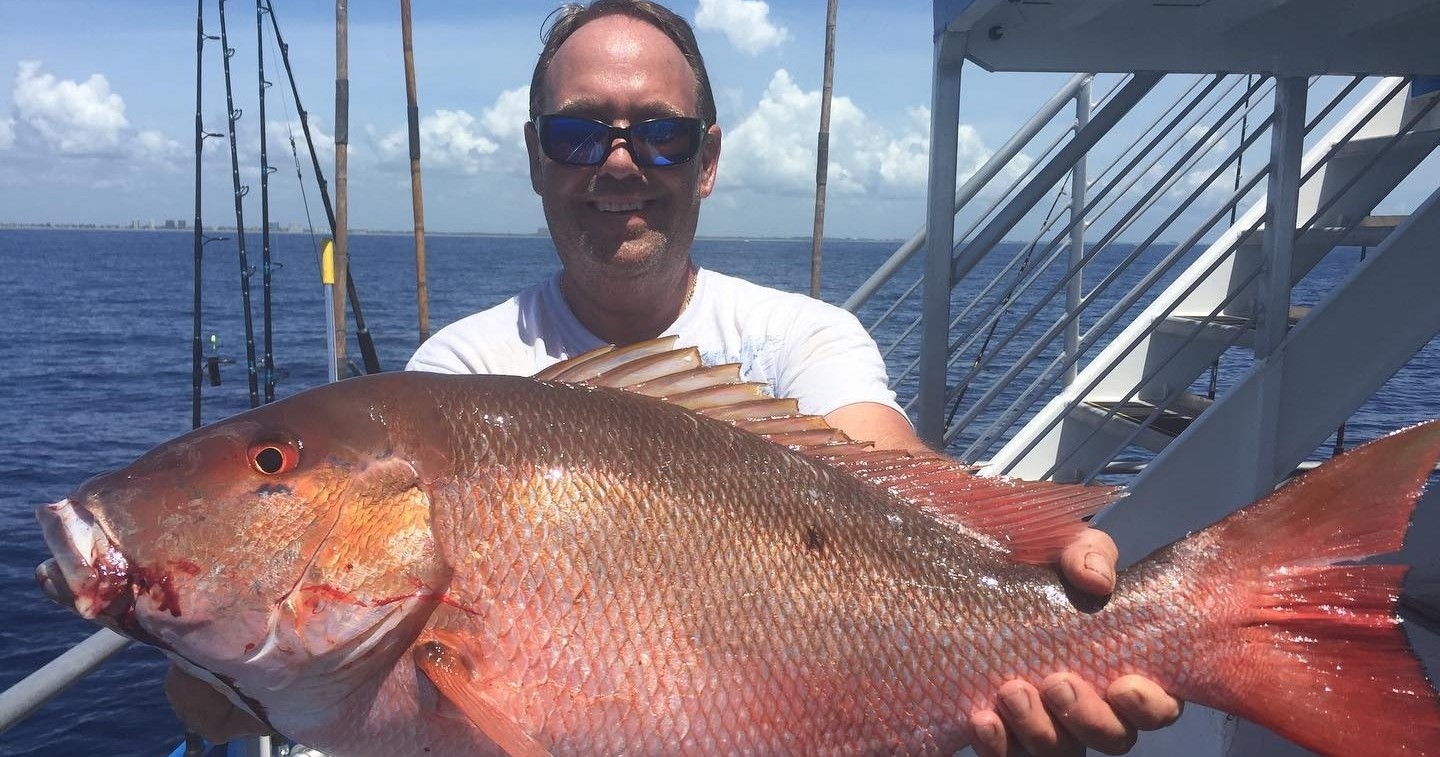
Lake Park feels small on a map and large in opportunity. Here, fishing is an exercise in variety: the slow channels and backwaters hold wary freshwater and estuarine species; mangrove-lined shorelines are ambush corridors for redfish and snook; and a short run out the Intracoastal leads to nearshore structure where snapper and grouper gather. The geography is intimate—every inlet, seawall, and public pier is a potential cast—and that intimacy makes Lake Park an excellent place for anglers who want to combine easy logistics with meaningful catches. This is a waterscape shaped by tides and human hands. Marshes and seagrass beds filter water and harbor bait; old pilings and artificial reefs stitch together habitat out toward deeper water. The town’s modest scale also means access is often just a short walk from parking, or a quick launch from municipal ramps—qualities that matter when you’re managing rods, coolers, and a tide chart. For traveling anglers, the practical upside is big: less time rigging, more time fishing. Culturally, Lake Park reflects a Floridian fishing tradition that’s part communal, part clinical. Locals watch the weather and tides like clockmakers; weekend mornings have a steady shuffle of trucks pulling small skiffs and kayaks, while weekday afternoons will reveal anglers poling flats for sight-casted shots. The area accommodates all approaches—shore, kayak, charter, and small-boat excursions—so complementing your trip with a short coastal paddle, a walk along the lagoon, or a guided half-day trip is easy. Environmentally, the stakes are clear: targeted harvesting, catch-and-release ethics, and awareness of seasonal closures matter. The habitats here are productive, but also delicate; anglers who bring a conservation mindset—using circle hooks for live bait, following size and bag limits, and practicing respectful handling—help keep Lake Park fishing-rich for the next visit. Practical planning is straightforward and forgiving. Many productive spots are accessible with minimal gear, making the town a smart weekend destination for mixed groups—families who want a shoreline afternoon and more committed anglers who can slip into a boat at first light. Understanding tides, wind, and basic local patterns will multiply your success: fish move with light and current, and knowing how to read a mudline or a plunging ridge can turn a slow morning into a memorable one. In short, Lake Park’s appeal is its marrying of convenience and nuance—an approachable place with real angling depth.

The town’s scale favors short trips: shore fishing at public piers and municipal parks pairs well with half-day boat charters or kayak excursions into the lagoon.

Mangroves and seagrass are primary habitats—learn to read edges, drop-offs, and current lines rather than searching for open water alone.

The harbor is the gateway, and the Pacific becomes the classroom.

Seasonal patterns influence species mix: cooler months often bring stronger nearshore action, while warm months favor inshore flats and backwater activity.

Local charters and bait shops are valuable knowledge sources—ask about current bite windows, effective rigs, and temporary advisories.
Activity focus

Choose by purpose

Whale watching, snorkeling, sunset sailing, cultural canoeing, harbor sightseeing, or private chartering.

Departure hubs

Start near the city

Waikiki and Honolulu Harbor are primary hubs, with some trips launching near Hanauma Bay.

Accessibility

Confirm the vessel

Gangways, shaded seating, and boarding requirements vary according to vessel size and operator.

Seasonal planning

Best Time to Visit

Lake Park is warm year-round, but wind, swell, migration, visibility, and demand change the best match between traveler and trip.

Lake Park boat tour
Year-round destination

Seasonal highlights change the reason to go

Winter favors humpback encounters; warmer, calmer months favor snorkeling visibility and smoother water.

Humpback season

Fall through spring typically bring the most consistent inshore and nearshore action and offer comfortable weather for early-morning trips.

Prime whale watching, winter holidays, higher demand, and earlier sell-outs.

Snorkeling window

October–November–December–January–February–March–April–May

Typically gentler seas and clearer water for snorkeling trips.

Weather notes

Trade winds year-round

Lake Park has a subtropical climate: warm, humid summers with frequent afternoon thunderstorms and a cooler, drier winter. Hurricane season runs June–November—plan accordingly and watch local advisories. Mild winter temperatures often produce comfortable mornings and steady inshore fishing.

Quieter opportunities

Late spring & summer weekdays

Summer can be productive for early-morning or night outings—tarpon and other warm-water species move into shallow summer habitats. Freshwater and canal fishing around dawn or dusk can still yield good results.

Match the trip to your comfort

Choose Your Experience Level

Low effort

Beginner

Simple, accessible options—shore casting from public piers, canals, and lagoon edges; minimal gear and easy learning curve.

  • Early-morning pier or seawall fishing
  • Bank casting along the lagoon and tidal creeks
  • Kayak nearshore paddle with soft-plastic lures
Active day trip

Intermediate

Boat-based inshore trips, flats poling, and targeted species fishing requiring more technique and gear variety.

  • Poling flats for sight-casted redfish and snook
  • Intracoastal light-tackle trips for trout and snapper
  • Half-day guided trip focused on structure and tides
Longer or technical

Advanced

Offshore or technical sight-fishing efforts that demand experience, advanced tackle, or vessel handling—often weather-dependent.

  • Nearshore structure and reef trips targeting larger snapper and grouper
  • Advanced sight-fishing in shallow, gin-clear flats
  • Custom multi-spot days combining offshore and inshore tactics

Prepare for sun, spray, and swell

What to Bring

Essential

Core kit

  • Appropriate fishing license (check Florida Fish and Wildlife for current rules)
  • Light- and medium-action rods with braided or monofilament lines
  • Pliers, forceps, and de-hooking tools
  • Sun protection: wide-brim hat, SPF sunscreen, polarized sunglasses
  • Water and a small cooler for catches or iced drinks
Recommended

Useful extras

  • Tide and depth app or chart; a phone with offline maps
  • Light rain shell and quick-dry clothing
  • Small first-aid kit and barbless or circle hooks for safer catch-and-release
  • Landing net suitable for the species targeted
Optional

Trip-specific

  • Flats skiff or kayak for poling shallow edges
  • Fish finder or portable depth sounder for nearshore structure
  • Camera or phone with waterproof case for photos
  • Compact tackle box organized by top baits and terminal tackle
Always verify access, local advisories, and regulations before you go.

Insider Tips & Local Knowledge

Reserve whale-watching and popular sunset cruises well ahead during December–April.
Choose morning snorkeling departures for calmer seas and better underwater visibility.
For motion sensitivity, choose a larger vessel, sit mid-ship, and take preventative medication before boarding.
Do not touch coral or wildlife, avoid standing on reefs, and use reef-safe sunscreen.
Community-based operators may add context about traditional navigation and stewardship.
Arrive early for parking and check-in because Waikiki departure areas can be busy.

Planning questions

Frequently Asked Questions

Yes—Anglers should check current Florida state regulations and licensing requirements through the Florida Fish and Wildlife Conservation Commission before fishing. License rules and exemptions can change, so verify online before your trip.
Top Fishing Adventures in Lake Park, Florida
Ready for your fishing adventure?

Browse 48 verified trips in Lake Park.

Compare current availability and book with instant confirmation.

Explore Lake Park fishing