Why Lakeland’s Water Scene Stands Out
Lakeland’s water identity is subtle rather than dramatic: there are no towering sea cliffs or ocean swells here, but rather a close-knit network of clear and tannic lakes, slow-moving creeks, and wetland mosaics that shape the town’s pace and personality. If you arrive expecting raw coastal grandeur you’ll be surprised — instead you find something more intimate: neighborhoods that slide into glassy lake edges, public parks where the city’s founding era plays out against mirrored water, and a string of paddleable pockets that feel personal the moment you push off from a modest boat ramp.
Those pockets add up. The Chain of Lakes — a series of connected lakes that thread through Lakeland’s heart — gives paddlers and small-boat users options for quick morning loops or full-day explorations. Lake Mirror and Lake Morton offer scenic downtown floats, where dancers of sunlight hit the water and swans share the shoreline with joggers and café patios. A short drive brings you to Saddle Creek Park, a favorite for wakeboarding and open-water practices, and to natural edges like Circle B Bar Reserve, where marsh fringes and blackwater sloughs become classrooms for birders and kayaking anglers. The mix is practical: easy access for families and first-timers, yet enough open water and hidden coves to satisfy anglers, SUP enthusiasts, and photographers chasing low, cinematic light.
Beyond recreation, Lakeland’s water areas tell a local environmental story. These lakes are living systems shaped by karst geology, seasonal rainfall, and human land use; aquatic plants, littoral habitat, and the presence of wading birds and turtles all indicate the health and rhythm of the place. That means visitors will encounter variability — clearer stretches, tannic bays, and occasional algal blooms — and that awareness is part of responsible enjoying. Many of the best urban water experiences are paired with protected lands and birding areas; you can paddle a quiet creek and be on a boardwalk minutes later, watching migratory songbirds and sandhill cranes.
Practically, Lakeland’s water activities are accessible. Rentals and guided outings cluster around the most popular lakes, making a spontaneous paddle or fishing trip easy for visitors without their own gear. Seasonal weather shapes the plan: late fall through spring brings cooler, drier days with stable water conditions, while summer demands an eye on afternoon storms, heat, and sometimes higher-than-usual algal activity. Whether you’re chasing a personal best bass, learning to SUP on a glass-flat morning, or simply orbiting the downtown lakes for sunset, Lakeland’s waters invite slow exploration with a local, lived-in charm.
The Chain of Lakes provides an urban-to-wild waterway network: quick downtown loops are as satisfying as half-day explorations that lead to quieter shorelines.
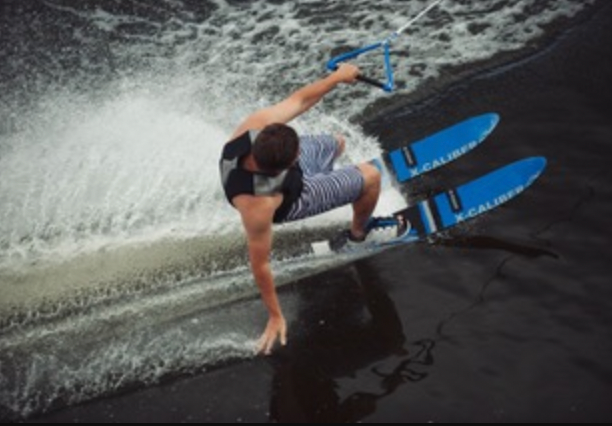
Saddle Creek Park is the primary wake- and tow-sport hub in the area, with space for board sports and open-water practice.
Circle B Bar Reserve and nearby reserves turn a day on the water into a combined birding and paddling outing—great for photographers and nature-first travelers.
Fishing is central to the water culture: bass tournaments and local guides make Lakeland a solid freshwater angling stop.
Local outfitters and park systems make rentals and guided experiences accessible for travelers without boats or boards.