Why Leadville Is a Standout Hiking Destination
At more than ten thousand feet above sea level, Leadville feels less like a town and more like a threshold: every path leads up into a thinner world where geological time is visible in cirques and ridgelines. Hikers choose Leadville for its raw, high‑alpine character—big skies, jagged summits, and lakes that reflect talus slopes like glass. The town’s identity is braided into the landscape; old mining roads and rail grades have been repurposed as trails, so every walk is also a small lesson in human history and the industry that once pushed people into this unforgiving altitude.
What distinguishes hiking in Leadville is the altitude-first reality. Trails begin already high, so a short hike in town can feel more demanding than a longer walk at lower elevation. That immediacy is part of the appeal: you can step from a historic street into subalpine forest or be on exposed tundra within minutes of leaving your car. For many visitors, Leadville is the staging ground for Colorado’s great ridge walks and fourteeners—approach routes that climb into the Sawatch Range and connect to classic summits. For others it is the discovery of quiet lakeshores, river corridors, and easy loops that reveal wildflowers in summer and crystalline clarity in shoulder seasons.
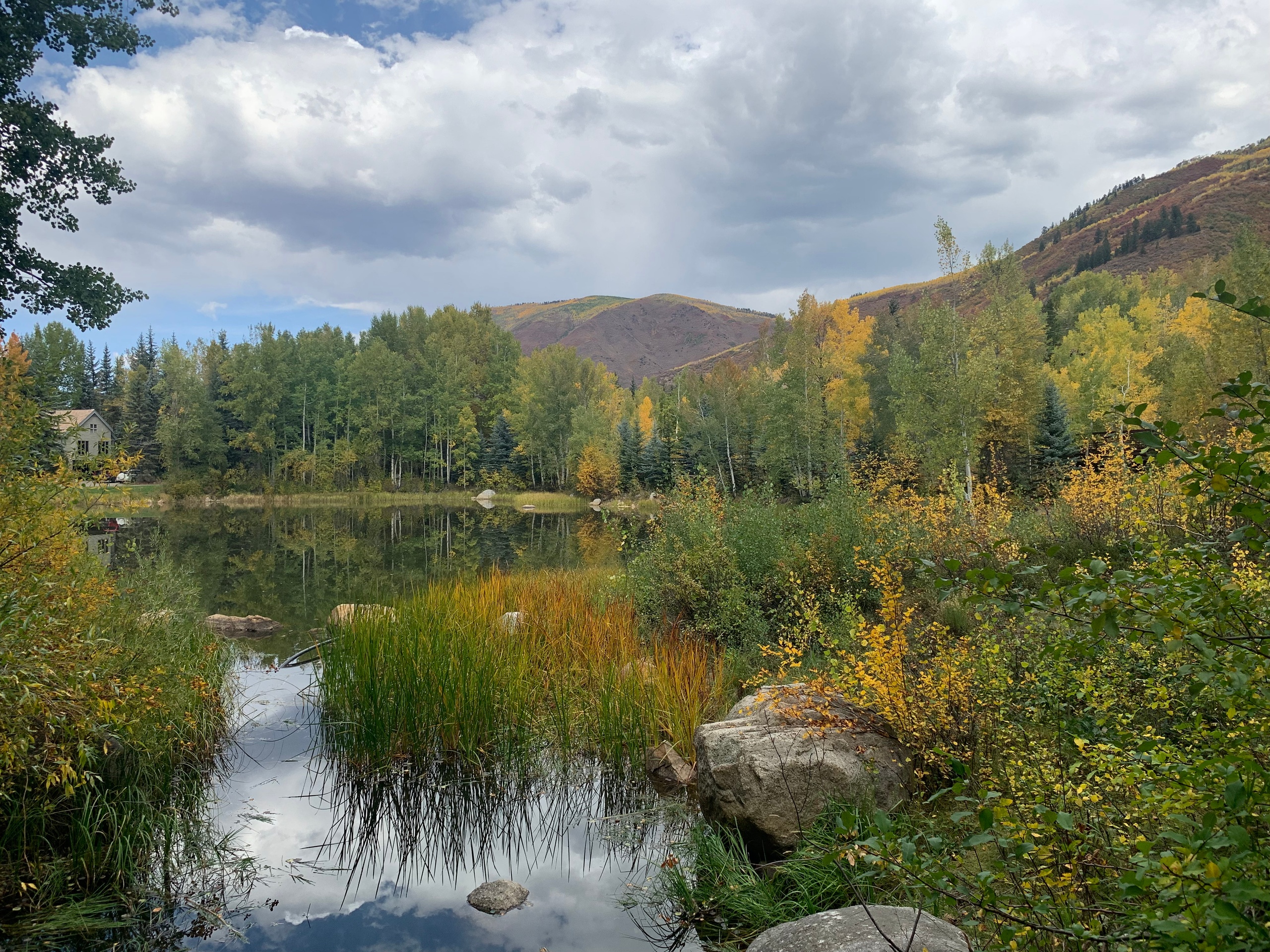
Seasonality reshapes the experience. Late spring brings patchy snow and swollen streams, early summer delivers wildflower meadows and reliable trail conditions at moderate elevations, and mid-summer offers long days but also a predictable pattern of afternoon thunderstorms—timing matters here. By September the high country begins to cool and the aspens and willows along lower drainage turn gold, offering compact, spectacular fall outings without the crowds of lower-elevation destinations. Winter turns much of the high trail network into a snowscape best approached on skis or snowshoes, but accessible routes around town and frozen lakes provide a different kind of quiet.
Leadville’s trails are versatile: family-friendly lakeside loops and the paved, interpretive Mineral Belt Trail sit beside multi-day ridge routes and steep ascents that demand planning and respect for weather. Because of the altitude, logistical details—acclimatization, conservative pacing, hydration, and awareness of afternoon storms—are more important here than at sea level. The payoff is a dramatic one: summit panoramas that sweep across the Elk and Sawatch ranges, alpine wetlands full of birdlife, and a sense of being in a place where the mountains set the terms. Whether you’re chasing a sunrise from a saddle, fishing a high lake after a hike, or using Leadville as a base for classic Colorado summits, the hiking here rewards planning with high, uncompromising beauty.
Leadville combines accessible trail options—paved loops, lakeside strolls—with direct routes into high alpine terrain, making it ideal for travelers who want a balance of ease and high-mountain challenge.
Because trails start at elevation, even shorter hikes require attention to pacing and hydration. Hikers who acclimate for a day and avoid mid‑afternoon storms will have safer, more enjoyable outings.