Why Leadville Works for Water Travelers
Water in Leadville arrives from altitude and history. The lakes and reservoirs that define the area are as much artifacts of mining-era engineering and modern water management as they are playgrounds: Turquoise Lake sits in a glacially carved basin rimmed by aspens and spruce; Twin Lakes collects snowmelt and sunlight before sending water south; dozens of small alpine tarns hold the last clear cold of thaw.
That context matters for travelers because it shapes the experience. Expect crystalline water that bites at unprotected skin, winds that can kick up in minutes across open basins, and a season that is compressed by elevation—what feels like mid-summer at 6,000 feet is a late spring morning here. But those constraints are part of the appeal: mornings are still and mirror-flat; afternoons often bring dramatic cloud build-up and the scent of spruce and wet granite; evenings can settle into long, cold clarity ideal for stargazing from a boat or frozen-surface solitude in winter.
Leadville is also unusually concentrated. In a short drive you can switch from a flatwater paddle on Turquoise Lake to guided fly-fishing on the upper Arkansas River or day-trip to Twin Lakes for a motorboat cruise and lakeside picnic. That makes the town useful for mixed itineraries—couple an early morning SUP session with a mid-day mountain bike ride, or follow a half-day packraft mission to a remote alpine tarn with a late-afternoon beer at a lakeside bar. Guides and outfitters in town specialize in high-elevation safety: they teach how to layer for cold water, how to read quick-changing weather, and how to modify stroke cadence when the air itself makes lungs work harder.
Environmental stewardship threads through good water travel here. Alpine systems are fragile: repeated launches, motorized wakes, and poorly cleaned gear can spread invasive species and stress fish populations. Anglers should check Colorado Parks & Wildlife regulations and anglers’ best practices; boaters should follow the clean-dry-disinfect routine. Respect for private shoreline, seasonal closures, and water-level variability (driven by reservoir management) leads to better access for everyone.
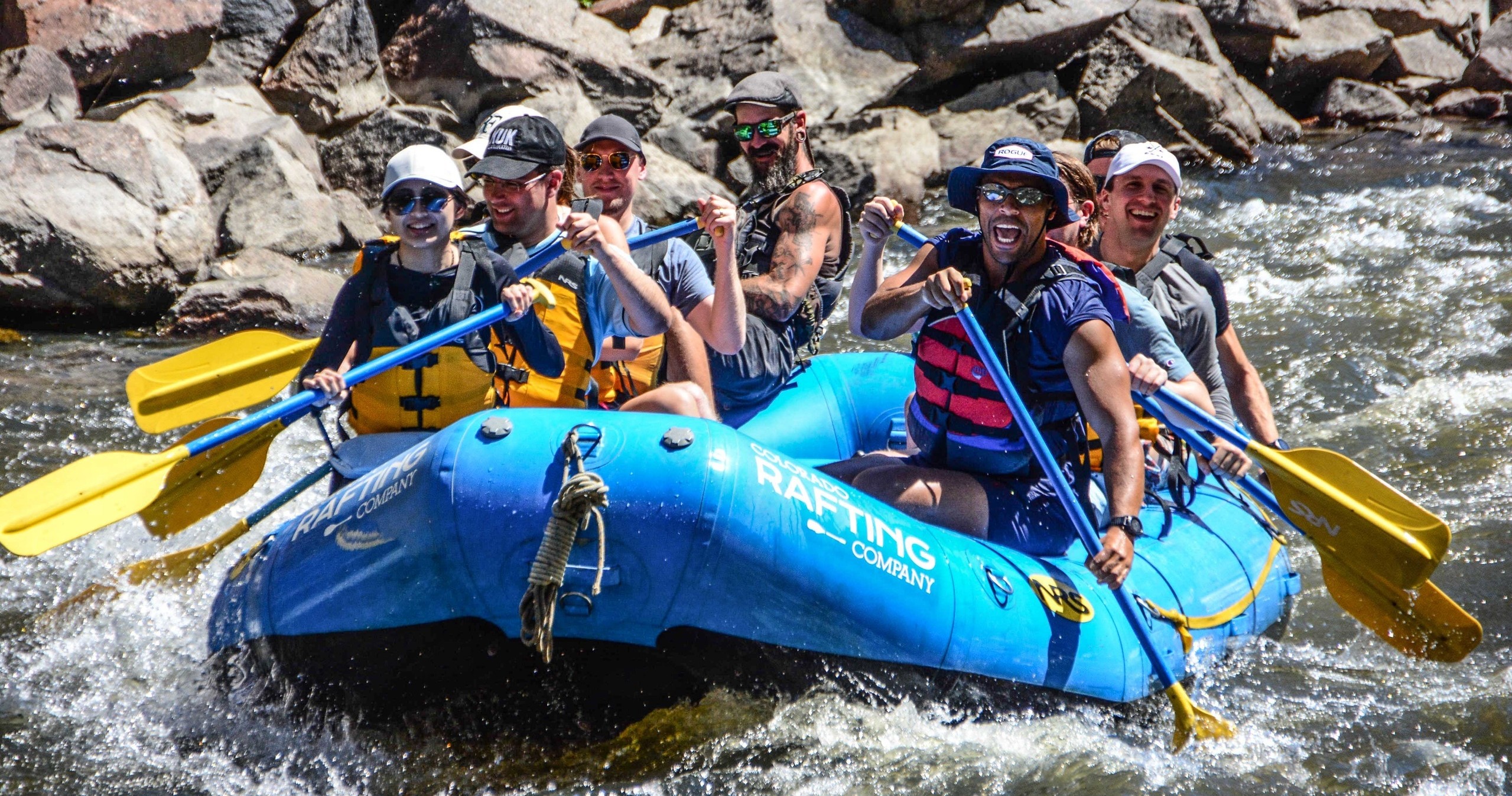
For adventurers the payoff is specific: high-elevation clarity, wildlife in surprising density (ptarmigan and mule deer at lakeshores, osprey in summer), and a chance to experience water that still feels like it's near the source. Whether you come for a calm paddle at sunrise, to test your mettle on technical whitewater downstream, or to sit quietly and fish a glassy flat, Leadville compresses big-mountain water experiences into an accessible, scenic loop that rewards thoughtful planning and a spare, windproof jacket.
Leadville’s water activities center on a handful of accessible sites—Turquoise Lake and Twin Lakes dominate the list—while dozens of higher alpine ponds require hiking or packrafting to reach.
Altitude affects everything: boat acceleration, exertion, and the amount of sun protection you need. Plan for slower paces and extra hydration.
Because the season is short, weekends in July and August are busy. Weekdays and shoulder months (June, September) offer quieter conditions and clearer water.