Fishing in Lisboa, Portugal — Estuary, Shore, and Offshore
Lisboa Fishing Guide

Fishing in Lisboa, Portugal — Estuary, Shore, and Offshore

Lisbon’s fishing scene is a study in contrast: centuries-old riverside lines cast from granite quays, families grilling sardines on summer nights, and offshore charters running into deep Atlantic blue. Fish here aren’t just targets; they’re part of everyday life—seasonal rhythms that shape markets, festivals, and the city’s plate. Whether you prefer the slow, meditative patience of estuary light-tackle or the charged, sunlit sprint of a bluefin chase beyond the shelf, Lisboa offers accessible urban access, short drives to quieter coves, and a strong guide-and-boat network to tailor trips for all skill levels.

Tagus River EstuaryBelém & Alcântara PiersCosta da Caparica BeachesEstoril Coast & CascaisOffshore Atlantic (charter access)

Live destination inventory

Top Fishing Trips in Lisboa

33 trips · Book with confidence · Instant confirmation

The prototype intentionally does not invent replacement trip cards or add images that are not already part of the live source page.

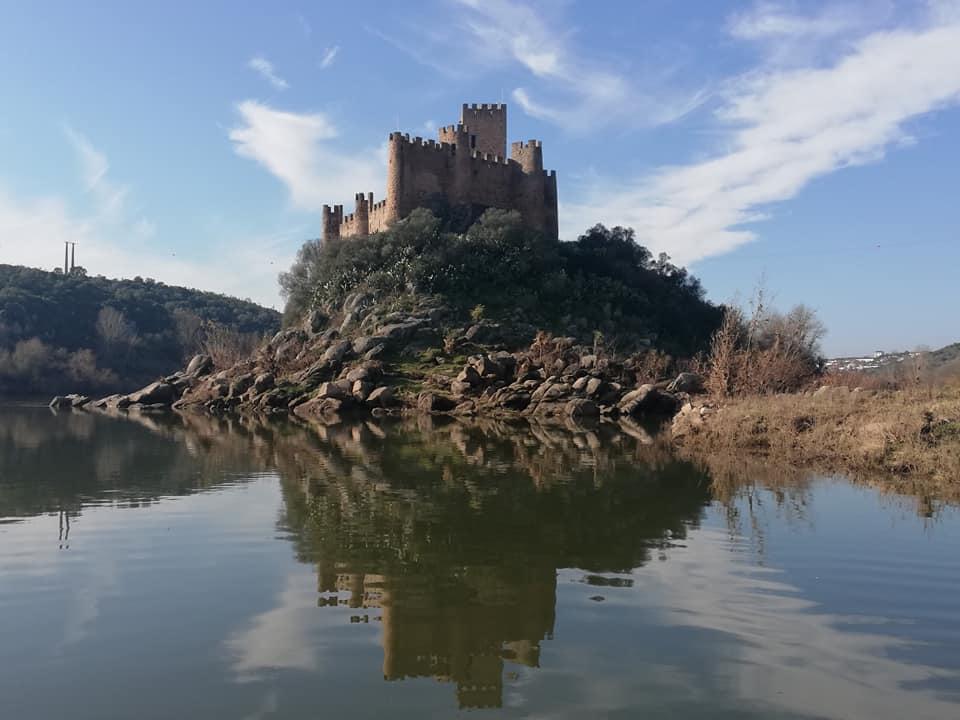
The city from the water

Why Lisboa Is a Standout Fishing Destination

Lisbon sits where river meets sea, and that meeting creates some of the most varied and immediate fishing opportunities in Western Europe. The Tagus estuary widens as it reaches the Atlantic, creating a mosaic of flats, channels, and tidal edges that concentrate fish and attract anglers right from the city’s quays. Walkable piers in Belém and Alcântara host locals and visitors with handlines at dusk, while just beyond the breakwater the coastline opens to gull-swept rocks and sandy beaches that hold species like seabass, bream, and seasonal shoals of sardines and mackerel. Offshore, the continental shelf is close enough for half-day charters to access mixed-stock pelagic runs and, in season, tuna and larger game. What makes Lisboa especially compelling is its accessibility and cultural depth. You don’t have to travel far to move from an urban bank cast among tramlines to a quiet headland where the Atlantic’s swell erodes cliffs into hidden pockets. Historic fish markets—Mercado da Ribeira and others—give immediate feedback on what’s biting: the day’s catch becomes dinner in an hour. That continuity between line, market, and kitchen is part of the appeal. Anglers can pair a morning of estuary sight-fishing with an afternoon spent sampling local causes and dishes, turning a day of fishing into a full-sensory exploration of the city’s maritime identity. Seasonal shifts are pronounced but friendly: spring brings warming waters and the arrival of seabass and bream to shallows; summer is prime for light-tackle shore fishing and sardine runs that frame Lisbon’s festival season; autumn pulses with migrating pelagics and explosive mackerel shoals; winter, while cooler, offers quiet banks and the chance for big, opportunistic catches offshore. The logistical ease—good infrastructure, plentiful charters, and a range of shore spots reachable by public transit or a short drive—makes Lisbon an attractive base for anglers of many backgrounds. Finally, Lisbon’s fishing culture is both traditional and adaptive. You’ll find elders on the riverside with well-worn gear and guides offering the latest tackle rigs. Language is rarely a barrier in charter operations, and the city’s hospitality extends to fishers: fresh bait, boat berths, and after-trip fish prep are part of the service economy. This combination of urban access, diverse habitats, seasonal variety, and culinary payoff is why Lisbon ranks as a must-visit for anglers seeking both practical fishing and a memorable travel experience.

Estuary fishing is the core: flat tide edges, channel mouths, and shallow bars create concentrated feeding zones that are ideal for sight fishing and light-tackle work.

Shore and pier fishing offer low-barrier entry—minimal gear, public access, and immediate rewards—while charters quickly expand the playground to reefs, wrecks, and pelagic lines beyond the shelf.
Activity focus

Choose by purpose

Whale watching, snorkeling, sunset sailing, cultural canoeing, harbor sightseeing, or private chartering.

Departure hubs

Start near the city

Waikiki and Honolulu Harbor are primary hubs, with some trips launching near Hanauma Bay.

Accessibility

Confirm the vessel

Gangways, shaded seating, and boarding requirements vary according to vessel size and operator.

Seasonal planning

Best Time to Visit

Lisboa is warm year-round, but wind, swell, migration, visibility, and demand change the best match between traveler and trip.

Lisboa boat tour
Year-round destination

Seasonal highlights change the reason to go

Winter favors humpback encounters; warmer, calmer months favor snorkeling visibility and smoother water.

Humpback season

Summer festival months (June–August) see high visitor numbers and abundant shore fishing activity.

Prime whale watching, winter holidays, higher demand, and earlier sell-outs.

Snorkeling window

May–June–September–October

Typically gentler seas and clearer water for snorkeling trips.

Weather notes

Trade winds year-round

Spring and early summer bring warming seas and stable weather for shore and estuary fishing; late summer and early autumn often produce strong pelagic runs. Coastal mornings can be calm with afternoon sea breezes. Winter months are cooler and wetter, with quieter fishing and fewer charter options.

Quieter opportunities

Late spring & summer weekdays

Winter offers solitude on popular piers and the chance for different-target species; charter availability may be reduced, so plan in advance.

Match the trip to your comfort

Choose Your Experience Level

Low effort

Beginner

Easy-access shore and pier spots with simple gear and low physical demand—ideal for families and newcomers.

  • Evening pier fishing in Belém
  • Beach surfcasting on Costa da Caparica
  • Estuary light-tackle session near central quays
Active day trip

Intermediate

Tidal edge sight-fishing, guided estuary tours, and nearshore boat trips requiring some familiarity with tackle and tide charts.

  • Guided estuary flats trip for seabass and bream
  • Half-day nearshore reef fishing out of Cascais
  • Night surfcasting for bass and mullet
Longer or technical

Advanced

Offshore charters targeting pelagics, wreck and deep-reef fishing, or self-supported expeditions requiring boat-handling skills and advanced tackle.

  • Full-day offshore tuna or large pelagic charter
  • Wreck/reef technical jigging
  • Multi-rod boat tactics for mixed-species offshore runs

Prepare for sun, spray, and swell

What to Bring

Essential

Core kit

  • Rod and reel suited to shore or boat fishing (light to medium-action for estuary; medium-heavy for offshore)
  • Appropriate terminal tackle (hooks, leaders, sinkers, swivels) and a small selection of lures—soft plastics, spoons, and surface poppers
  • Pliers, line clippers, and a landing net or gripper
  • Weather-appropriate layers, sun protection, and non-slip shoes for wet rocks and boat decks
  • Local ID and any required permits or licenses (verify regulations before fishing)
Recommended

Useful extras

  • Portable cooler or insulated bag for storing catches
  • Bait storage (ice box) or pre-arranged fresh bait from local suppliers
  • Tide charts or a trusted app and a compact fish-finder if going offshore
  • Light rain shell and windbreaker—coastal weather can change quickly
Optional

Trip-specific

  • Wading sandals or neoprene socks for rock-hopping and beach entries
  • Camera or small action cam for documenting catches and coastal scenery
  • Basic first-aid kit and seasickness remedies for sensitive travelers
Confirm regulations, weather, and tide info before heading out. Local guides and shops are excellent sources for up-to-date conditions and permits.

Local Tips & Practical Know-How

Reserve whale-watching and popular sunset cruises well ahead during December–April.
Choose morning snorkeling departures for calmer seas and better underwater visibility.
For motion sensitivity, choose a larger vessel, sit mid-ship, and take preventative medication before boarding.
Do not touch coral or wildlife, avoid standing on reefs, and use reef-safe sunscreen.
Community-based operators may add context about traditional navigation and stewardship.
Arrive early for parking and check-in because Waikiki departure areas can be busy.

Planning questions

Frequently Asked Questions

License requirements vary by method and location. Recreational anglers should verify local regulations—some shore and estuary fishing is permitted without a license, while others (and certain species or boat-based fishing) may require permits. Ask your charter operator or local tackle shop to confirm current rules.
Fishing in Lisboa, Portugal — Estuary, Shore, and Offshore
Ready for your fishing adventure?

Browse 33 verified trips in Lisboa.

Compare current availability and book with instant confirmation.

Explore Lisboa fishing