Why Lisbon Is a Standout Sailing Destination
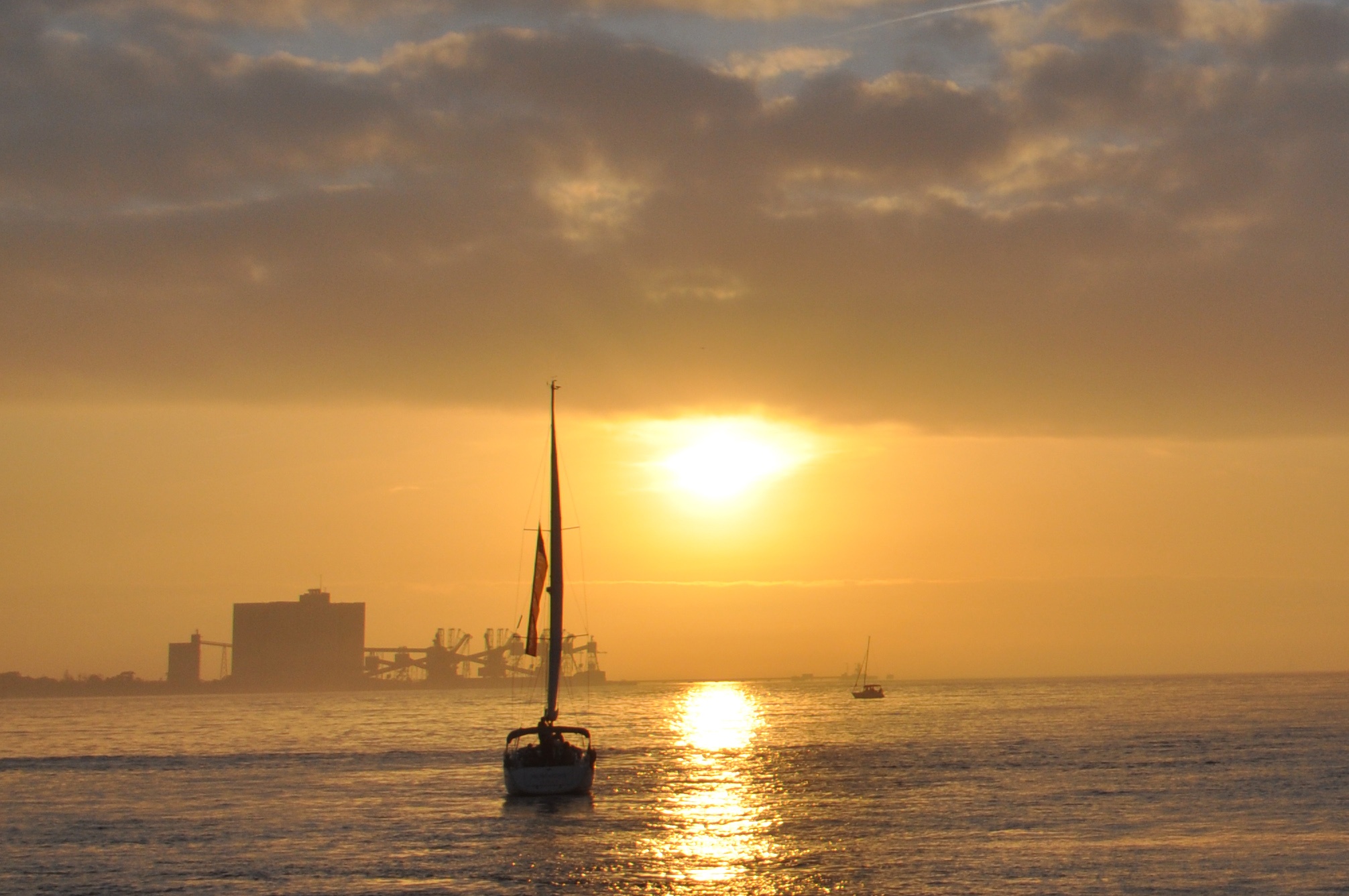
Lisbon is a city built around water, and the Tagus—wide, tidal, and historically vital—gives sailors a uniquely layered playground. You can launch from a dock a ten-minute taxi from the historic core and, within an hour, be skimming past cliffs and surf where the river meets the Atlantic. That proximity is the appeal: short transit to meaningful sailing. Mornings on the estuary are often glassy, framed by bridges and old warehouses, and offer forgiving conditions for learners and photographers. As the sun climbs, the local thermal pattern—an onshore northerly breeze familiar to Portuguese sailors—often fills in, creating lively afternoon reaches along the coast that reward good sail trim and seamanship. The mix of sheltered water for instruction and exposed coastal stretches for progression is rare in a capital city.
Beyond the winds and water, Lisbon’s maritime pedigree matters. Centuries of seafaring, shipbuilding and exploration are woven into the city’s neighborhoods, docks and museums. This cultural context makes sailing here feel like continuing a story rather than a detached sport. Day-sail operators, yacht clubs and small marinas stack practical knowledge on top of that history—local skippers know how tides funnel through the river mouth, where the afternoon nortada strengthens, which coves hold glassy water for anchoring, and where to find the best seafood on the quay after you return. Coastal destinations like Cascais and the protected bays of Arrábida and Setúbal offer contrasting experiences: lively resort harbors with shops and beaches, and quieter natural harbors guarded by limestone cliffs respectively. This geographical variety means a single trip can include serene estuary practice, an energetic coastal beat, and a sheltered overnight to a seaside town.
Practical accessibility is also a factor. Lisbon’s marinas, docklands and tour operators are concentrated and well-connected to the city. For travelers, this means minimal fuss getting on and off the water—no long drives to find a launch point. For instructors and charter companies, it means a constant flow of demand and a broad supply of boats: RIBs and sailing dinghies for quick outings, performance dayboats and cruising yachts for longer coastal work, and skippered catamarans for social sails and sunset cruises. That range makes Lisbon friendly to families and first-timers while staying honest enough for seasoned sailors who want a coastal passage, a training session on tidal work, or a competitive day race if timing aligns. In short, Lisbon’s blend of convenient infrastructure, historically rich port culture, and a sea-state that graduates from calm to invigorating within a single day makes it a compelling base for sailors of every stripe.
The Tagus Estuary is ideal for early lessons and calm practice sails; the river’s width dampens swell and gives room to learn boat handling with city views as a backdrop.
The coastal stretch from Cascais to Sesimbra and the Arrábida coast delivers exposed Atlantic conditions, scenic cliffs, and protected anchorages—perfect for day hops or overnight passages.