Why Little Torch Key Is a Unique Eco-Tour Destination
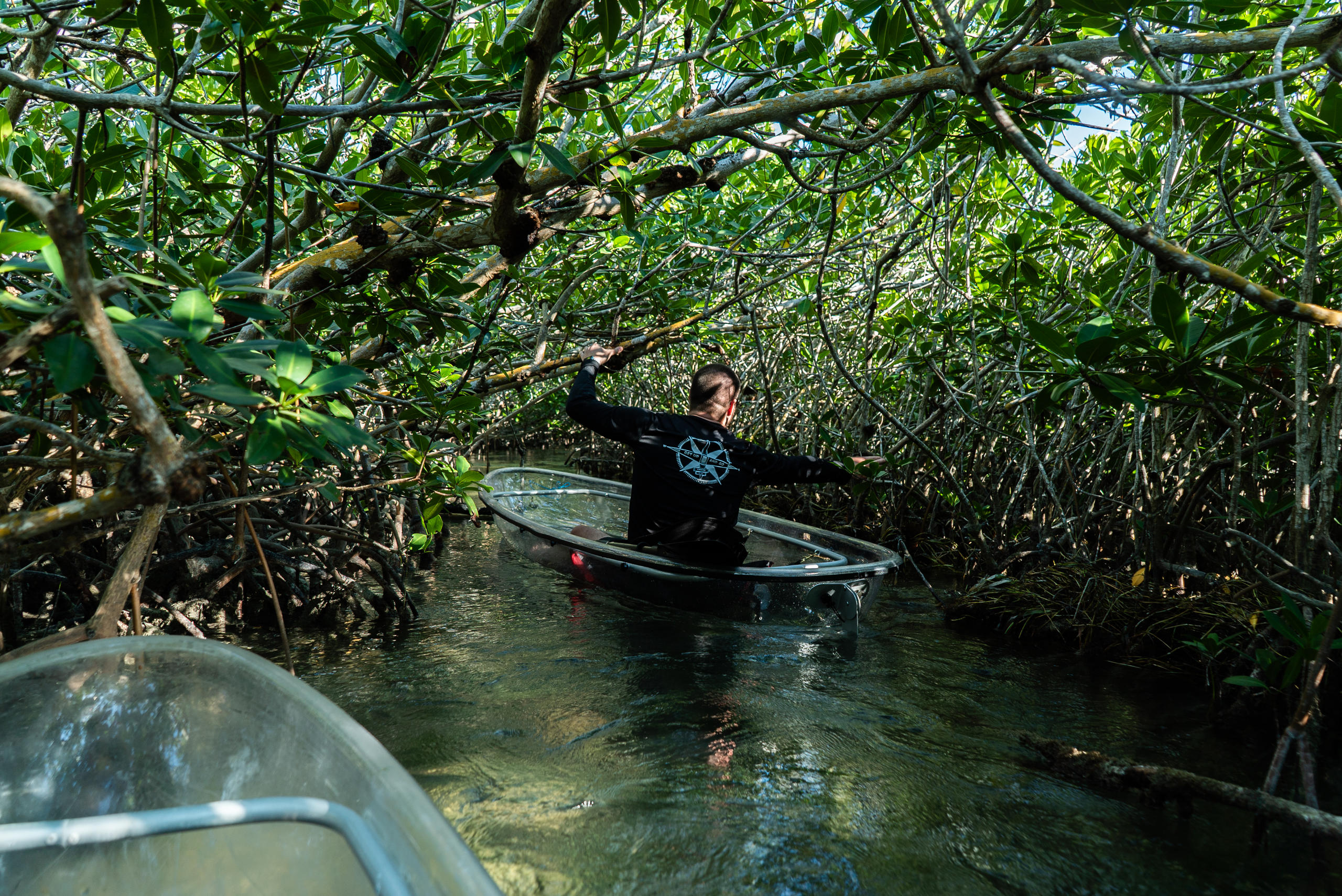
Small in scale but vast in ecological interconnection, Little Torch Key reads like an atlas of subtropical shorelines. Eco tours here are intimate: instead of sweeping vistas you slip into narrow mangrove tunnels, float above seagrass meadows, and peer down into neon-flecked reef gardens. The experience is tactile — salt on your lips, the soft creak of a kayak hull, the click of a guide’s camera as a juvenile fish darts past — and it rewards slow, patient attention.
The Lower Keys sit at the meeting line of tropical and temperate influences, producing a mosaic of habitats: mangrove stands that buffer storms and serve as nursery grounds, broad shallow flats where bonefish and stingrays quarter the sand, and coral formations just beyond the reef crest that still harbor spectacular biodiversity. Eco tours in Little Torch Key frame these systems as stories: how the mangroves filter water and trap sediment, how seagrasses store carbon and feed a food web, and how reef health reflects both global pressures and local stewardship. Guides here are often naturalists by training and fishermen by lineage; their narratives braid natural history with human history—Bahamians, Cuban immigrants, and Florida settlers who shaped the Keys’ maritime culture.
Practically, Little Torch Key’s scale makes it an ideal classroom. Short boat hops put you at the edge of protected flats where shallow-water snorkeling is possible for beginners; paddle tours thread mangrove islands that feel like a secret network; birding walks and dusk tours reveal seabird and wading-bird rhythms that larger islands sometimes lose to development. For travelers, that means a high return on a half-day investment—a morning kayak can yield fish, birds, and a close look at juvenile reef critters.
But eco tours here are also tempered by responsibility. The Keys are fragile: corals bleached by heat, seagrass beds stressed by boat wake and runoff, and mangrove margins squeezed by shoreline hardening. Responsible outfitters operate under low-impact principles—limited group sizes, reef-safe sunscreen policies, and volunteer or educational components that aim to give back. Choosing the right tour is as much about what you learn as what you see; the best tours leave no trace, leave you smarter, and leave things better than you found them.
Tours focus on small-group formats and specialty itineraries—morning snorkels to avoid afternoon surge, evening mangrove paddles timed for wading birds, and citizen-science trips that collect water-quality or reef-health data.
Expect frequent opportunities to combine activities: a guided paddle that ends with a shallow-reef snorkel, or a birding walk that includes a talk on local conservation efforts and how visitors can help.
Weather and water conditions shape the day. Calm days open the full menu of experiences; wind and swell reshape itineraries toward more sheltered backcountry paddles and mangrove-focused trips.