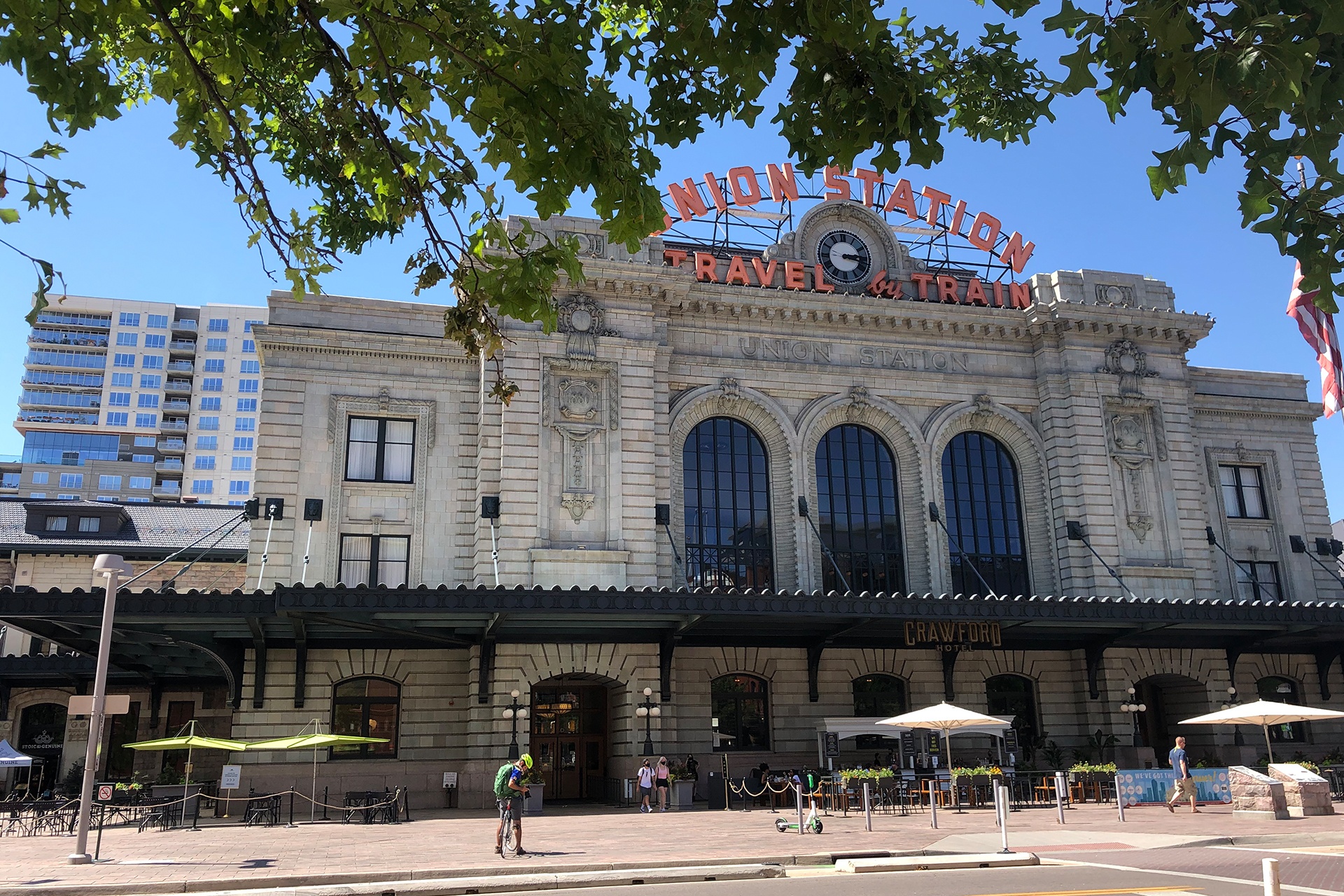
Why Trains Matter in Littleton
There is a particular kind of ease to travel by rail that suits the front-ranged life around Littleton. The clack of wheels on rails becomes a metronome for the day—commuters reading the morning light, travelers watching cottonwood-lined river corridors slip by, families leaning out of windows to spot a hawk or a waterfowl along the South Platte. Trains here perform a dual function: they are practical arteries connecting neighborhoods to downtown Denver and the broader metro area, and they are a doorway into Colorado's industrial past and scenic present. Take a short ride and you can feel the city’s edge loosen: warehouses give way to low hills, then to cottonwoods and scrub, and in better weather a distant blue shoulder of the Rockies appears. That shift—urban to rural, rapid to unhurried—is the travel story Littleton’s rail experiences tell.
The region’s rail footprint is layered. Active commuter and light-rail corridors thread through suburbs and link to Denver’s transportation hub; freight lines attest to a century of resource movement; and nearby heritage railways and museums preserve the romance and mechanics of steam and diesel eras. For travelers, that range is an advantage: within a short drive you can snap a commuter train into a schedule for a practical downtown visit, or plan a day that pairs a museum visit with a heritage ride and a walk along a converted rail-trail. Scenes change quickly in Colorado, and trains let you watch the landscape’s small theatrical changes—sunlight sliding along river bends, sudden stands of cottonwoods, and the bristled silhouette of the foothills.
Beyond scenery, trains are a passport to complementary outdoor experiences. Station stops and park-and-ride lots put hikers, trail runners, and bikers within reach of trailheads without fussing with alpine roads. Rail-adjacent greenways follow rivers and former corridors, turning transit infrastructure into places for short rambles and long afternoon rides. Cultural layers matter, too: Littleton’s downtown and nearby towns host small museums, historic districts, and breweries often within walking distance of transit. For the adventurous, that makes train-based itineraries oddly efficient—less time hunting for parking, more time outside. Finally, seasonality overlays the experience. Summer and fall offer long light and color; winter compresses days and adds frost and steam to the visual palette of platforms and viaducts. Planning is simple but necessary: check schedules, allow for weather, and consider reservations for special scenic or historic excursions. This guide focuses on the experience itself—how trains shape days, open routes to the mountains, and invite travelers to move thoughtfully through Littleton’s patchwork of urban edge and open country.
The practical: trains provide a low-stress way to access downtown Denver and to stage day trips toward mountain railways—ideal for people who want to pair culture, dining, or a trailhead without driving into congested centers.
The experiential: whether a light-rail commute or a heritage steam outing nearby, trains compress narrative—the passing river, the creosote smells after rain, and the small-town stations—into a single travel arc that is at once efficient and poetic.