Why Longs Is a Standout Kayaking Destination
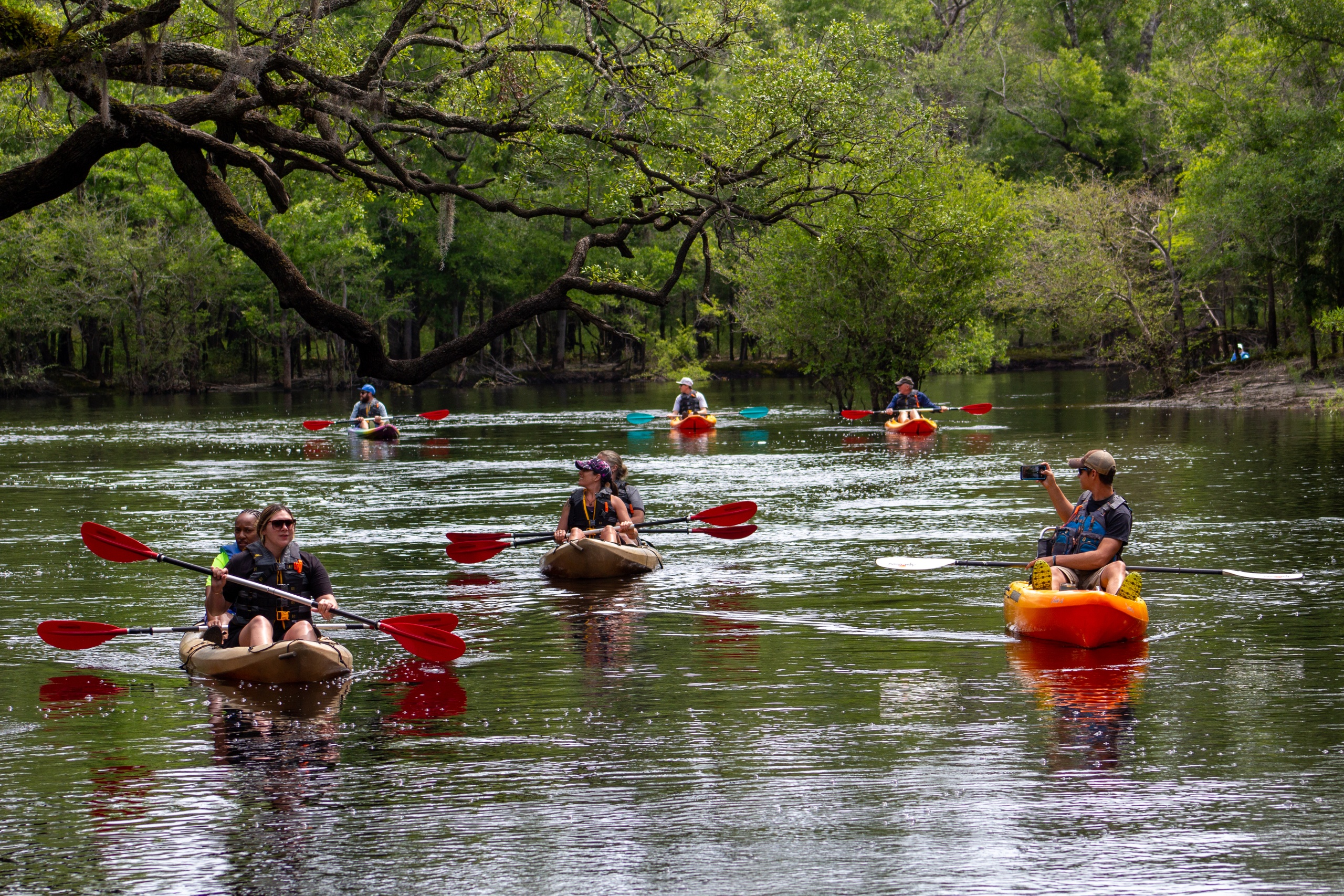
You don't need to travel to a headline coastal city to find memorable paddling in South Carolina—Longs offers a modest, authentic lowcountry experience that feels less commercial and more elemental. Kayaking here is defined not by big surf or alpine panoramas but by narrow waterways that move slowly through live oaks draped in Spanish moss and marshes that breathe with tidal rhythms. Early in the day the water is a mirror; the marsh flats are a living mosaic of grasses, fiddler crabs, and oyster beds. As the tide shifts, channels appear and close, revealing new passages and silent eddies.
The area around Longs sits between the bustle of the Grand Strand and the quieter reaches of the Waccamaw River system. That placement makes it ideal for a range of paddling styles: short, placid loops that introduce newcomers to flatwater kayaking; multi-hour explorations that weave through backwater sloughs and salt marshes; and longer coastal runs that link to the Intracoastal Waterway for those who want to extend their day. Wildlife is a constant companion—shorebirds quarter the mudflats, ospreys patrol the channels, and if you’re patient you might spot a river otter or the flash of a bald eagle’s wings.
Cultural undercurrents are part of the trip. The lowcountry's maritime history—shipbuilding, oystering, and the small-scale agriculture of riverine communities—still colors the shoreline. Paddlers pass forgotten piers, small working docks, and neighborhoods that keep a distinctly coastal rhythm. Sensible paddling here means reading tides, understanding wind funnels along the Intracoastal, and respecting habitats sensitive to trampling and noise. For planners, Longs offers entréeways to protected areas like the Waccamaw National Wildlife Refuge, where guided outings are often the best way to learn the ecology and to minimize impact.
For travelers, the attraction is straightforward: accessible access points, a range of route lengths, and scenery that changes by the hour. Dawn and dusk are especially rewarding—soft light and cooler air, with the added bonus of lighter winds. Summer afternoons can bring breezes that make channels choppy and raise the challenge level slightly, while shoulder seasons lengthen daylight and temper the bugs. If you approach Longs with curiosity and basic tide-and-weather sense, the kayaking rewards are immediate: quiet channels, thoughtful wildlife encounters, and a tangible sense of place that lingers after the paddle is over.
The geomorphology of the lowcountry—its tidal creeks, blackwater rivers, and salt marshes—shapes the paddling experience more than distance or elevation. Routes can feel varied without being technically demanding, which is perfect for mixed-ability groups.
Because many routes are tide-dependent, timing a launch for mid- to high-tide often yields the most pleasant, navigable conditions and the fullest diversity of wildlife close to shore.
The proximity to the Grand Strand means paddlers can pair a quiet morning on a marsh route with an afternoon on a wider waterway or a sunset beach stroll—mixing solitude with coastal conveniences.